
Best Tow-Behind Attachments for Lawn & Garden Tractors
Your riding mower already has an engine, a seat, and a hitch, tow-behind implements turn it into a year-round work machine. Here's what each attachment does, what your tractor can pull, and how to match the right one to the job.
Quick Answer
For most homeowners the highest-value first purchase is a tow-behind dump cart, which hauls soil, mulch, firewood, and yard waste year-round. After that, a plug aerator and a lawn roller transform lawn quality in spring and fall, and a lawn sweeper saves hours of raking. Match every attachment to your machine's stated towing limit, not the attachment's own load rating.
Buy first: Tow-behind dump cart or trailer
Best lawn upgrade: Plug (core) aerator + broadcast spreader
Saves the most time: Lawn sweeper
For gravel driveways: Drag harrow / grader
Who this guide is for
Written for
- +Riding lawn and garden tractor owners
- +Acreage and small-property owners
- +Sub-compact tractor and ATV/UTV owners
- +Anyone tired of raking and hauling by hand
Not intended for
- •3-point PTO or hydraulic implements (see our attachment guide)
- •Commercial landscaping fleets
- •Heavy ag field equipment
Why Tow-Behind Attachments Are the Best Value in the Barn
A riding mower that only mows is doing a fraction of what it's capable of. Because tow-behinds hook to a simple rear hitch and need no PTO or hydraulics, they're inexpensive and easy to store. Many use a simple pin hitch and are compatible with lawn tractors, garden tractors, ATVs and UTVs, and some zero-turn mowers or sub-compacts, though you should always verify the tow vehicle manufacturer's hitch and towing limits. One machine, a dozen jobs, for a fraction of what dedicated equipment costs.
Aerate and overseed in fall, roll and firm in spring, haul mulch and firewood all summer, sweep leaves in autumn, and grade the gravel driveway whenever it washboards. The attachments below cover the whole calendar.
Which Tow-Behind Attachment Do I Need?
Start with the job, not the tool. Find what you need to do, then buy the attachment that does it.
| I need to... | Buy this |
|---|---|
| Move mulch, soil, gravel, or firewood | Dump cart or trailer |
| Pick up leaves and clippings | Lawn sweeper |
| Fix a compacted, thin lawn | Plug (core) aerator |
| Lift dead thatch from the lawn | Dethatcher |
| Overseed or fertilize evenly | Broadcast spreader |
| Firm new seed or fresh sod | Lawn roller |
| Smooth a gravel driveway or arena | Drag harrow / grader |
| Spray herbicide or fertilizer over acreage | Tow sprayer |
What Can Pull Them?
| Machine | Good For | Watch Out For |
|---|---|---|
| Residential lawn tractor | Sweeper, aerator, roller, light cart | Towing weight limits; slopes with a loaded trailer |
| Garden tractor | Loaded dump carts, spreaders, drag harrow | Add ballast for traction on hills |
| Zero-turn with hitch kit | Sweeper, spreader, light cart | Reverse traction and steering with a load |
| Sub-compact tractor | Everything, plus heavier trailers | Overkill for small lawns, but future-proof |
Most attachments use a universal pin/clevis hitch. If your mower lacks a rear hitch, inexpensive bolt-on hitch kits are available for nearly every model. Always stay within your machine's stated towing capacity.
Attachment capacity is not your tractor's towing capacity
A trailer or cart rated for 1,800 lb does not mean a lawn tractor can safely tow 1,800 lb. That number is the attachment's load rating, not your machine's pulling limit. Always follow the tow vehicle manufacturer's towing limits, and account for terrain, slopes, and braking, since a loaded trailer pushes on downhill stops.
Attachment Compatibility Matrix
A general guide to what each machine class can usually handle. Treat "Verify" and "Caution" as a prompt to check your specific model's towing rating before buying, especially for loaded trailers on slopes.
| Attachment | Lawn Tractor | Garden Tractor | Zero-Turn | ATV/UTV | Sub-Compact |
|---|---|---|---|---|---|
| Lawn sweeper | Yes | Yes | Often | Yes | Yes |
| Broadcast spreader | Yes | Yes | Often | Yes | Yes |
| Plug aerator | Yes | Yes | Verify | Yes | Yes |
| Lawn roller | Yes | Yes | Verify | Yes | Yes |
| Dethatcher | Yes | Yes | Often | Yes | Yes |
| Loaded dump cart / trailer | Verify | Yes | Verify | Yes | Yes |
| Heavy drag harrow | Caution | Yes | No | Yes | Yes |
| Tow sprayer (filled) | Verify | Yes | Verify | Yes | Yes |
General guidance only. Compatibility is not universal; always verify the tow vehicle manufacturer's hitch and towing limitations.
Shopping in person? Print the free Compatibility Checklist to confirm fit before you buy. No signup.
The Eight Attachment Categories
Dump Carts & Trailers
Haul soil, mulch, gravel, firewood, feed, and yard waste. The most-used attachment on any property.
Plug (Core) Aerators
Pull soil plugs to relieve compaction so water, air, and fertilizer reach the roots, the foundation of a thick lawn.
Lawn Rollers
Press down frost heave, firm new sod and seed beds, and smooth minor bumps. Fill with water or sand to adjust weight.
Lawn Sweepers
Spinning brushes collect leaves, clippings, and debris into a hopper in a single pass, saving hours of raking.
Dethatchers
Spring-tine or blade dethatchers lift the dead thatch layer that chokes a lawn. Do it before overseeding so new seed reaches soil.
Drag Harrows / Graders
Level and smooth gravel driveways, arenas, and soil; break up clumps and spread material evenly.
Broadcast Spreaders
Apply seed, fertilizer, lime, and ice melt evenly across large areas far faster than by hand.
Tow Sprayers
Pull-behind sprayers apply herbicide, fertilizer, or pest control evenly across acreage far faster than a backpack sprayer.
Buying an aerator?
Plug aerator or spike aerator?
Only one of them actually relieves compaction. Before you overseed, make sure you buy the right one.
Read the comparisonPopular Comparisons
Not sure which attachment or method fits your lawn? These head-to-head guides settle the common questions.
Shop by Attachment
Ready to buy a specific attachment? These roundups compare the best options in each category.
Best Dump Carts & Trailers
Haul soil, mulch, gravel, and firewood.
Best Drag Harrows & Graders
Level driveways, arenas, and seedbeds.
Best Lawn Aerators
Relieve compaction before overseeding.
Best Lawn Spreaders
Seed, fertilize, and lime evenly.
Best Lawn Rollers
Press seed and settle new sod.
Best Lawn Sweepers
Collect leaves and clippings fast.
The Seasonal Task Calendar
| Season | Jobs | Attachments |
|---|---|---|
| Spring | Firm frost heave, seed bare spots, spread lime/fertilizer, haul mulch | Roller, spreader, dump cart |
| Summer | Haul soil, firewood, harvest, and tools; grade the driveway | Dump cart/trailer, drag harrow |
| Fall | Core-aerate + overseed, sweep leaves, apply winterizer | Plug aerator, sweeper, spreader |
| Winter | Spread ice melt, haul wood, grade after thaw | Spreader, dump cart, drag harrow |
Traction, Ballast & Safety
- Stay within your tractor's towing weight rating, a loaded trailer pushes on downhill stops.
- Add wheel weights or a weight bracket for grip when pulling aerators, harrows, or loaded carts.
- Take slopes straight up and down, never across, and slow down before turns with a load.
- Fill lawn rollers only as much as needed, more weight compacts soil rather than firming it.
- For plug aerators, add weight to the tray so the tines actually pull cores in firm ground.
6 Tow-Behind Mistakes to Avoid
- 1
Assuming cart capacity equals towing capacity
An 1,800 lb cart rating is not your tractor's pulling limit. Follow the tow vehicle's towing spec.
- 2
Overloading on downhill runs
A loaded trailer pushes on stops. Reduce loads and speed on any slope.
- 3
Using too much speed
Tow-behinds are meant for a walking-to-jogging pace. Speed causes bounce, spills, and rollovers.
- 4
Aerating bone-dry soil
Plug aerators cannot pull cores from hard, dry ground. Aerate a day or two after rain or watering.
- 5
Rolling saturated ground
Rolling wet soil compacts it. Roll only lightly and when the ground is merely damp, not soaked.
- 6
Buying an attachment too wide or heavy
Match the working width and weight to your tractor's power and traction, or it will bog down and slip.
Popular Tractors Used With Tow-Behind Equipment
These common riding lawn and garden tractors all accept a rear hitch and pull the attachments above. Check each model's towing rating on its spec page.
Browse the full lawn tractor directory to compare deck sizes, horsepower, and towing capability.
How Tractor Iron Evaluates Tow-Behind Equipment
We research rather than lab-test. Our recommendations weigh manufacturer specifications, capacity and performance, tractor and equipment compatibility, safety requirements, price and value, parts and serviceability, and owner feedback where available. We call out trade-offs and when a product is the wrong fit, not just when it is the right one.
Specifications verified: September 2026
Before you buy a tow-behind attachment
Our Tow-Behind Picks
A well-rounded set that covers hauling, lawn care, and driveway maintenance behind a lawn or garden tractor.
Tow-Behind Attachments
Carts, aerators, rollers, sweepers, and graders that bolt to a universal hitch, no PTO or hydraulics needed.
Some links below are affiliate links, including Amazon Associate links. As an Amazon Associate, Tractor Iron earns from qualifying purchases, at no additional cost to you.

VEVOR 28 Cu. Ft. Tow-Behind Dump Trailer (1800 lb)
Heavy-duty steel dump trailer with a removable rear panel, rated to 1,800 lb. Haul soil, gravel, mulch, and yard waste behind a lawn tractor, ATV, or UTV.
$545.90
Check Price at VEVOR
VEVOR 6 ft Tow-Behind Drag Harrow / Driveway Grader
Adjustable-width chain harrow for grading gravel driveways, leveling soil, breaking up clumps, and smoothing arenas. Fits ATVs, UTVs, and tractors.
$319.90
Check Price at VEVOR
VEVOR 1500 lb Poly Dump Cart (15 Cu. Ft.)
Rust-proof poly dump cart with a 90° quick-dump mechanism and 2-in-1 tow/push handle. Perfect for moving plants, soil, firewood, and harvest around the property.
$289.90
Check Price at VEVOR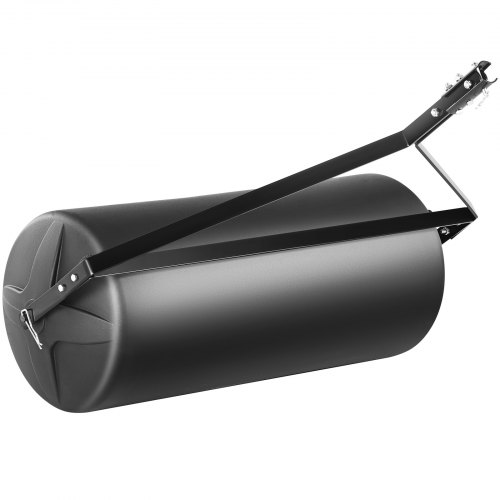
VEVOR Tow-Behind Lawn Roller (400 lb)
Sand/water-filled LLDPE drum with a steel frame and easy-turn plug. Firms new seed beds, presses sod, and smooths frost heave behind a tractor or ATV.
$199.90
Check Price at VEVOR
VEVOR 40" Tow-Behind Plug Aerator
Pull-behind core aerator with iron spikes and a universal hitch. Relieves compaction and opens the soil so water, air, and fertilizer reach the roots.
$192.99
Check Price at VEVOR
VEVOR 30" Lawn Sweeper (12 Cu. Ft. Hopper)
Spinning-brush sweeper with adjustable height and a 12 cu. ft. hopper. Collects leaves, grass clippings, and debris in a single pass to save raking.
$123.17
Check Price at VEVORFrequently Asked Questions
Can my lawn tractor pull attachments, or do I need a garden tractor?
What tow-behind attachment should I buy first?
Spike aerator or plug (core) aerator, which is better?
How do I get better traction pulling heavy attachments?
When should I aerate and roll my lawn?
What can I use a tow-behind dump cart for?
Sources & References
- Attachment functions and riding-mower compatibility: manufacturer product documentation and retailer buying guides.
- Towing limits and safe operation: tow vehicle manufacturer operator manuals and towing specifications.
- Lawn care timing (aeration, dethatching, overseeding): cooperative extension turf-management guidance.
Educational summary. Always confirm your specific machine's towing capacity and hitch requirements before purchasing an attachment.
Related Guides
Keep going, these guides pair well with what you just read.
Tractor Attachments Hub
Browse tow-behind, hitch, PTO, loader, and hydraulic attachment guides.
Read guideLawn Tractor Buying Guide
Pick the right riding mower or garden tractor to pull these attachments.
Read guideBrowse Lawn Tractors
Compare riding lawn tractors and garden tractors by deck, HP, and price.
Read guideLawn Tractor Maintenance Guide
Keep your mower running strong season after season.
Read guideTractor Attachment Compatibility Guide
Stepping up to 3-point implements on a compact tractor? Start here.
Read guideBest Tractors for 1-5 Acres
Right-size a machine for a small property, then equip it.
Read guideBest Tractors for Mowing
The best machines for keeping acreage cut and tidy.
Read guide