
Lawn Sweeper vs. Bagger: Which Cleans Up Faster?
Both collect leaves and clippings, but they suit very different properties. One is built for capacity and speed on big lawns, the other for convenience on a small yard. Here is exactly how to pick.
Updated September 2026 · Tractor Iron Editorial Team
If your lawn is buried in leaves every October or your mower spits out more clippings than you can rake, you have really only two mechanical ways to collect it all: a tow-behind lawn sweeper or a mower bagger. They look like they do the same job. In practice, one can finish an acre of leaves in twenty minutes and the other will have you climbing off the seat to empty bags a dozen times.
The right choice comes down to your lawn size, the kind of debris you deal with, and how much you hate stopping to dump. Below we break down how each tool actually works, put them head-to-head across every type of debris, show real capacity and price figures from current models, and give you a plain decision by yard size. No fluff, just what actually matters when you are standing in the store.
Quick Answer
On a large property or for fall leaves, a tow-behind lawn sweeper wins: a 20 to 30+ cu ft hopper, wide 42 to 54 inch passes, and far fewer stops to empty. On a small yard, or for collecting clippings while you mow, a bagger is simpler. For everyday clippings, mulching is often the least work of all. Sweepers only underperform when the material is wet, the grass is tall, or you tow too fast.
Best for large areas and leaves: Tow-behind lawn sweeper
Best for small yards under ~1 acre: Mower bagger
Least work for routine clippings: Mulching (no collection)
Key tip: Sweepers work best on dry material at under 5 mph
How Each One Actually Works

Tow-behind lawn sweeper
A sweeper is a wheeled hopper with spinning brushes underneath. As you tow it, the wheels turn the brushes through a gear (commonly a 5:1 ratio), flicking dry leaves and clippings up and back into a large fabric hopper. It has no engine and does not touch your mower's power, so it is quiet and simple.
- Sweep widths of 42" to 54" cover ground fast
- 20 to 30+ cu ft hopper means fewer stops
- Empties from the seat with a pull-rope tip
- Also collects aeration cores and light litter
Mower bagger
A bagger bolts onto your mower deck and uses the spinning blade's airflow to blow clippings up a chute into one or more bags. It only collects while you are actively mowing, and only as wide as your deck. Because it relies on blade suction, it shreds material a little, so it packs down and can chop leaves as it collects them.
- Collects and cuts in a single pass
- Handles damp clippings better than a sweeper
- Stays mounted, so nothing extra to store
- Small bags (often 2 to 8 cu ft) fill fast
Head-to-Head Comparison
The short version: a sweeper is about throughput and a bagger is about convenience. Here is how they stack up across the factors that decide most purchases.
| Factor | Tow-Behind Sweeper | Mower Bagger |
|---|---|---|
| Capacity | Large hopper, 20-30+ cu ft | Small bags, ~2-8 cu ft |
| Coverage width | 42-54 in, wider than most decks | Only as wide as the deck |
| Empties | Rarely, dump from the seat | Frequently on heavy loads |
| Dry leaves | Excellent | Good, but fills fast |
| Wet / matted material | Struggles, brushes clog | Better, blade shreds it |
| Effect on mower | None, no power draw | Adds engine load and blade wear |
| Noise | Quiet, no engine | Tied to engine RPM |
| Reversing | Cannot back up (jackknifes) | Fine, it is on the mower |
| Storage | Needs 4-5 ft, folds upright | Compact, stays mounted |
| Typical price | $200-$600 | $200-$600 (OEM kits) |
| Best for | Large properties, fall cleanup | Small yards, clean-cut mowing |
Which Wins by Debris Type
The single biggest predictor of satisfaction is what you are picking up. Here is how each tool performs on the materials real lawns actually generate.
| Debris | Sweeper | Bagger | Notes |
|---|---|---|---|
| Dry grass clippings | Great | Great | Bagger cuts + collects in one pass |
| Wet / damp clippings | Poor | Fair | Mulch or wait for it to dry |
| Dry leaves | Excellent | Good | Sweeper capacity wins on volume |
| Wet leaves | Poor | Fair | Both struggle; bagger shreds better |
| Pine needles | Fair* | Poor | *Dethatch first, needles embed in turf |
| Acorns / gumballs | Good | Fair | Sweeper brushes flick them up well |
| Small twigs / sticks | Good | Poor | Sticks can jam a bagger chute |
| Aeration cores / plugs | Good | N/A | Sweep up after core aerating |
| Rocks / pinecones | Good | Avoid | Sweeping spares your mower blade |
*Pine needles weave down into the thatch layer. Manufacturers such as Brinly note a sweeper will not lift embedded needles well unless the area has been dethatched recently.
Cutting Through the Capacity Confusion
Shopping is confusing because sweepers are rated in cubic feet, mower bags in gallons or bushels, and nobody converts them for you. Here is the math so you can compare apples to apples:
- 1 cubic foot ≈ 7.48 gallons ≈ 0.8 bushels
- A typical 18-gallon mower bag ≈ just 2.4 cu ft
- A 6.5-bushel twin-bag system ≈ about 8 cu ft
- A 42" tow sweeper hopper ≈ 20 cu ft (8-10x a small bag)
Put plainly: a single fill of a 20 cu ft sweeper hopper equals roughly eight to ten trips to empty a small mower bag. That difference is the entire reason large-property owners reach for a sweeper in the fall.
Real Tow-Behind Sweeper Specs & Prices
To ground the numbers, here are current manufacturer-listed specs for a common line of tow-behind sweepers (Brinly-Hardy). Use them as a realistic benchmark for what 42" and 54" sweepers offer and cost.
| Model | Sweep Width | Hopper | Brushes | MSRP |
|---|---|---|---|---|
| 42" Lawn Sweeper | 42 in | 20 cu ft | 6 brush | $349-$369 |
| 42" Sweeper + Dethatcher | 42 in | 20 cu ft | 6 brush | $509 |
| 54" Double-Helix | ~50-54 in | ~30-31 cu ft | 6 brush | $599 |
| 54" Sweeper + Dethatcher | ~50-54 in | ~30 cu ft | 6 brush | $699 |
Manufacturer-listed specs (Brinly-Hardy), current as of 2026; prices are MSRP and vary by retailer. Other brands such as Agri-Fab and Ohio Steel offer comparable 44" to 50" models. Sizing rule of thumb: ~12 cu ft is enough for a small yard, while 26-30+ cu ft suits large properties and heavy leaf drop.
Choose a lawn sweeper if
- You have a large lawn or lots of trees
- Fall leaf cleanup is a big annual chore
- You want to empty far less often
- You tow behind a lawn or garden tractor
- You want to spare your mower blade from sticks and rocks
Choose a bagger if
- Your yard is small (under ~1 acre)
- You want collection while you mow
- You want a clean, manicured cut
- You often deal with slightly damp clippings
- You do not have storage for a separate unit
The Simple Answer by Yard Size
If you want to skip the analysis, match your property to one of these three scenarios.
Under ½ acre
A mower bagger is plenty, and for routine mowing you may not need to collect at all: mulching returns nutrients and saves the most time. Keep a rake or blower for tight spots. A tow sweeper is overkill and awkward to store.
1 to 2 acres
This is the crossover zone. Mulch or bag in summer; add a 42" tow sweeper for fall leaves so you are not emptying bags every few minutes. If you have many mature trees, lean sweeper.
3+ acres
A 54" tow sweeper with a 30 cu ft hopper is the practical choice, and heavy leaf drop may justify stepping up to a tow-behind lawn vacuum or cyclone-rake system. A bagger alone will have you spending more time emptying than mowing.
What Each Does to Your Mower
A point most guides skip: these tools affect your machine very differently, and that matters over a season.
Sweeper: easy on the machine
A sweeper draws no engine power and adds only rolling resistance, so it barely taxes the mower. It also lets you collect leaves and litter without running the blade over sticks and rocks, which saves your blade edge and spindle. The main strain is towing weight, so on hills go slow.
Bagger: more load, more wear
A bagger relies on blade airflow, so it adds engine load and speeds up blade wear, especially in heavy or gritty material. Chutes can clog with damp clippings, and the extra weight on the deck can strain the transmission on larger loads. It is fine for its intended job, just not free.
Where They Fit in the Full Cleanup Ladder
Sweeper vs bagger is not the whole story. Here is the complete spectrum, from least to most capacity, so you can be sure you are not overbuying or underbuying.
| Tool | Best For | Rough Cost |
|---|---|---|
| Rake | Tiny yards, tight corners, touch-ups | $15-$40 |
| Leaf blower | Herding leaves, hard surfaces, edges | $40-$300 |
| Mulching (no collection) | Routine clippings, feeding the lawn | $0 (mulch blade) |
| Mower bagger | Small yards, clean-cut collection | $200-$600 |
| Tow-behind sweeper | Large lawns, fall leaves | $200-$600 |
| Tow-behind lawn vacuum / cyclone rake | Acreage, heavy leaves, shredding | $1,500-$3,000+ |
Will It Work With My Mower?

Sweeper compatibility
A tow sweeper works behind almost anything with a hitch: lawn tractors, garden tractors, sub-compacts, ATVs, and many zero-turns (confirm the maker allows towing). Two things to match:
- Sweep width to your deck width for efficient passes
- Hitch height so the sweeper sits level (multi-hitch kits help)
Bagger compatibility checklist
Baggers are deck- and brand-specific. Before buying, confirm:
- The kit is made for your exact mower model and deck size
- Rear vs side mount fits your machine
- Zero-turns often need dual bags; big tractors, triple
Get the Most From a Sweeper (Pro Tips)
Nearly every "my sweeper doesn't work" complaint traces back to technique. Do these four things and it will pick up cleanly:
Upkeep at a Glance
Sweeper
- Empty and dry the hopper after use to protect the fabric
- Inspect brushes for wear every few months; replace worn sets
- Check bolts, wheels, and the pinion/brush gears each season
Bagger
- Clear the chute of damp buildup to prevent clogs
- Rinse and dry bags so they keep their airflow
- Keep the mower blade sharp; dull blades bag poorly
What Pays Off, and When
Both tools land in the same rough price band, roughly $200 to $600, so cost rarely decides it. Value comes down to time saved:
- Under ½ acre: a bagger (or free mulching) pays off; a sweeper rarely earns its storage space.
- 1 acre or more with trees: a sweeper pays for itself in a single fall of not raking.
- 3+ acres of heavy leaves: a $1,500+ tow vacuum can be worth it if fall cleanup takes whole weekends.
Tow-Behind Lawn Care Picks
A tow-behind sweeper plus the carts, aerators, and rollers that round out a lawn-care setup.
Sweepers & Lawn Care Attachments
Pull-behind gear for collecting, aerating, and finishing the lawn.
Some links below are affiliate links, including Amazon Associate links. As an Amazon Associate, Tractor Iron earns from qualifying purchases, at no additional cost to you.

VEVOR 28 Cu. Ft. Tow-Behind Dump Trailer (1800 lb)
Heavy-duty steel dump trailer with a removable rear panel, rated to 1,800 lb. Haul soil, gravel, mulch, and yard waste behind a lawn tractor, ATV, or UTV.
$545.90
Check Price at VEVOR
VEVOR 6 ft Tow-Behind Drag Harrow / Driveway Grader
Adjustable-width chain harrow for grading gravel driveways, leveling soil, breaking up clumps, and smoothing arenas. Fits ATVs, UTVs, and tractors.
$319.90
Check Price at VEVOR
VEVOR 1500 lb Poly Dump Cart (15 Cu. Ft.)
Rust-proof poly dump cart with a 90° quick-dump mechanism and 2-in-1 tow/push handle. Perfect for moving plants, soil, firewood, and harvest around the property.
$289.90
Check Price at VEVOR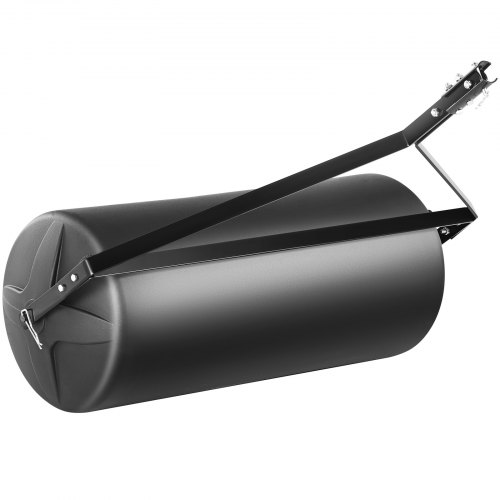
VEVOR Tow-Behind Lawn Roller (400 lb)
Sand/water-filled LLDPE drum with a steel frame and easy-turn plug. Firms new seed beds, presses sod, and smooths frost heave behind a tractor or ATV.
$199.90
Check Price at VEVOR
VEVOR 40" Tow-Behind Plug Aerator
Pull-behind core aerator with iron spikes and a universal hitch. Relieves compaction and opens the soil so water, air, and fertilizer reach the roots.
$192.99
Check Price at VEVOR
VEVOR 30" Lawn Sweeper (12 Cu. Ft. Hopper)
Spinning-brush sweeper with adjustable height and a 12 cu. ft. hopper. Collects leaves, grass clippings, and debris in a single pass to save raking.
$123.17
Check Price at VEVORFrequently Asked Questions
Is a lawn sweeper better than a bagger?
Do lawn sweepers actually work, or are they a gimmick?
Does a lawn sweeper pick up grass clippings?
Will a lawn sweeper pick up pine needles, acorns, or twigs?
Does a lawn sweeper damage the grass?
Can I use a lawn sweeper on a zero-turn?
Can you tow a lawn sweeper in reverse?
Sweeper, bagger, or mulching: which should I choose?
Can a bagger be used with any mower?
How do I store a tow-behind lawn sweeper?
Related Guides
Keep going, these guides pair well with what you just read.
Best Tow-Behind Attachments
The full guide to carts, aerators, rollers, sweepers, and spreaders.
Read guideBest Lawn Sweepers
Our top sweeper picks by lawn size, with sizing and brush-height tips.
Read guidePlug vs Spike Aerator
Which aerator actually relieves lawn compaction.
Read guideLawn Tractor Buying Guide
Pick the right riding mower to pull these attachments.
Read guide