
Plug Aerator vs. Spike Aerator
They look similar and hitch to the same mower, but they do very different things to your soil. One genuinely relieves compaction, the other can quietly make it worse. Here is how to choose and how to aerate the right way.
Quick Answer
For a real fix to a thin, compacted lawn, use a plug (core) aerator. It pulls plugs of soil out so air, water, and nutrients reach the roots, and it pairs perfectly with fall overseeding. A spike aerator only punches holes and can worsen compaction over time, so save it for light use or pressing seed into contact. When in doubt, core aerate.
Best for real aeration: Plug (core) aerator
Best before overseeding: Plug aerator, then seed and fertilize
Okay for light, occasional use: Spike aerator
Key tip: Add weight and aerate slightly moist soil
On this page
- What aeration does and why it matters
- How plug and spike aerators work
- Head-to-head comparison table
- Why a spike can make it worse
- Slicing and liquid aeration
- Does your lawn even need it?
- Plug (core) aerator, in depth
- Spike aerator, in depth
- How to aerate properly
- When to aerate, by grass type
- Mistakes to avoid
- FAQ
What Aeration Does and Why It Matters
Over time, soil under a lawn packs down from foot traffic, mowing, rain, and its own weight. Compacted soil squeezes out the tiny air pockets that roots, water, and nutrients need, so grass grows shallow roots, thins out, and puddles after rain. Clay soils compact fastest.
Aeration reopens that pore space so the root zone can breathe again. The question is not whether to aerate a compacted lawn, it is which tool actually accomplishes it. That is where plug and spike aerators split apart, because only one of them removes soil.
How Plug and Spike Aerators Work
Plug (core) aerator
Rows of hollow tines punch into the ground and pull out cylindrical plugs of soil, roughly 2 to 4 inches deep and about half an inch wide, dropping them on the surface. Removing that material leaves open channels, so air, water, and nutrients travel straight to the root zone and the surrounding soil has somewhere to expand into. This is the setup that genuinely relieves compaction.
Spike aerator
Solid spikes or star-shaped tines press holes into the ground without removing any soil. Because nothing comes out, the soil has to go somewhere, so it gets pushed sideways and downward, packing tighter around each hole. The holes are shallower and close quickly. It makes the lawn look aerated without solving the underlying problem.
Head-to-Head Comparison
| Factor | Plug (Core) Aerator | Spike Aerator |
|---|---|---|
| How it works | Hollow tines pull out plugs of soil | Solid tines punch holes, push soil aside |
| Relieves compaction | Yes, genuinely and lastingly | No, can worsen it around each hole |
| Hole depth | About 2 to 4 inches | About 1 to 2 inches |
| What it leaves behind | Soil plugs on top that break down | Nothing, just slits or holes |
| Best before overseeding | Yes, the gold standard | Only pressing seed into contact |
| Helps with thatch | Yes, cores pull thatch and add microbes | Minimal |
| Best soil | Clay, heavy, compacted soil | Loose, sandy, already healthy soil |
| Effort | Needs weight and moist soil to pull cores | Simpler and lighter to run |
| How long results last | Months, into the next season | Weeks, holes close quickly |
| Cost | Higher | Lower |
| Best for | Thin, hard, or compacted lawns | Light upkeep, pressing in seed |
Why a Spike Aerator Can Make Compaction Worse
This is the part most people miss. A spike does not remove soil, it displaces it. When a solid tine drives into compacted or clay soil, the soil it pushes out of the way has nowhere to go, so it packs tighter around and below the hole. Repeat that across the whole lawn, season after season, and a spike aerator can leave the soil more compacted than when you started. A core aerator avoids this entirely by taking soil out, which is exactly why turf specialists and university extension programs recommend core aeration for real compaction problems.
Two Other Options: Slicing and Liquid
Slicing aerators
Rotating knife-like blades cut narrow slots into the soil. Slicing relieves compaction better than a spike because it does not compress soil the same way, and it does not leave plugs. It sits between spike and core in results, and is a reasonable middle ground for lightly compacted lawns.
Liquid aeration
A soil surfactant sprayed on the lawn loosens soil chemically over weeks. It is easy to apply with no machine and no plugs, and it can help sandy or lightly compacted lawns. For genuinely compacted clay, though, mechanical core aeration is still the most reliable fix.
Does Your Lawn Even Need Aerating?
Aeration is only worth the afternoon if you actually have compaction. Watch for these signs, then confirm with the screwdriver test.
The screwdriver test: a day after a light watering, push a screwdriver into the lawn. If it slides in easily, your soil is fine. If you have to lean on it, you have compaction and a core aerator will help. Skip aeration on newly seeded or sodded lawns and during drought, dormancy, or heat.
The Plug (Core) Aerator, in Depth
A core aerator is the tool that fixes a lawn rather than dressing it up. On a property scale, a tow-behind drum with hollow tines and a weight tray lets a riding mower core a big yard in one pass. Load the tray, aerate slightly moist soil, and you get clean plugs 2 to 4 inches deep. It is the standard step before a fall overseed and fertilizer, when seed and nutrients drop straight into the open holes.
Strengths
- Actually removes soil, so compaction is truly relieved
- Opens deep channels for air, water, roots, and fertilizer
- The proven setup for a big overseeding improvement
- Cores pull up thatch and reintroduce soil microbes
- Results last into the next growing season
Limitations
- Costs more than a spike unit
- Needs added weight and slightly moist soil to pull good plugs
- Leaves plugs on the surface for a week or two
- Slower going, often a second pass on bad spots
The Spike Aerator, in Depth
A spike aerator is not useless, it is just widely misused. It shines in one job: pressing broadcast seed into firm contact with the soil after you overseed, which improves germination. It is also fine for a quick, light pass on loose, sandy, already healthy soil. What it cannot do is relieve real compaction, so it is the wrong tool for a thin, hard, or clay lawn.
Where it works
- Cheap and simple to run
- Lighter, no weight tray to load
- Fine for pressing seed into soil contact after spreading
- Okay for a quick touch-up on loose, healthy soil
Where it fails
- Does not remove soil, so compaction is not relieved
- Pushes soil sideways and can compact it further over time
- Shallow holes close quickly, so results are short
- Wrong tool for a thin, hard, or clay lawn
How to Aerate Properly
- 1
Aerate at the right time
Early fall for cool-season grass, late spring for warm-season grass, when the lawn is growing and can recover fast.
- 2
Water first so the soil is moist
Aerate a day or two after rain or watering. Moist soil releases clean plugs; dry, hard ground will not let the tines bite.
- 3
Add weight to the aerator
Load the tray on a tow-behind core aerator so the hollow tines reach 2 to 4 inches, and drive slowly.
- 4
Make a pass, then cross the bad spots
Cover the lawn once, then go over compacted and high-traffic areas a second time in a different direction.
- 5
Leave the plugs on the lawn
Do not rake up the cores. They break down within a week or two and return soil and microbes to the surface.
- 6
Overseed and fertilize right after
Seed and nutrients fall into the open holes for the best contact. Water to keep the surface moist while it establishes.
Aerating before you overseed? Pair it with a good spreader from our best lawn spreaders guide so seed and fertilizer land evenly in the fresh holes.
When to Aerate, by Grass Type
| Grass type | Examples | Best time to aerate |
|---|---|---|
| Cool-season | Tall fescue, Kentucky bluegrass, ryegrass | Early fall (best), or early spring |
| Warm-season | Bermuda, Zoysia, St. Augustine | Late spring to early summer |
| Avoid | Any grass | Drought, dormancy, peak heat, new seed or sod |
Aerating and rolling get confused. If you are weighing them, see lawn roller vs aerator to understand why they solve opposite problems.
The verdict
For anyone fixing a real lawn problem, the plug (core) aerator wins clearly. Spike aerators are cheaper and fine for pressing in seed or a light touch-up, but they do not solve the compaction that makes a lawn thin and hard, and they can slowly make it worse. If you are going to aerate and overseed once a year, do it right with a core aerator.
Mistakes to Avoid
Using a spike on a compacted lawn
It will not relieve the compaction and can pack clay soil tighter. Use a core aerator for real problems.
Aerating bone-dry soil
Dry ground will not release plugs and the tines barely penetrate. Aerate a day or two after rain or watering.
Skipping the weight
Without ballast, a tow-behind aerator skips across the surface. Load the tray so the tines reach 2 to 4 inches.
Raking up the plugs
The cores return soil and microbes as they break down. Leave them, they disappear in a week or two.
Aerating at the wrong time
Aerating in heat, drought, or dormancy stresses the lawn. Match the timing to your grass type.
Not overseeding after
Aeration opens the perfect seedbed. Overseed and fertilize right after for the biggest improvement.
Tow-Behind Lawn Care Picks
A tow-behind plug aerator plus the rollers, sweepers, and spreaders that round out a lawn-care setup behind your mower. For a deeper rundown, see our best tow-behind aerators guide.
Aerators & Lawn Care Attachments
Pull-behind gear for aerating, seeding, rolling, and cleanup.
Some links below are affiliate links, including Amazon Associate links. As an Amazon Associate, Tractor Iron earns from qualifying purchases, at no additional cost to you.

VEVOR 28 Cu. Ft. Tow-Behind Dump Trailer (1800 lb)
Heavy-duty steel dump trailer with a removable rear panel, rated to 1,800 lb. Haul soil, gravel, mulch, and yard waste behind a lawn tractor, ATV, or UTV.
$545.90
Check Price at VEVOR
VEVOR 6 ft Tow-Behind Drag Harrow / Driveway Grader
Adjustable-width chain harrow for grading gravel driveways, leveling soil, breaking up clumps, and smoothing arenas. Fits ATVs, UTVs, and tractors.
$319.90
Check Price at VEVOR
VEVOR 1500 lb Poly Dump Cart (15 Cu. Ft.)
Rust-proof poly dump cart with a 90° quick-dump mechanism and 2-in-1 tow/push handle. Perfect for moving plants, soil, firewood, and harvest around the property.
$289.90
Check Price at VEVOR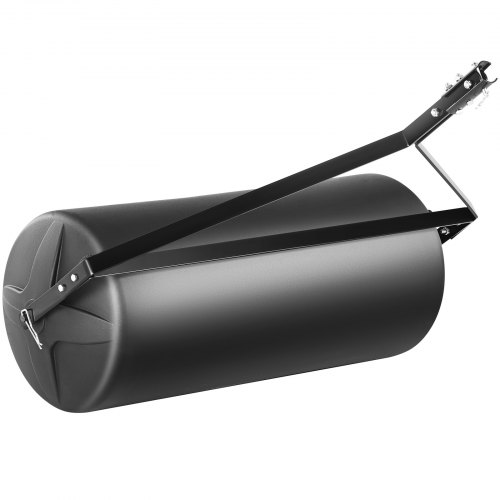
VEVOR Tow-Behind Lawn Roller (400 lb)
Sand/water-filled LLDPE drum with a steel frame and easy-turn plug. Firms new seed beds, presses sod, and smooths frost heave behind a tractor or ATV.
$199.90
Check Price at VEVOR
VEVOR 40" Tow-Behind Plug Aerator
Pull-behind core aerator with iron spikes and a universal hitch. Relieves compaction and opens the soil so water, air, and fertilizer reach the roots.
$192.99
Check Price at VEVOR
VEVOR 30" Lawn Sweeper (12 Cu. Ft. Hopper)
Spinning-brush sweeper with adjustable height and a 12 cu. ft. hopper. Collects leaves, grass clippings, and debris in a single pass to save raking.
$123.17
Check Price at VEVORFrequently Asked Questions
Is a plug aerator or a spike aerator better?
When is a spike aerator okay to use?
Does a spike aerator really make compaction worse?
Should I rake up the soil plugs after core aerating?
How do I get a tow-behind plug aerator to pull good cores?
When should I aerate my lawn?
How do I know if my lawn even needs aerating?
What about slicing or liquid aeration?
How often should I aerate?
Sources & References
- Core aeration for compaction relief and timing by grass type: university cooperative extension turfgrass guidance.
- Soil compaction, pore space, and root health: extension soil and lawn-care resources.
- Aerator mechanics (hollow-tine coring vs solid spikes) and best practices: manufacturer and turf-care references.
Related Guides
Keep going, these guides pair well with what you just read.
Best Tow-Behind Aerators
Pull-behind core aerators compared, with sizing and weight tips.
Read guideLawn Roller vs Aerator
Two tools that solve opposite problems. Which one your lawn needs.
Read guideBest Lawn Spreaders
Spread seed and fertilizer evenly right after you aerate.
Read guideBest Tow-Behind Attachments
The full guide to carts, aerators, rollers, sweepers, and spreaders.
Read guideLawn Tractor Buying Guide
Pick the right riding mower to pull these attachments.
Read guideLawn Tractor Maintenance
Keep your mower running strong season after season.
Read guide