Tractor Iron
Lawn TractorsSub-Compact TractorsCompact TractorsUtility TractorsIndustrial TractorsBrowse All Tractors
Buying a TractorAttachments & ImplementsFarm & PropertyMaintenance & OwnershipView All Guides
BrandsOwner InsightsDealers Near Me
Browse Categories
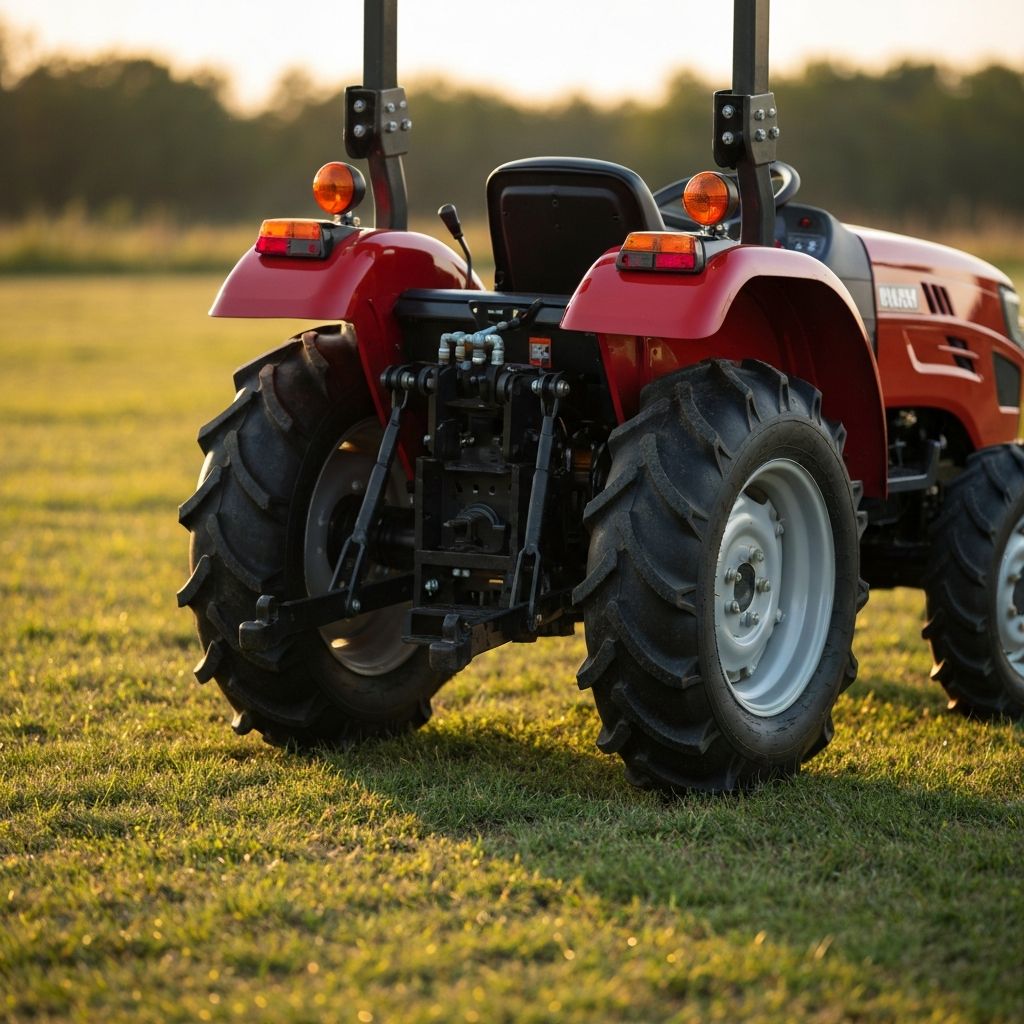
Rear hydraulic remotes mounted on a compact tractor near the three-point hitch
HomeGuidesHydraulic Remotes

Tractor Hydraulic Remotes (Rear Remotes / SCVs) Guide

Last updated: 2/2026

  • What Are Remotes?
  • vs Third Function
  • How Many?
  • Implements
  • Installation
  • Pressure Testing
  • Preventing Leaks
  • Sealants
  • FAQ

Hydraulic remotes are the quick-connect coupler sets on the rear of your tractor that let you power hydraulic cylinders and motors on rear-mounted implements. If you run a grapple, hydraulic top link, offset mower, angle blade, backhoe, or log splitter off the back of your machine, you are using rear remotes.

This guide covers what rear remotes are, how they compare to a third-function valve, how many you actually need, which implements require them, a high-level installation overview, pressure testing tools, leak prevention, and sealant best practices. No calculators or downloads, just clear reference material for compact and utility tractor owners.

What Are Tractor Hydraulic Remotes?

Tractor hydraulic remotes are also called rear remotes or SCVs (Selective Control Valves). They are quick-connect hydraulic coupler sets mounted at the rear of the tractor that provide pressure and return lines to operate hydraulic cylinders or motors on rear implements.

  • Each remote provides one hydraulic circuit with A and B ports (extend and retract)
  • Most tractors support 1 to 3 rear remote sets, some larger machines allow more
  • Typical flow per remote: 5 to 15 GPM depending on the tractor's hydraulic pump
  • Typical operating pressure: 2,000 to 3,000 PSI
  • Adding more valve sections does NOT increase pump output. Flow is split between active circuits.

Rear Remotes vs Third Function

Many tractor owners confuse rear remotes with a third-function valve. They serve different purposes and are located in different places on the machine.

FeatureRear RemotesThird Function
LocationRear of tractorFront loader
Typical UseTop link, angle blades, backhoeGrapples, front hydraulic tools
Controlled ByRear levers or electric switchesLoader joystick button

Many tractors have both: a third function for front implements and rear remotes for 3-point hydraulic attachments. They are independent circuits that draw from the same pump.

How Many Rear Remotes Do I Need?

Match the number of remote sets to the number of independent hydraulic movements you want to control.

1 Set

  • Hydraulic top link
  • One angle blade cylinder
  • Single cylinder function

2 Sets

  • Top + tilt setup
  • Offset + tilt mower
  • Two-function implements

3+ Sets

  • Multi-cylinder implements
  • Complex rear hydraulic tools
  • Backhoe with independent boom, stick, and bucket circuits

Each remote set equals one independent hydraulic circuit. Adding more sets does not add more flow, it divides the existing pump output when multiple circuits run simultaneously.

What Implements Require Rear Hydraulic Remotes?

Material Handling

  • Rear log splitters
  • Hydraulic grapples (rear-mounted)

Land & Mowing

  • Offset/side-shift mowers
  • Hydraulic angle rear blades
  • Flail mowers with tilt/shift

Ground & Utility

  • Hydraulic top link
  • Top-and-tilt systems
  • Post drivers
  • Backhoe controls (varies by setup)

Related Guides

  • Tractor Attachment Guide
  • Utility Tractor Buying Guide

Installation Overview (High-Level)

This is an educational overview of what rear remote installation involves. Always follow the specific instructions from your valve kit manufacturer and your tractor's service manual.

Preparation

  • Park on level ground
  • Shut engine off
  • Relieve hydraulic pressure
  • Disconnect loader if required for access

Valve Assembly

  • Install valve bank per manufacturer instructions
  • Lubricate all O-rings before assembly
  • Install fittings to correct torque specifications

Mounting

  • Secure valve bracket near the 3-point hitch or loader valve area
  • Ensure the mounting location allows clear hose routing

Hose Routing

  • Connect Power Beyond (PB) pressure line from tractor to valve inlet
  • Connect tank/return line from valve to tractor reservoir
  • Route all hoses away from heat sources and pinch points

Controls

  • Install manual lever or electric solenoid controls
  • Add inline fuse for electric solenoid systems
  • Route wiring away from moving parts

Testing

  • Refill hydraulic fluid to proper level
  • Cycle each remote slowly through full range of travel
  • Check every fitting and connection for leaks

Safety Warning

Never check for hydraulic leaks with bare hands. Hydraulic fluid under pressure can penetrate skin and cause injection injuries that require immediate emergency medical treatment. Use cardboard or paper to detect leaks, not your fingers.

Tools to Test Hydraulic Remote Pressure

ToolPurposeTypical Cost
Pressure Gauge Kit (0-5,000 PSI)Measure system pressure at the coupler$50 - $150
Tee AdapterDual-port testing without disconnecting lines$20 - $40
Flow Meter (optional)Measure GPM through the circuit$200+

Basic Pressure Test Steps

  1. 1Attach pressure gauge to one of the rear remote coupler ports
  2. 2Warm the tractor to normal operating temperature
  3. 3Test at low RPM first, then increase to rated RPM
  4. 4Compare the reading to the manufacturer specification in your service manual

Preventing Hydraulic Remote Leaks

Post-Repair Best Practices

  • Always use new O-rings during reassembly
  • Lubricate O-rings with clean hydraulic oil before installation
  • Do not over-torque fittings (follow the torque spec for each fitting type)
  • Depressurize the system before reconnecting any lines
  • Clean couplers thoroughly before connecting

Routine Maintenance

  • Inspect hoses weekly for abrasion, cracking, or bulging
  • Replace any cracked or damaged lines immediately
  • Change hydraulic fluid and filters per the manufacturer schedule
  • Cap unused coupler ports to keep out dirt and moisture

Usage Habits

  • Cycle remotes slowly during initial tests after any service
  • Avoid shock loads that spike pressure beyond system rating
  • Disconnect and store implements overnight to relieve standing pressure on seals

Keep Your Hydraulics Running Right

Diagnostic gear, couplers, and correct fluid prevent most hydraulic remote failures.

Some links below are affiliate links, including Amazon Associate links. As an Amazon Associate, Tractor Iron earns from qualifying purchases, at no additional cost to you.

VEVOR Hydraulic Pressure Test Kit (5 Gauges)
4.7

VEVOR Hydraulic Pressure Test Kit (5 Gauges)

10/100/250/400/600 bar gauges with couplings, tees, and hoses in a case. Diagnose weak remotes, loader, and 3-point hydraulics, made for tractors and machinery.

$131.67

Check Price at VEVOR
VEVOR 1/2" Flat-Face Hydraulic Couplers (4 Sets)
4.9

VEVOR 1/2" Flat-Face Hydraulic Couplers (4 Sets)

Flat-face quick-connect couplers, 1/2" body / 1/2" NPT. Standard on skid-steer and tractor remotes. Replace leaking or mismatched couplers to run more implements.

$88.11

Check Price at VEVOR
VEVOR 1/2" Hydraulic Hose, 50 ft (5000 PSI)
5.0

VEVOR 1/2" Hydraulic Hose, 50 ft (5000 PSI)

50-foot 1/2" hydraulic hose rated to 5000 PSI. Bulk length for building or replacing remote, loader, and top-and-tilt lines to your own fittings.

$71.90

Check Price at VEVOR
SMV Slow Moving Vehicle Sign

SMV Slow Moving Vehicle Sign

Bright orange retroreflective triangle. Required by law when operating any tractor or implement on public roads. Mounts to ROPS or rear frame.

View on Amazon
B'laster Penetrating Catalyst

B'laster Penetrating Catalyst

11 oz spray. Breaks loose seized bolts, corroded fittings, and frozen hitch pins. Every tractor owner encounters a rusted fastener eventually.

View on Amazon
Universal Tractor Hydraulic Fluid

Universal Tractor Hydraulic Fluid

Full synthetic UTTO formula. Compatible with most compact and utility tractor transmissions, wet brakes, and hydraulic systems. Keeps linkages operating smoothly.

View on Amazon

Best Sealants for Hydraulic Fittings

Fitting TypeRecommended Sealant
NPT threadsAnaerobic hydraulic sealant or PTFE paste
JIC flare fittingsAnaerobic sealant only
O-ring boss (ORB)No sealant (lubricate O-ring only)

Application Tips

  • Apply sealant to male threads only
  • Start two threads back from the end to prevent sealant from entering the hydraulic circuit
  • Allow proper cure time before pressurizing the system
  • Avoid Teflon tape on JIC flare fittings and O-ring boss fittings (it can shred and contaminate the system)

Ready to Talk to a Dealer?

Dealer availability, financing, and parts support vary significantly by region. Compare quotes from local dealers before you buy.

Find Dealers Near You

Frequently Asked Questions

What are tractor hydraulic remotes?
Hydraulic remotes (also called rear remotes or SCVs) are quick-connect hydraulic coupler sets mounted at the rear of a tractor. Each set provides a pressure port and a return port that let you control a hydraulic cylinder or motor on a rear-mounted implement independently from the tractor's main hydraulic functions.
How many rear remotes do I need?
One set handles a single hydraulic function like a hydraulic top link or an angle blade cylinder. Two sets cover implements that need two independent movements such as a top-and-tilt system. Three or more sets are for complex multi-cylinder implements. Match the number of remotes to the number of independent hydraulic movements you need to control.
What is the difference between rear remotes and third function?
Rear remotes are hydraulic coupler sets at the rear of the tractor controlled by rear-mounted levers or electric switches. A third function is a hydraulic circuit routed to the front loader and typically controlled by a button on the loader joystick. Many tractors have both: third function for front grapples and hydraulic tools, and rear remotes for 3-point hydraulic attachments.
Can I add rear remotes to any tractor?
Most compact and utility tractors can accept aftermarket rear remote kits as long as the tractor has a hydraulic pump with enough flow and a Power Beyond (PB) port or open-center circuit to tap into. Check your tractor's hydraulic capacity and available ports before purchasing a kit. Some tractors require an adapter plate or different valve configuration.
What pressure should my rear remotes produce?
Most compact and utility tractor hydraulic systems operate between 2,000 and 3,000 PSI. The exact pressure depends on your tractor model and pump specifications. Always compare your gauge reading to the manufacturer's spec listed in your operator's manual. Low pressure usually indicates a pump issue, relief valve setting, or internal leak.
Why are my hydraulic remotes leaking down?
Leaking down (cylinders slowly retracting or extending on their own) is usually caused by a worn spool seal in the control valve, a leaking cylinder seal, or a coupler that is not fully seated. Check each component individually by isolating the circuit. A faulty check valve in the remote valve assembly is another common cause.
Do I need power beyond to install rear remotes?
Power Beyond (PB) is the most common way to supply pressurized hydraulic oil to an add-on remote valve. If your tractor does not have a PB port, you may be able to tee into the loader circuit or use a tandem pump setup, but this requires careful planning to avoid starving the existing circuits of flow. Consult your tractor's hydraulic schematic first.
Can I run multiple hydraulic cylinders at once?
You can operate multiple remotes simultaneously, but total flow is limited by the tractor's hydraulic pump output. Running two or more circuits at the same time splits the available GPM between them, which slows each function. For demanding multi-circuit work, confirm your pump's rated GPM can support the combined flow requirements.

Related Guides

Keep going, these guides pair well with what you just read.

Front Loader Attachments Guide

Grapples and hydraulic implements that rely on rear remotes and couplers.

Read guide

3-Point Hitch Guide

How implements mount and connect at the rear of your tractor.

Read guide

Tractor Attachment Compatibility Guide

Check hydraulic, PTO, and hitch compatibility before you buy an implement.

Read guide

Tractors

  • Browse Categories
  • All Brands
  • Compare Tractors
  • Owner Insights
  • Dealers Near Me

Guides

  • Buying a Tractor
  • Tractors by Acreage
  • Tractors by Task
  • Tractors by Budget
  • Attachments & Implements
  • Maintenance & Ownership
  • All Guides Library

Farm & Property

  • Farm Backup Power
  • Farm Fuel Storage
  • Tow-Behind Equipment
  • Sprayers for Weeds & Pasture
  • Log Splitters
  • All Farm & Property

Tractor Iron

  • About
  • Methodology
  • Contact
  • Advertise With Us
  • Privacy Policy
  • Terms of Service

Independent tractor research, comparisons, owner insights, and practical guidance for people who own and work their land.

© 2026 Tractor Iron. All rights reserved.