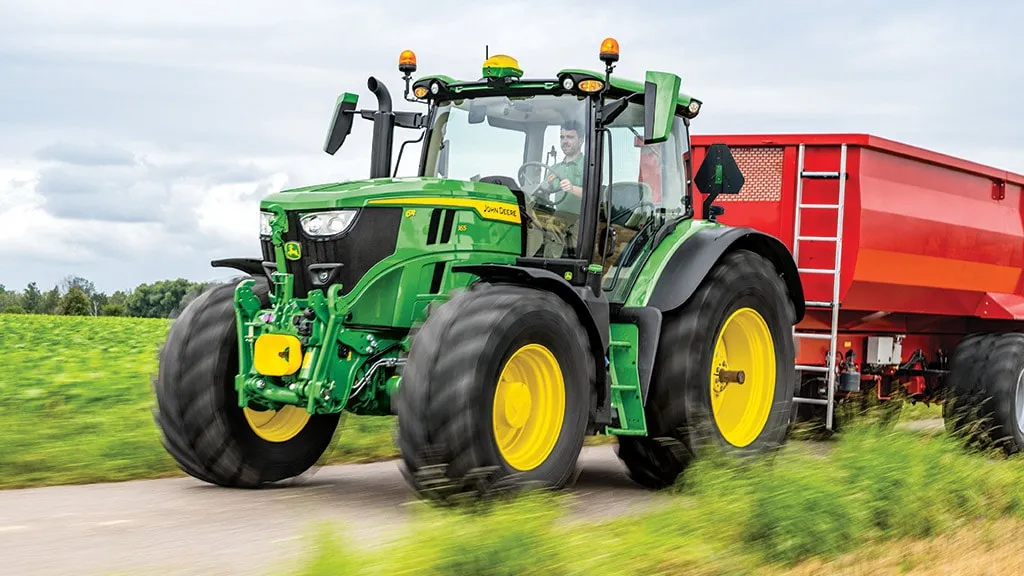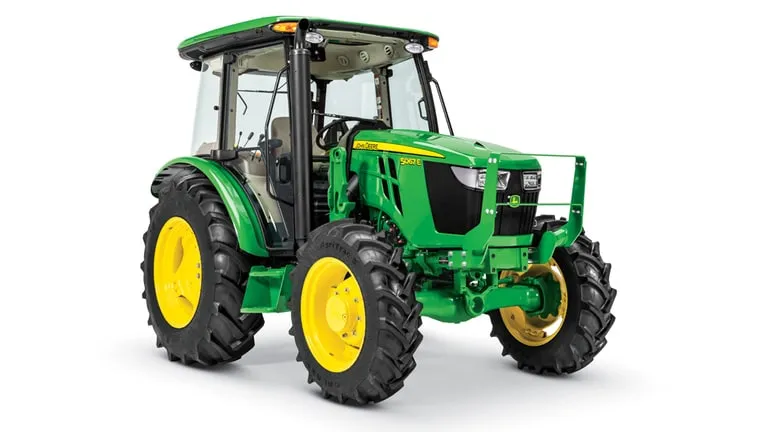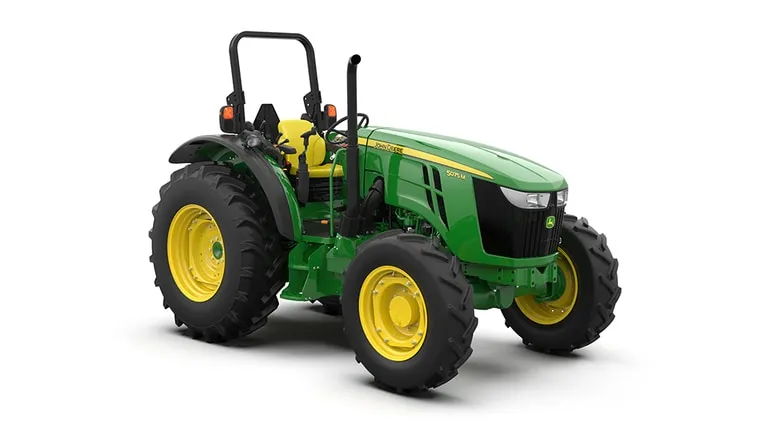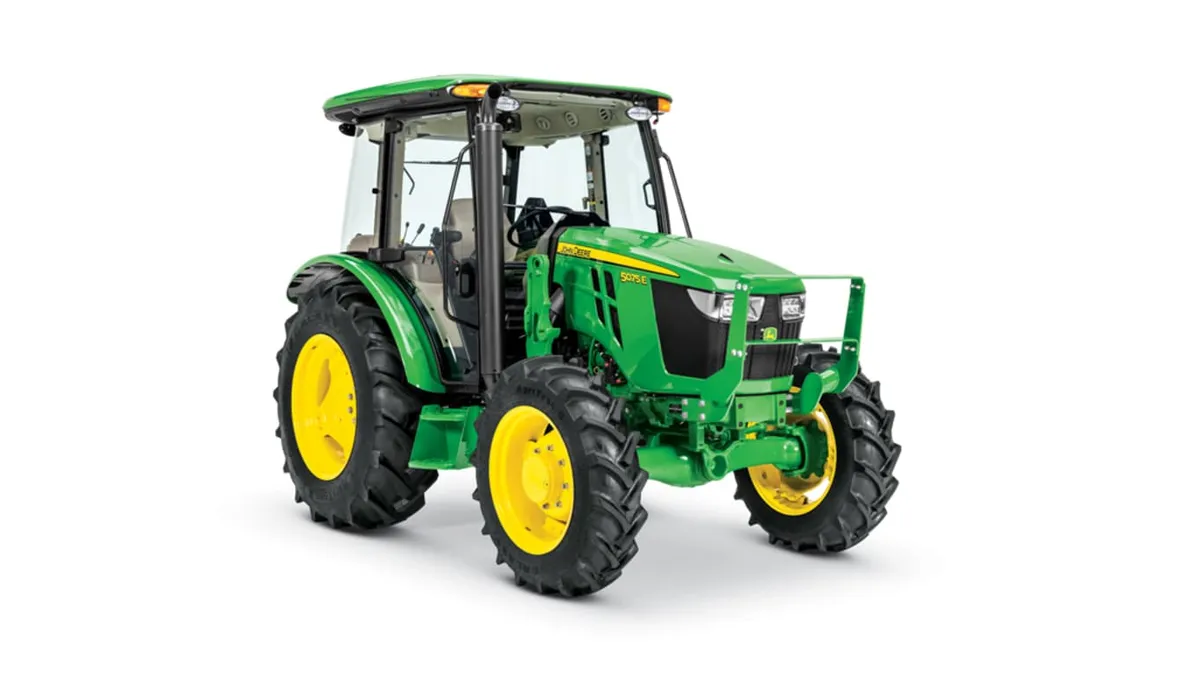
Sub-CompactVerifiedJohn Deere Tractors: Models, History & Buyer Guide
The world's largest agricultural equipment manufacturer. Browse every John Deere tractor in our database, compare specs, and find the right model for your operation.
Brand Overview
John Deere is the world's largest manufacturer of agricultural machinery. From 23 HP sub-compacts to 410 HP row crop tractors, their lineup covers every segment with consistent build quality and a dealer network that no competitor can match.
If you're deciding how much tractor you need, our guides on choosing by acreage, matching a tractor to your tasks, and buying within a budget are a good starting point before diving into individual models.
Quick Brand Snapshot
Is John Deere Worth It?
John Deere commands a 10–20% price premium over comparable competitors. Here's an honest breakdown of what you get, and what you give up.
+ Pros
- ✓Over 2,000 dealer locations in North America
- ✓Best-in-class resale values, protects your investment
- ✓Parts availability on current and older models
- ✓Factory-matched implements and attachments across the lineup
- ✓Advanced precision ag technology from compact to large ag
- ✓Consistent build quality across all series
− Cons
- −Premium purchase price vs. comparable brands
- −Proprietary systems limit independent repair options
- −Full precision ag functionality requires paid subscriptions
- −Compact models may have wait times at peak season
- −Entry-level E Series models cost more than competing brands with similar specs
★ Best For
- →Buyers who value dealer convenience above all
- →Operations that trade equipment frequently
- →Large farms running integrated precision ag systems
- →Anyone who wants one brand for tractors and implements
- →Buyers in areas where other brand dealer support is sparse
Not sure which model fits your situation? See the most commonly purchased John Deere tractors, with a plain-language breakdown of who each one is for.
View Popular Models →Most Popular John Deere Tractors
Eight of the most-researched models across the lineup, each with a plain-language explanation of why it matters and who it's best for.
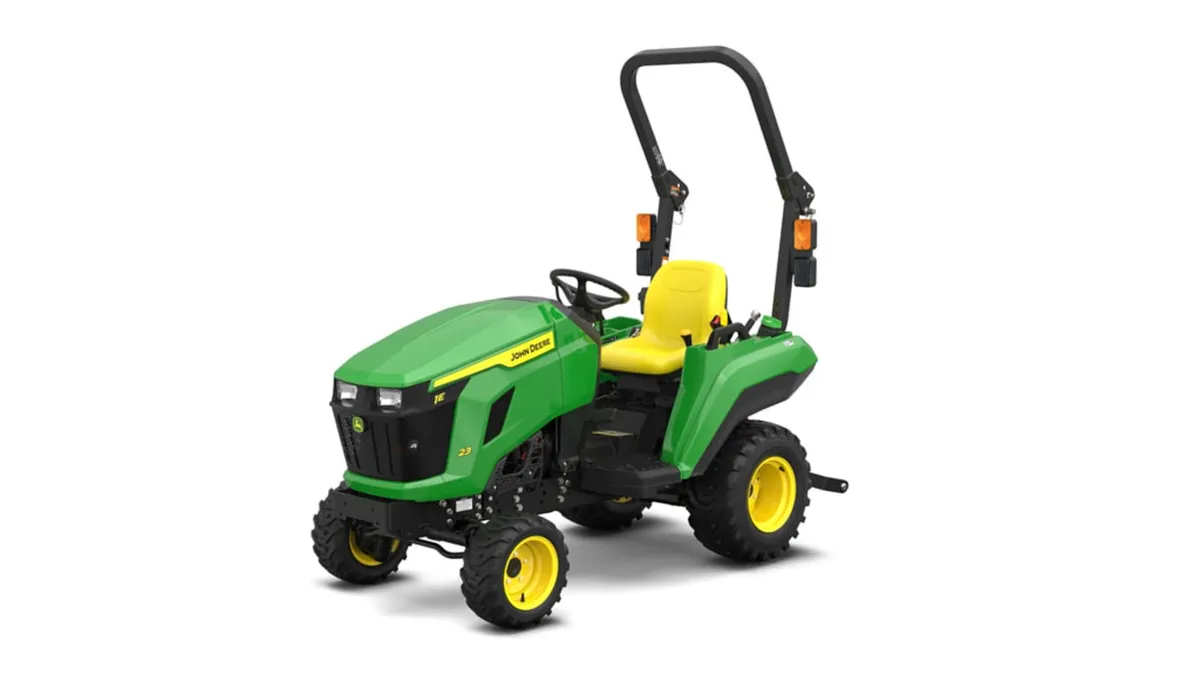
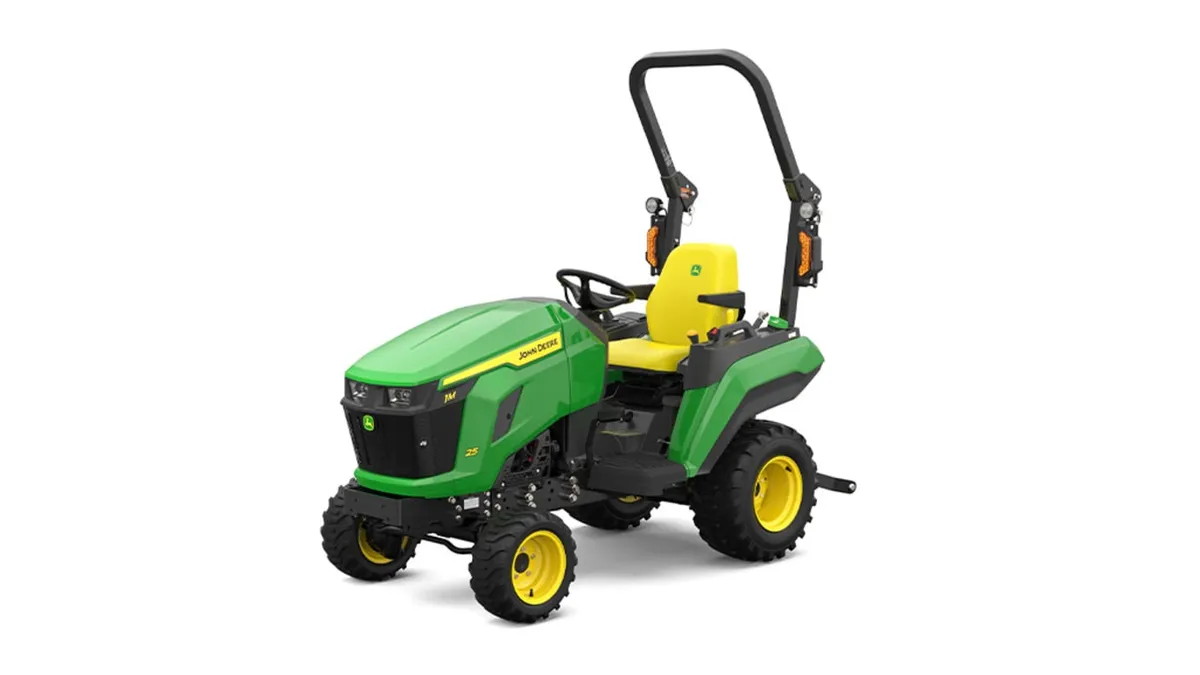
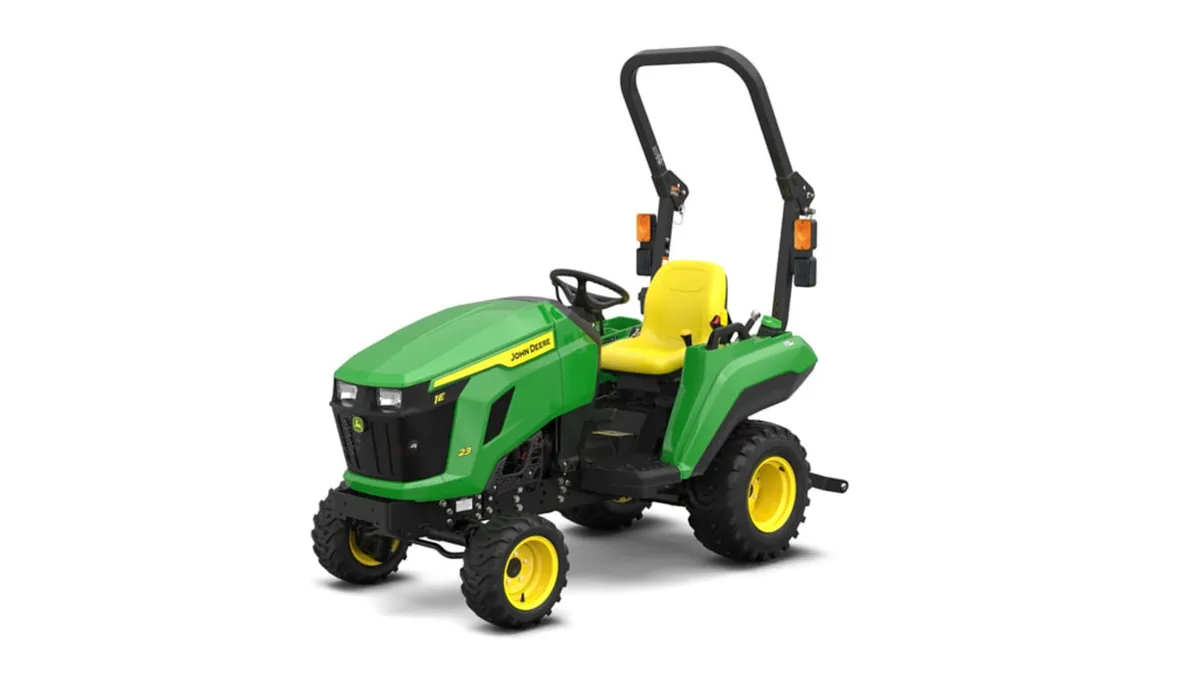
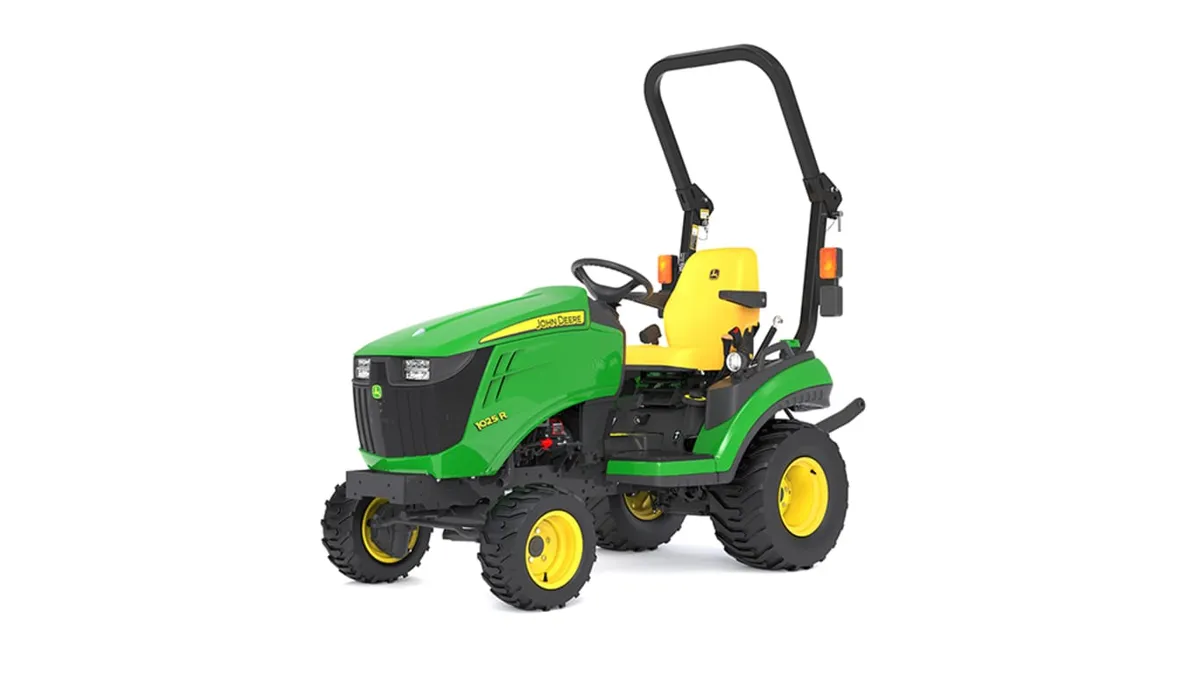
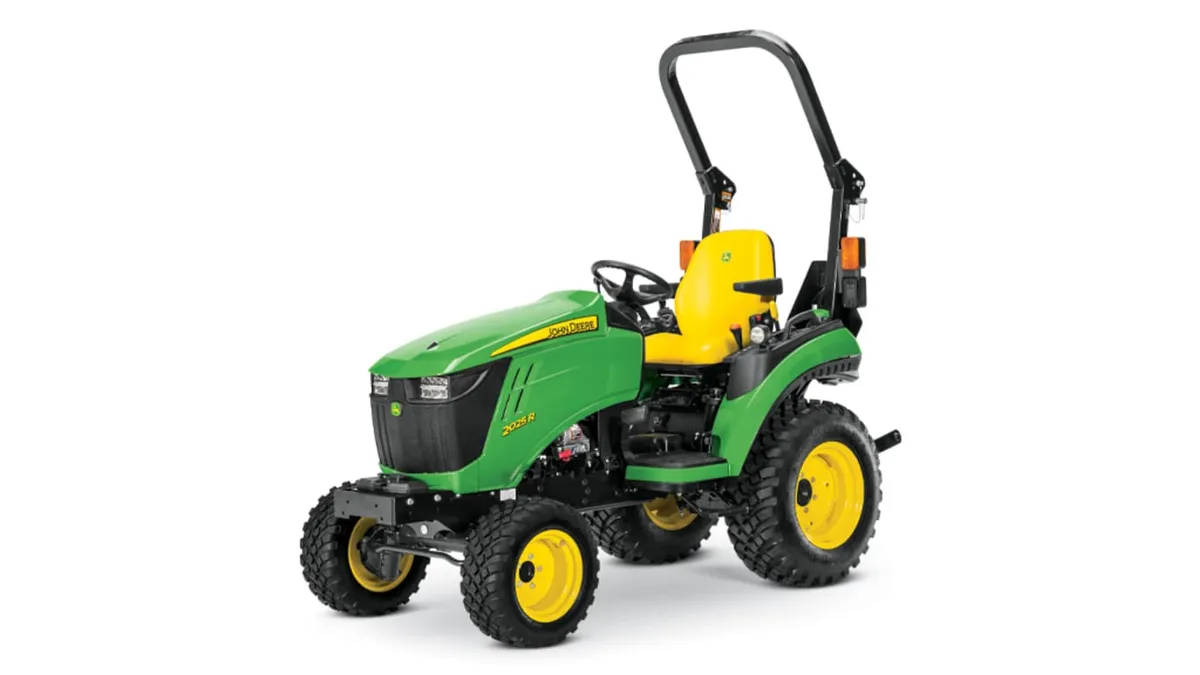
John Deere 1025R
America's best-selling sub-compact. Pairs with a loader and 60" mid-mount mower right from the factory.
Best for: First-time owners, hobby farms, and large residential lots up to ~10 acres.
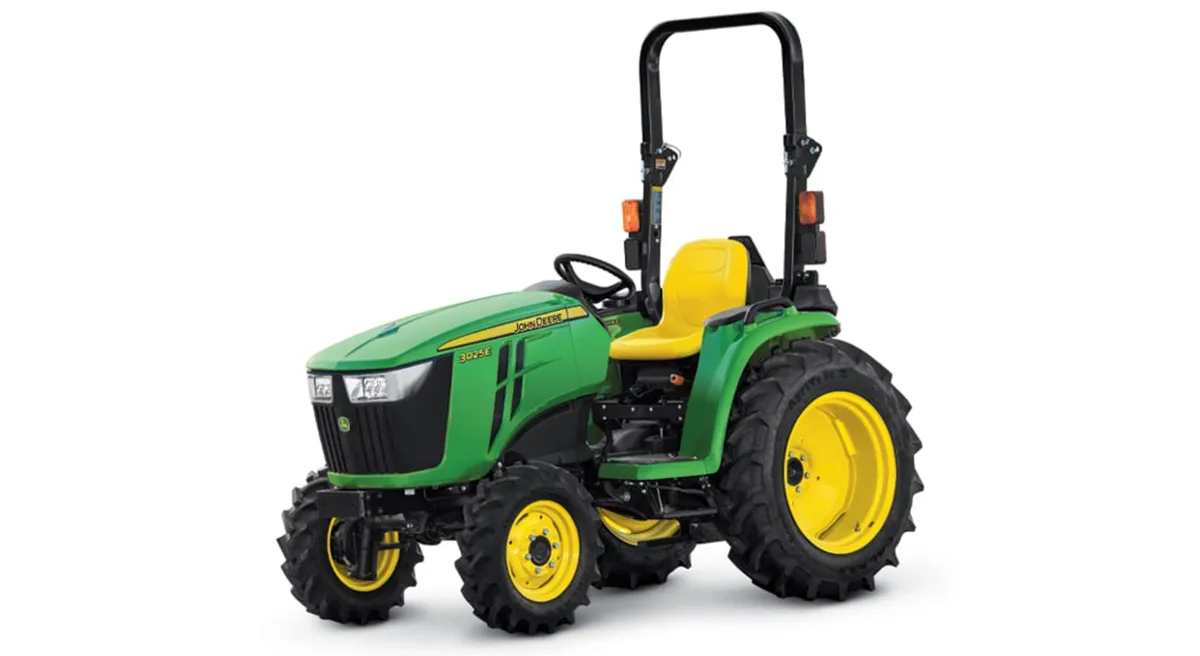
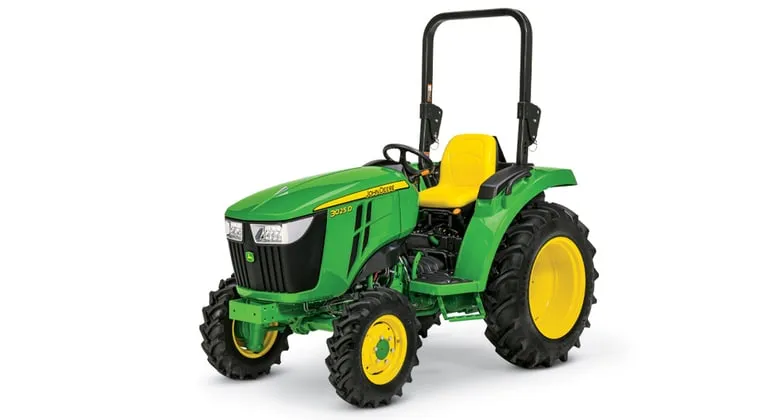
John Deere 3025E
25 HP economy compact with a strong loader capacity. Steps up from the 1 Series without stepping up the price significantly.
Best for: Property owners running box blades, tillers, or a mid-mount mower on 5–25 acres.
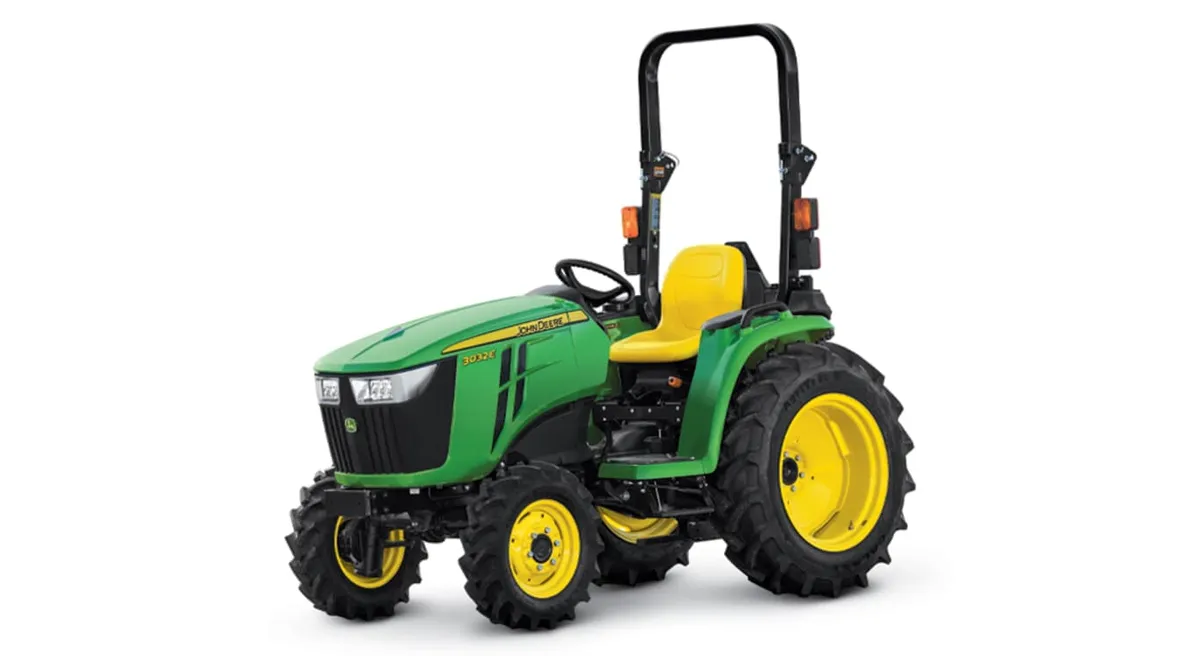
John Deere 3038E
38 HP economy compact with a rear PTO and 3-point hitch rated for more demanding attachments than the 3025E.
Best for: Small livestock operations, hay groundwork, and owners who need more lift capacity.
John Deere 4066R
The top of the compact utility range. Cab-optional, 66 HP, and capable of running loader work all day without straining.
Best for: Large-acreage hobby farms and small commercial operations that need full-day capability.
John Deere 5075E
Deere's entry-level utility tractor. Reliable, simple, and broadly compatible with mid-mount implements and loaders.
Best for: Livestock farmers, hay producers, and general farm tasks in the 75 HP class.
John Deere 5100E
100 HP without the cost of premium technology packages. Straightforward mechanical tractor that's easy to service.
Best for: Small-to-mid farms that need reliable power and low complexity.
John Deere 6R 155
Mid-range 6R with CommandPRO joystick and AutoPowr IVT transmission. Designed for long days doing varied work.
Best for: Professional farmers and mixed operations who run loaders, balers, and front blades daily.
John Deere 8R 310
310 HP row crop powerhouse with full precision ag integration. Represents the core of the 8R line in terms of capability per dollar.
Best for: Large commodity grain and row crop farms running planting, tillage, and spraying operations.
Want to compare specs side-by-side? Browse the full 161-model database below, filtered by category, sorted by horsepower.
Browse All Models →Explore John Deere Tractor Models
The database below covers 161 John Deere models, organized by category and sorted by horsepower. Each model page includes verified engine specs, transmission options, PTO output, hydraulics, and pricing where available.
Not sure where to start? Browse by:
- →Property size , match tractor class to your acreage
- →Primary task , loader work, mowing, hay, tillage, and more
- →Budget , see what each price range gets you across brands
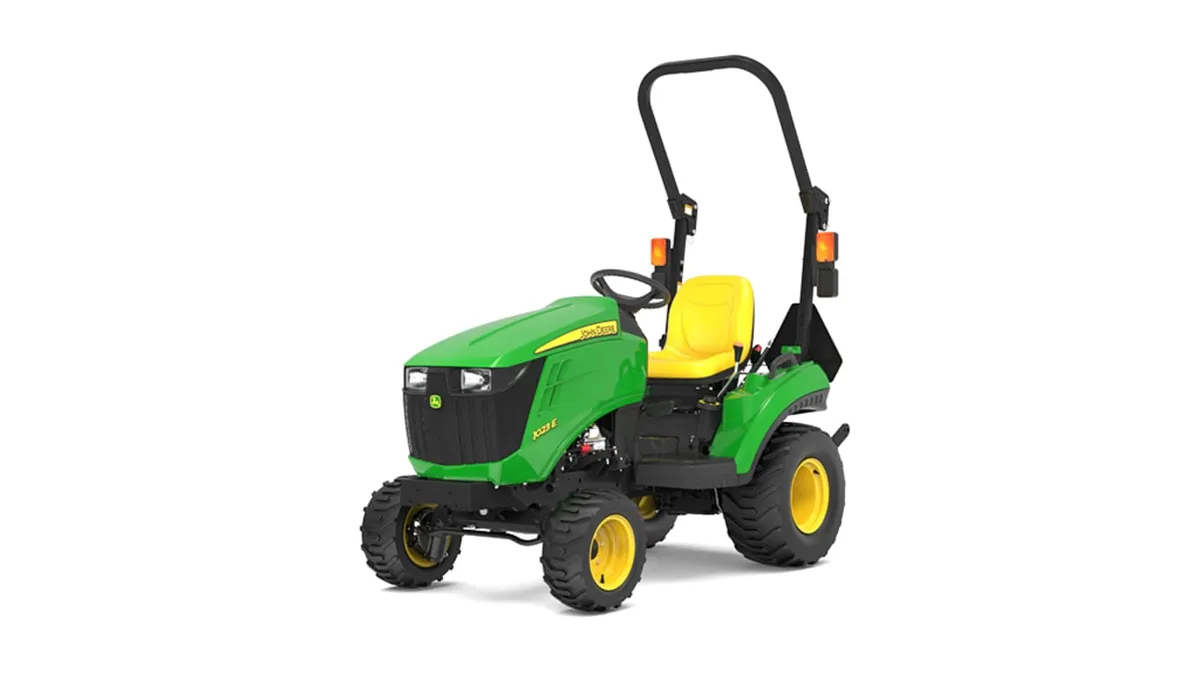
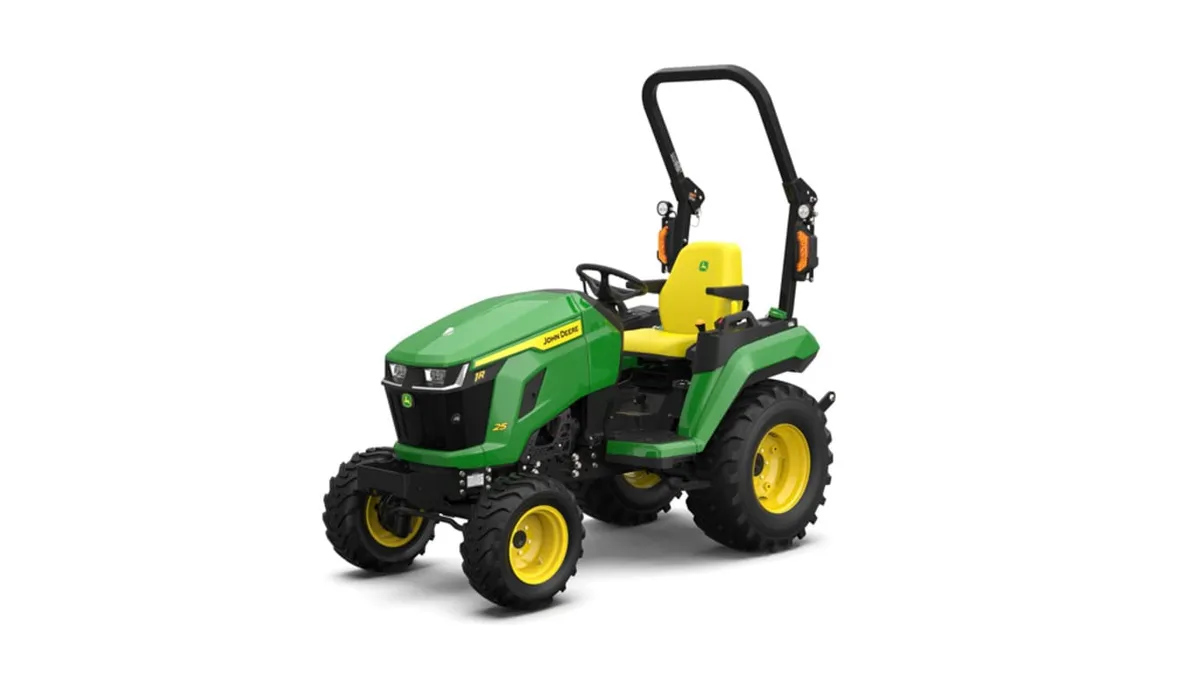
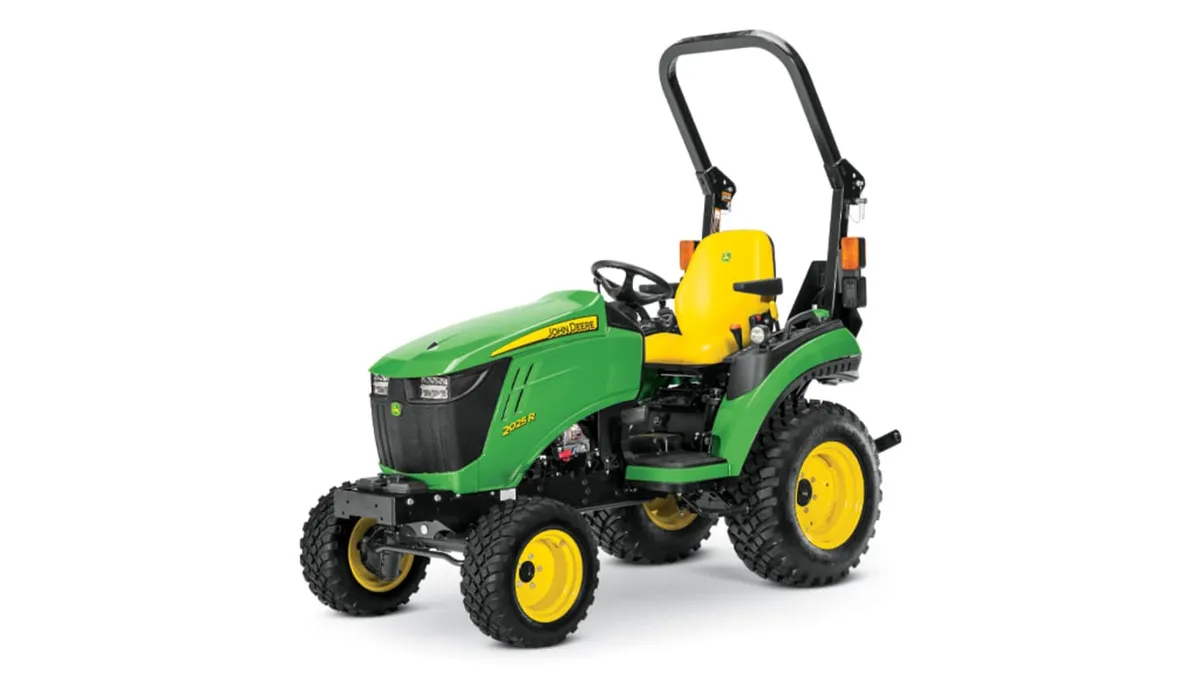
Sub-Compact Tractors
View all Sub-Compact →
Sub-CompactVerified
Sub-CompactVerified
Sub-CompactVerified
Sub-CompactVerified
Sub-CompactVerifiedShowing 6 of 8 sub-compact tractors
View all 8 →Compact Tractors
View all Compact →Showing 6 of 21 compact tractors
View all 21 →Utility Tractors
View all Utility →Showing 6 of 66 utility tractors
View all 66 →Industrial Tractors
View all Industrial →Lawn Tractors
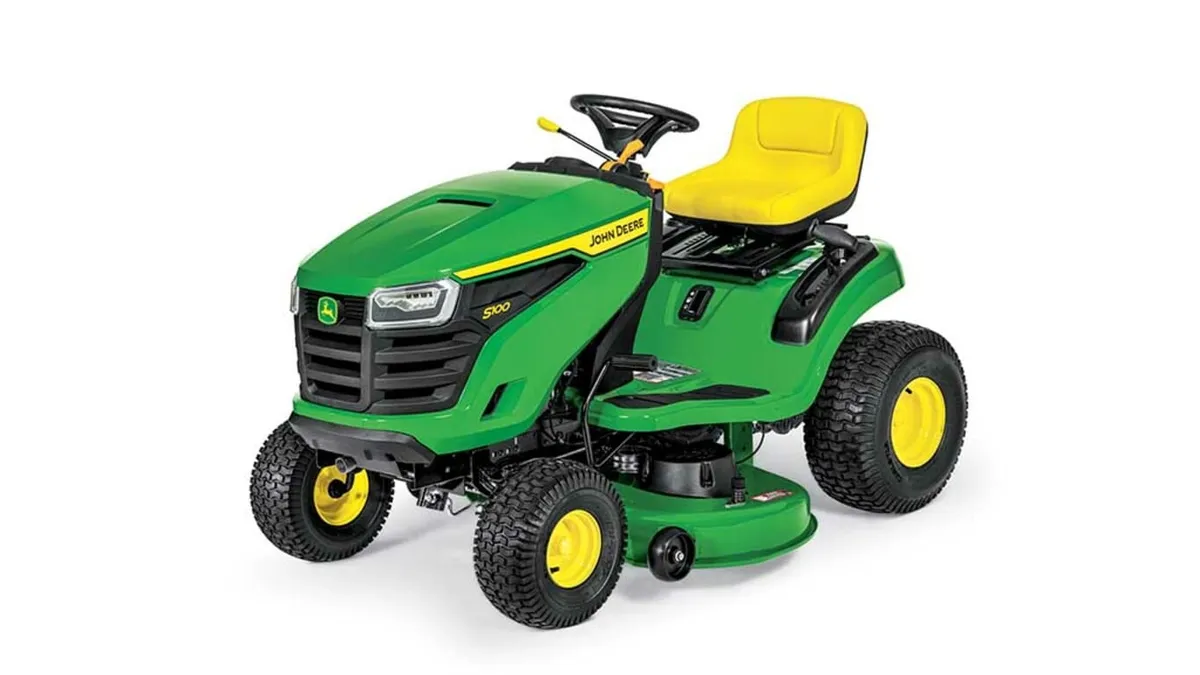
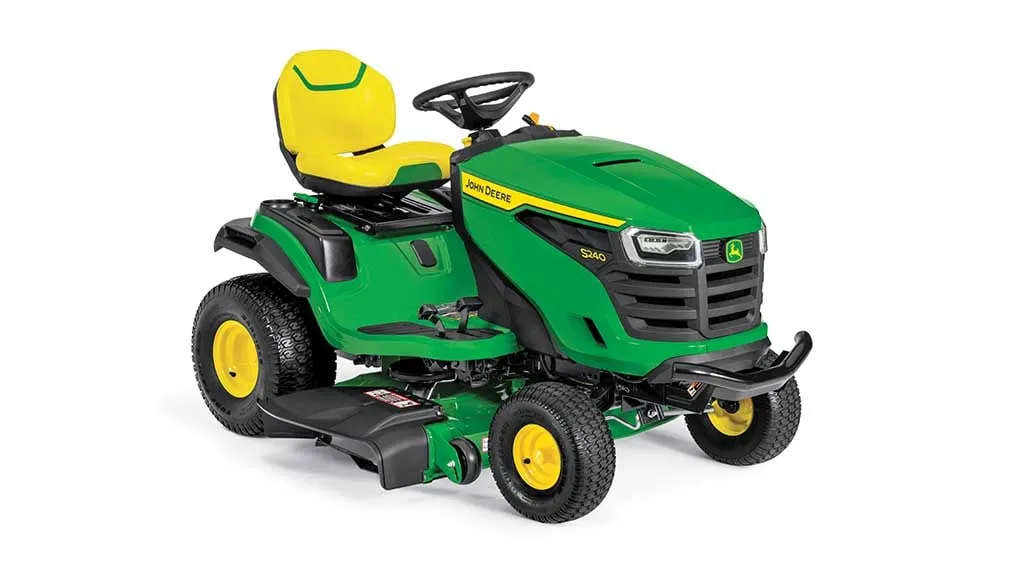
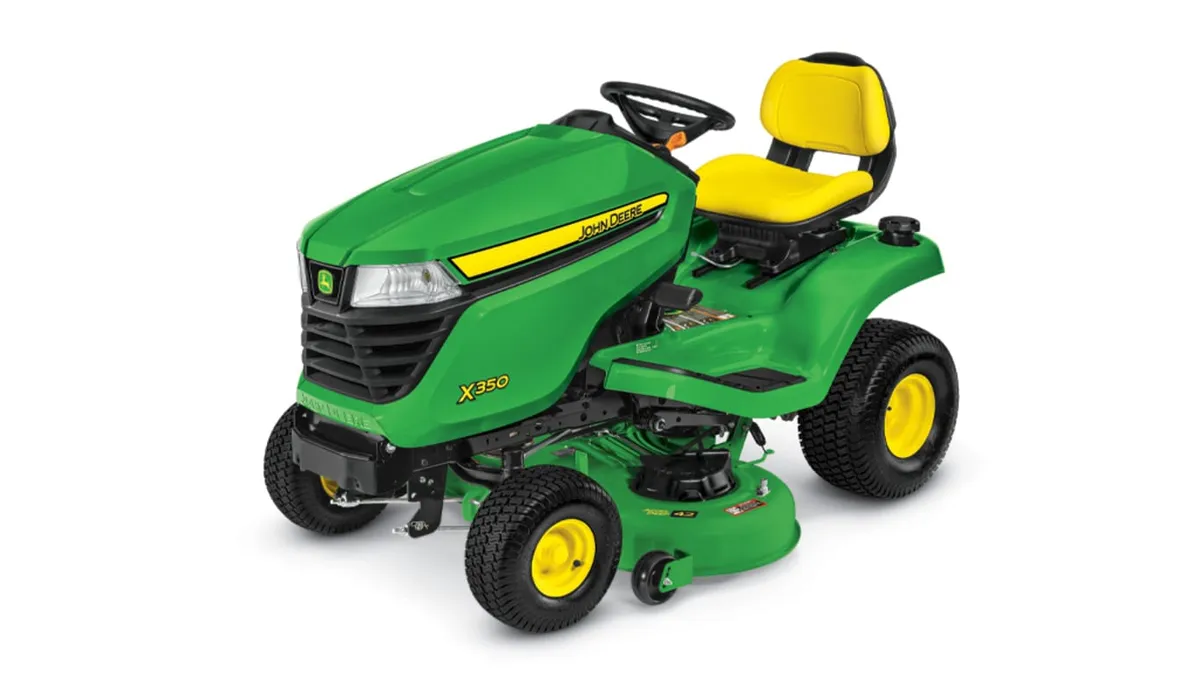
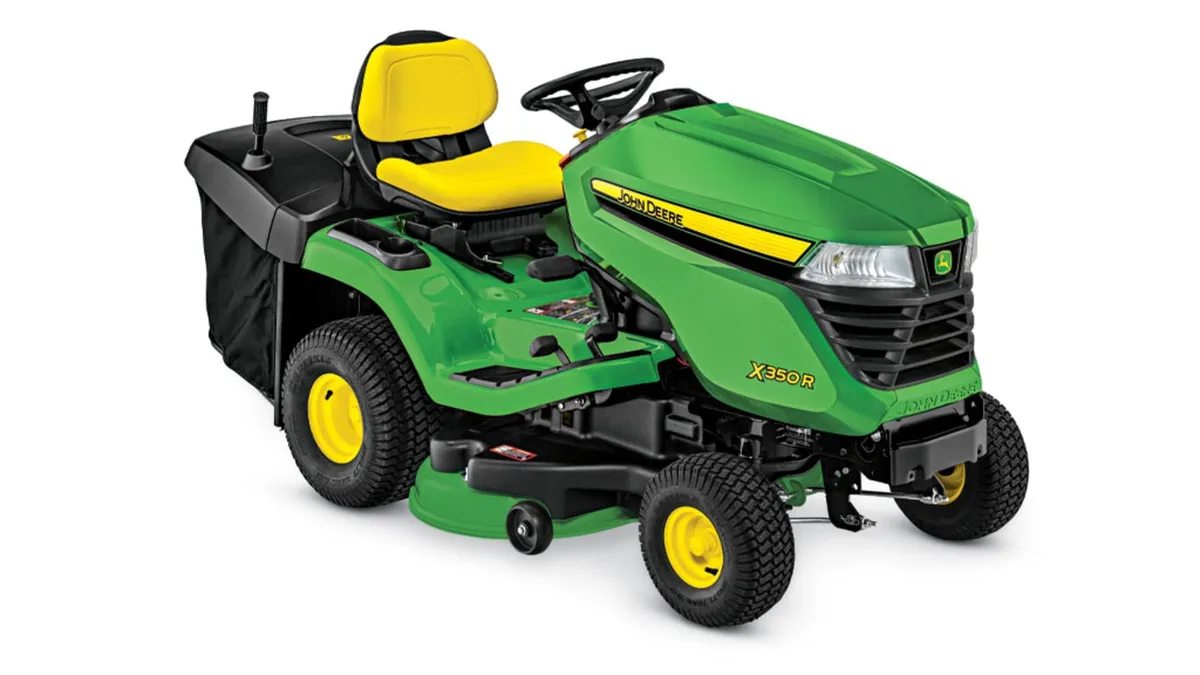
View all Lawn →Showing 6 of 60 lawn tractors
View all 60 →Still narrowing it down? Our buying guides can help you match the right horsepower class and category to your specific situation.
Which John Deere Is Right for You?
Use this as a quick-reference guide. For a deeper breakdown, choosing by acreage and matching a tractor to your tasks cover the decision in more detail.
SSmall Farms & Hobby Operations
- →Under 10 acres: the 1025R is the benchmark, loader-ready, mower-compatible, dealer-supported everywhere
- →10–25 acres: the 3025E or 3038E adds muscle for heavier attachments
- →All compact models support the iMatch quick-hitch system and Deere's full compact implement catalog
- →Hydrostatic transmission is standard or available on most, important for first-time owners
LLarge-Scale Farm Operations
- →Livestock and mixed operations: the 5075E or 5100E handles daily utility work without over-speccing
- →Row crop and grain: the 8R Series is built for planting, tillage, and hauling at scale
- →AutoTrac GPS, JDLink telematics, and Section Control are available across the 6R, 7R, and 8R lines
- →Precision ag features require a paid Operations Center subscription for full functionality
BFirst-Time Tractor Buyers
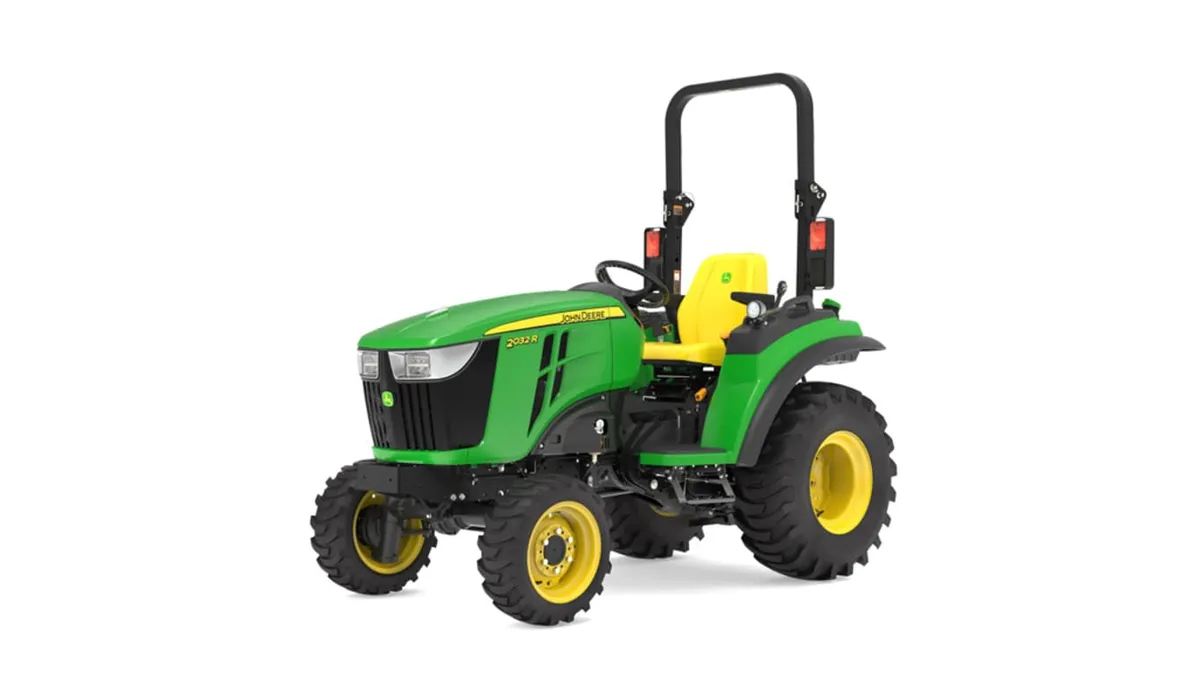
- →The 1025R and 2032R are the most beginner-friendly models: hydrostatic drive, factory loader packages, and excellent dealer support
- →Hydrostatic transmission eliminates the clutch learning curve entirely
- →John Deere's dealer density means help is nearby when something needs attention
- →Not sure how much HP you actually need? See our guide on matching tractor size to acreage
$Budget-Conscious Buyers
- →John Deere is not the value brand, if budget is the top priority, consider Kubota, LS Tractor, or New Holland first
- →Within Deere's lineup, the E Series (e.g., 3038E, 5075E, 5100E) offers fewer features at lower price points
- →Certified Pre-Owned programs at JD dealers offer inspected, warranted used machines
- →Strong resale values cut both ways: used Deeres hold their price, so used doesn't always mean cheap
Find a John Deere Dealer
Near You
Search our dealer directory by ZIP code. Sponsored John Deere dealers appear first, with full contact details, services offered, and brands carried.
Or browse all dealers using your current location →ZIP & GPS Search
Find dealers within any radius of your location
Sponsored First
Featured dealers surface at the top of every search
Direct Contact
Phone, address, and website on every listing
Services Listed
Sales, parts, service, and financing noted per dealer
John Deere vs. Other Brands
The right brand depends on your priorities. Here's who John Deere competes with and why the comparison matters.
John Deere vs. Kubota →
John Deere vs Kubota — compare models, pricing, dealer networks, and reliability across sub-compact, compact, and utility segments. Find which brand is right for your operation.
John Deere vs. New Holland →
John Deere vs New Holland — compare pricing, models, dealer support, and reliability. New Holland offers 5–15% lower prices on comparable utility tractors. See which brand fits your budget and operation.
John Deere vs. Case IH →
John Deere vs Case IH — the two most iconic American ag brands head to head. Compare large ag lineups, precision farming tech, pricing, and dealer support to find which red or green brand wins for your operation.
John Deere vs. Massey Ferguson →
John Deere vs Massey Ferguson — compare pricing, reliability, dealer support, and resale value. Massey Ferguson offers strong practical value at a lower price point than John Deere. Full segment breakdown inside.
John Deere vs. Mahindra →
John Deere vs Mahindra — compare pricing, quality, dealer support, and resale value. Mahindra offers 15–25% lower prices for comparable HP. See which brand is right for your budget and use case.
John Deere: A Brief History
Blacksmith John Deere develops the first self-scouring steel plow in Grand Detour, Illinois, solving the problem of cast iron plows clogging in Midwestern prairie soil.
Deere relocates to Moline, Illinois on the Mississippi River. The company incorporates as Deere & Company in 1868.
Deere enters the tractor market by acquiring the Waterloo Gasoline Engine Company (makers of the Waterloo Boy tractor) giving the company an immediate manufacturing base and established product.
The two-cylinder "Johnny Popper" era. Generations of farmers run these tractors for their simplicity and long service life.
Deere Day in Dallas: the "New Generation" tractors debut with four- and six-cylinder engines, a complete break from the two-cylinder tradition.
The Sound Gard cab sets a new industry standard for operator comfort and noise reduction.
Deere acquires GPS and precision agriculture technology companies, positioning the brand as the leading tech integrator in large-scale farming.
Deere & Company (NYSE: DE) manufactures in the US, Germany, Brazil, India, and elsewhere. Key US plants: Waterloo, Iowa (large ag), Augusta, Georgia (compact utility), Horicon, Wisconsin (compact).
Frequently Asked Questions
Are John Deere tractors worth the premium price?
For many buyers, yes. Strong resale values, an unmatched dealer network, and comprehensive parts support often justify the higher purchase price over the ownership period. Buyers who trade frequently or rely on quick dealer service see the clearest benefit.
What is John Deere best known for?
The largest dealer network in North American agriculture, industry-leading resale values, consistent build quality across a wide lineup, and increasingly advanced precision ag technology.
How reliable are John Deere tractors?
Generally strong across the lineup. Compact models use proven Yanmar engines; larger tractors run John Deere's own powerplants. Longevity depends heavily on maintenance, and Deere's dealer density makes it easy to stay on schedule.
What is the difference between John Deere E, M, and R series?
Within a horsepower class: E Series is economy (fewer features, lower price), M Series is mid-tier, R Series is premium with the most technology, cab comfort, and performance options. The same suffix system appears across compact, utility, and large ag segments.
Does John Deere make their own engines?
John Deere manufactures engines for larger tractors at their Waterloo, Iowa facility. Compact and sub-compact models typically use Yanmar diesel engines, which are well-regarded for fuel efficiency and reliability.
Where are John Deere tractors built?
Main US plants: Waterloo, Iowa (large row crop), Augusta, Georgia (compact utility), Horicon, Wisconsin (smaller compacts). Deere also manufactures in Germany, Brazil, India, and other countries.
What warranty does John Deere offer?
Coverage varies by model. Typical baseline is 2 years or 2,000 hours bumper-to-bumper with extended powertrain protection available. Confirm current terms with your dealer, programs change.