IndustrialVerifiedIndustrial Tractors
Maximum durability and productivity for commercial fleets and large-scale operations.
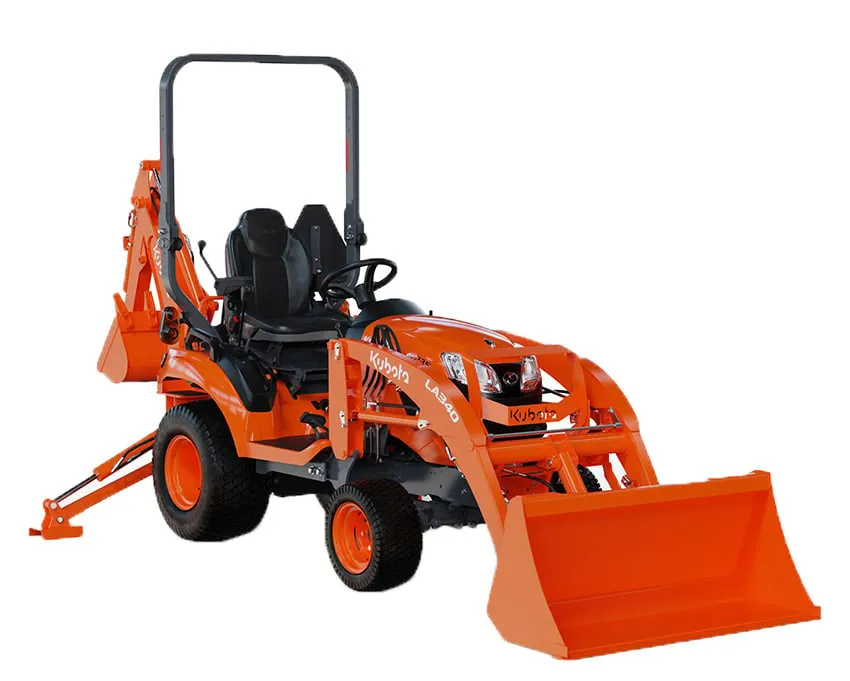
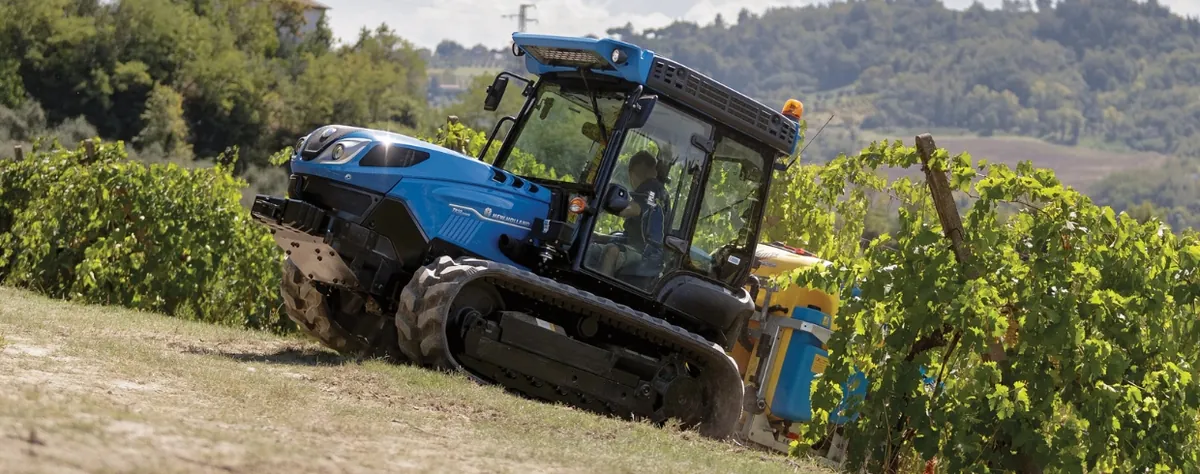
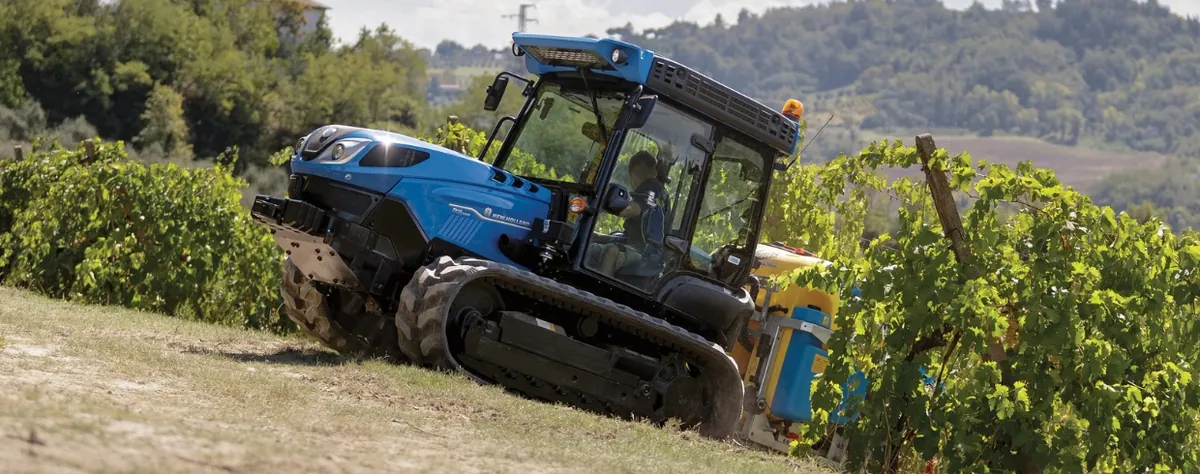
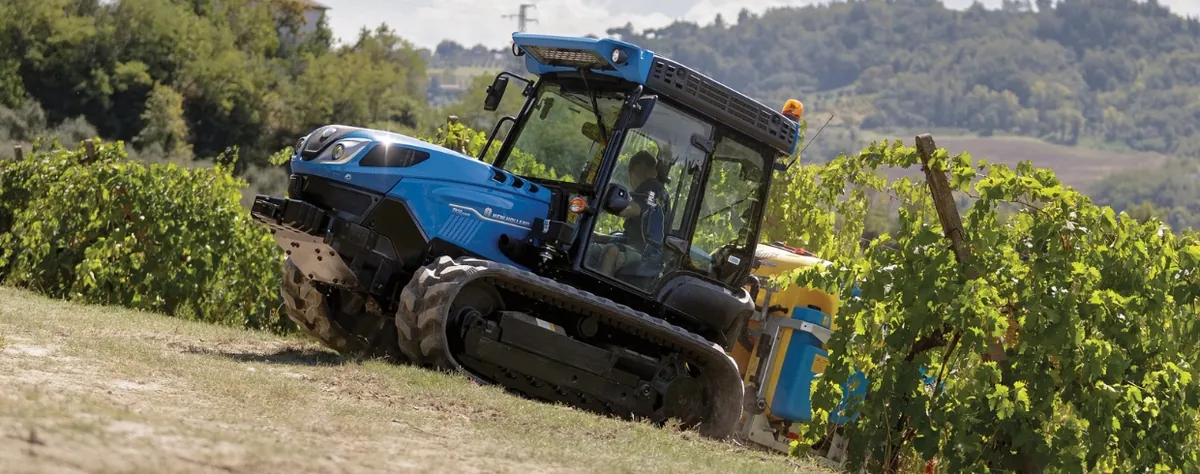
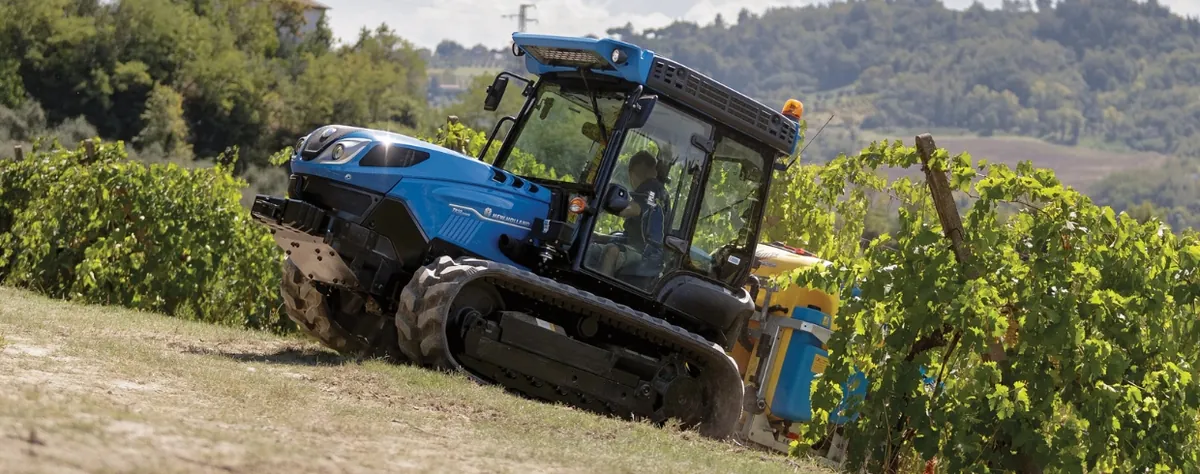
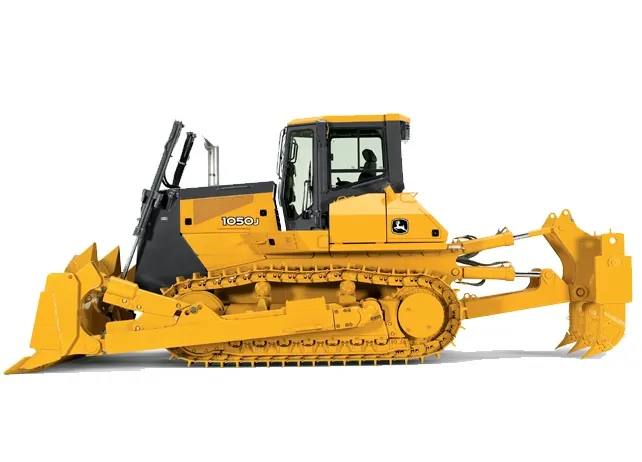
Industrial tractors represent the heavy end of the tractor spectrum, engineered for commercial, municipal, and large-scale agricultural applications requiring maximum durability and power. Typically ranging from 75 to over 200 horsepower, these machines feature reinforced frames, industrial-grade powertrains, and hydraulic systems designed for continuous demanding operation. Industrial tractors power commercial mowing fleets, municipal maintenance operations, construction site preparation, and large farming enterprises. Leading manufacturers including John Deere, New Holland, Case IH, and Kubota offer industrial-rated models with prices ranging from $50,000 to well over $150,000 depending on configuration. For operations where productivity and uptime directly impact profitability, industrial tractors deliver the performance and reliability that commercial users demand.
Start Here
Utility Tractor Buying Guide
Professional-grade tractor selection. Read the guide first, then compare every industrial model below.
Showing 24 of 52 industrial tractors
IndustrialVerified28 more industrial models to explore
What Industrial Tractors Are Best For
Industrial tractors serve commercial landscaping companies, municipalities, large farms, and any operation requiring maximum productivity and durability from their equipment. If you're mowing commercial properties, maintaining highway rights-of-way, preparing construction sites, or farming hundreds of acres, industrial tractor capabilities become necessities rather than luxuries. These machines are built for 2,000+ operating hours annually - workloads that would rapidly wear out lighter equipment. The heavy-duty components, advanced serviceability features, and commercial warranties reflect expectations of professional, revenue-generating use. Many industrial tractor owners operate multiple units in fleets, making standardization, parts availability, and dealer support critical factors in brand selection.
What to Know Before Buying a Industrial Tractor
- 1Prioritize durability and serviceability - industrial tractors should feature reinforced frames, heavy-duty axles, and components designed for commercial duty cycles.
- 2Evaluate total cost of ownership - fuel efficiency, maintenance intervals, and parts costs matter significantly when operating 2,000+ hours annually.
- 3Consider fleet standardization - if operating multiple units, standardizing on one brand simplifies parts inventory, technician training, and maintenance procedures.
- 4Assess warranty coverage carefully - commercial warranties differ significantly from residential coverage. Understand hours limits, covered components, and deductibles.
- 5Plan for operator comfort - machines running all day need quality seats, climate control, and ergonomic controls. Operator fatigue affects both productivity and safety.
- 6Verify dealer commercial support capabilities - response time for breakdowns, mobile service availability, and parts stock depth matter for revenue-generating equipment.
Frequently Asked Questions
What defines an industrial tractor versus a utility tractor?
Industrial tractors feature heavier construction, higher-capacity powertrains, and components rated for commercial duty cycles of 2,000+ hours annually. They're engineered for maximum uptime and durability rather than purchase price optimization.
How many hours can industrial tractors handle?
Quality industrial tractors routinely exceed 12,000-15,000 hours with proper maintenance. Many commercial operators keep machines for 15-20 years, accumulating 20,000+ hours before major overhauls. Industrial ratings mean components handle extended operation.
Are industrial tractors overkill for non-commercial use?
For personal use, industrial tractors exceed most requirements and carry substantial price premiums. However, buyers planning extremely heavy use or prioritizing maximum longevity may find the industrial rating provides peace of mind and eventual value.
What financing options exist for industrial tractors?
Commercial financing through manufacturers and agricultural lenders offers terms from 48-84 months. Lease options provide tax advantages for some businesses. Work with financial advisors to structure purchases optimally for your business situation.
How do I evaluate dealers for commercial equipment?
Assess parts inventory depth, service department capacity, mobile repair capabilities, and response time commitments. Request references from other commercial customers. The quality of dealer support often determines equipment productivity more than the brand selected.
What's the typical depreciation schedule for industrial tractors?
Industrial tractors typically depreciate 15-20% in year one, then 5-10% annually thereafter. Well-maintained machines with documented service histories retain value better. Commercial-rated equipment from premium brands holds value particularly well.