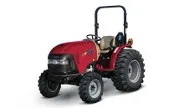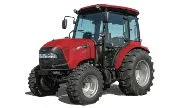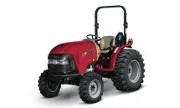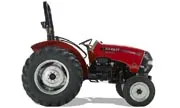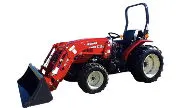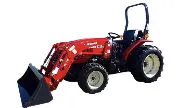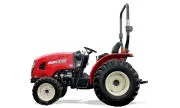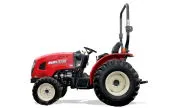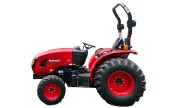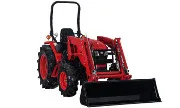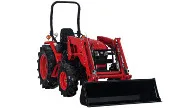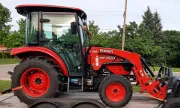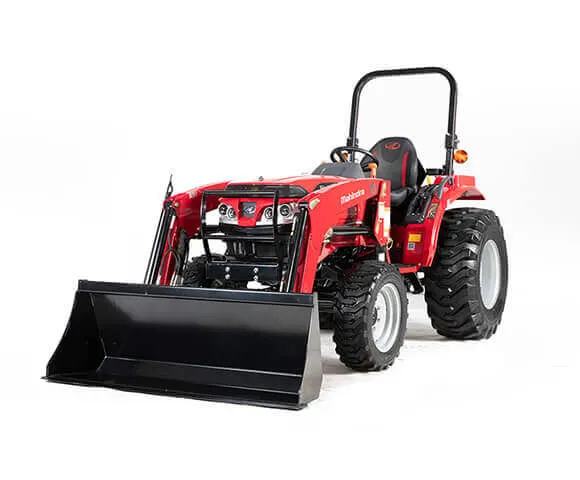
CompactVerifiedCompact Tractors
The workhorse choice for hobby farms, equestrian properties, and serious land management.
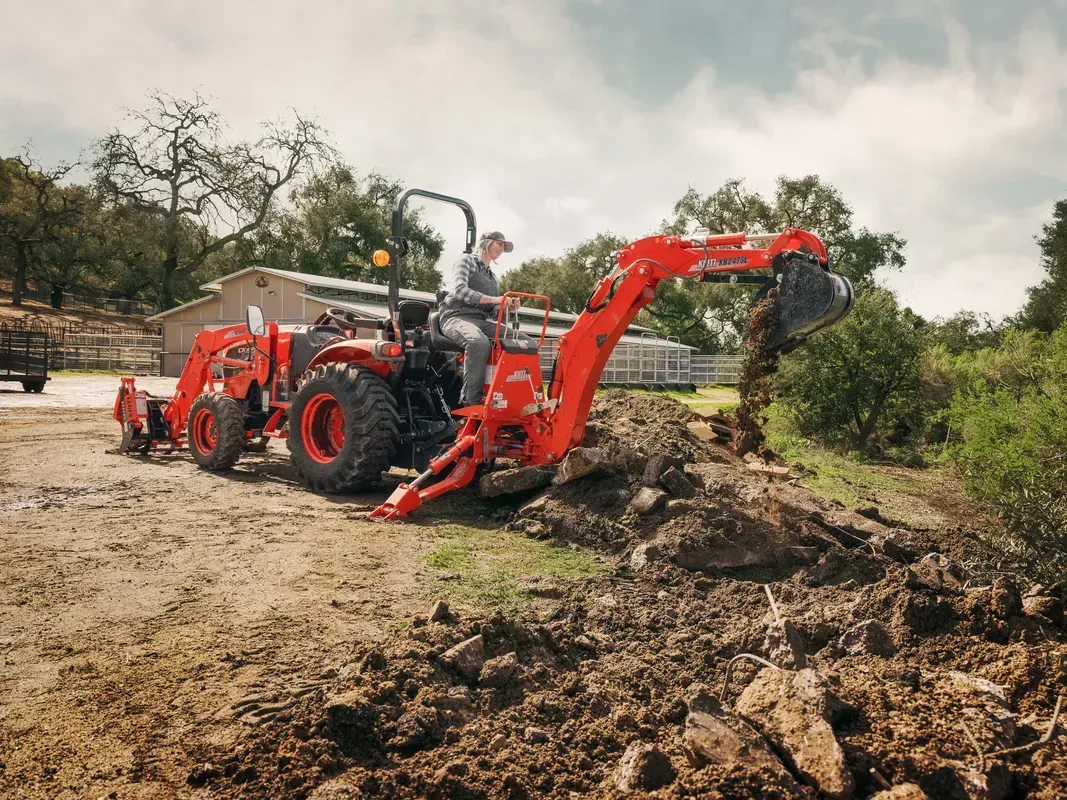
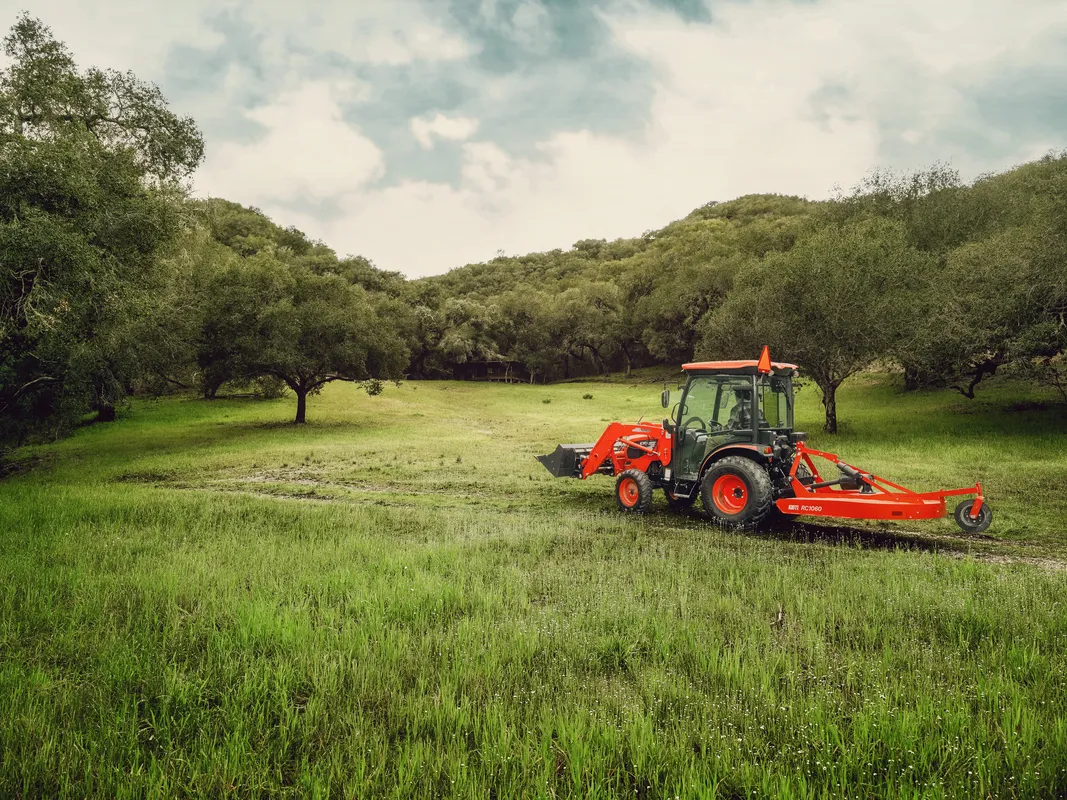
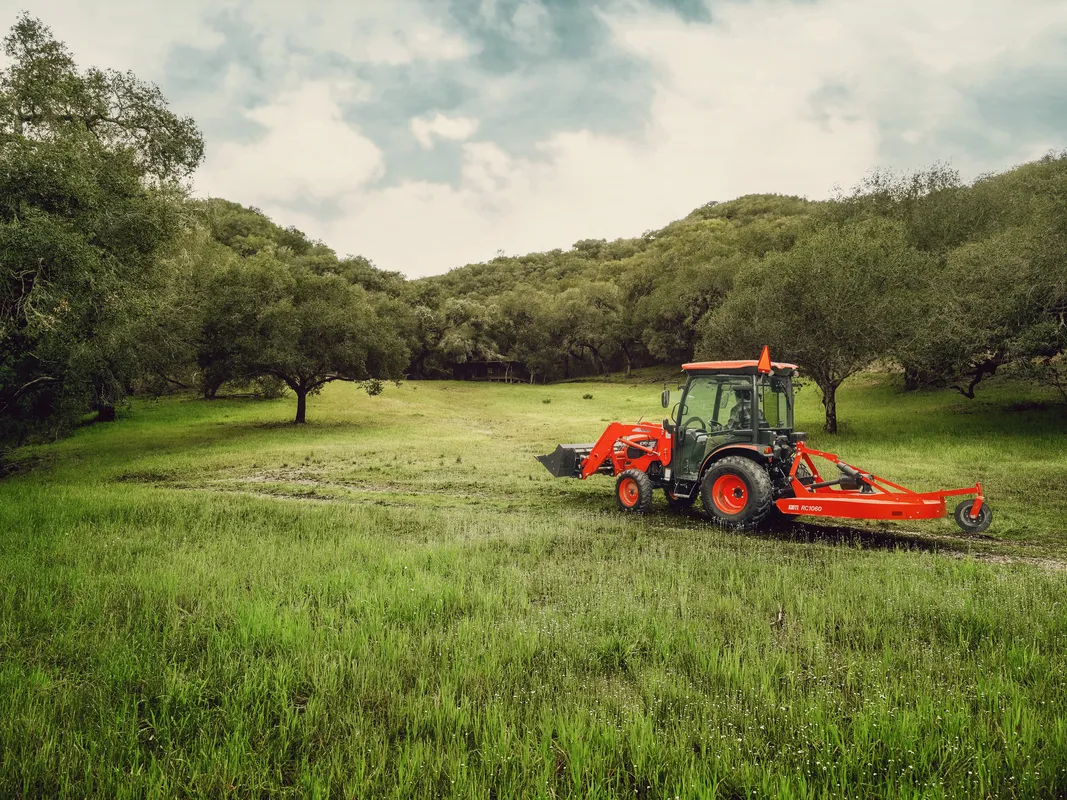
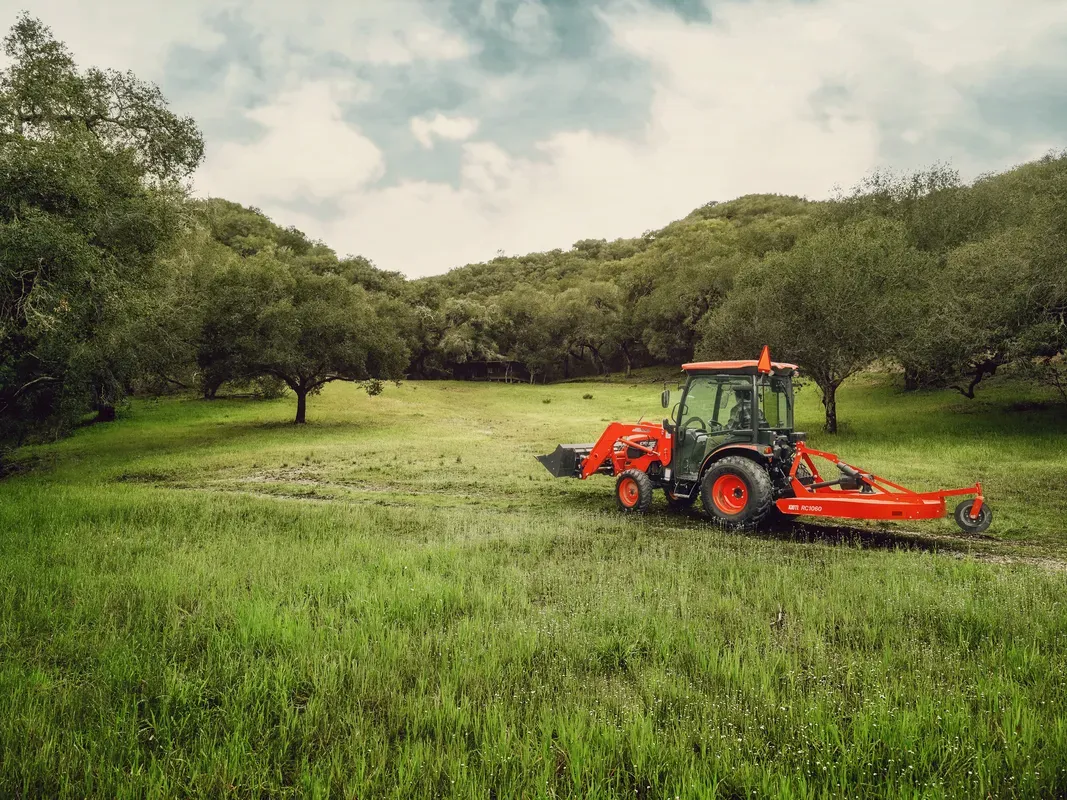
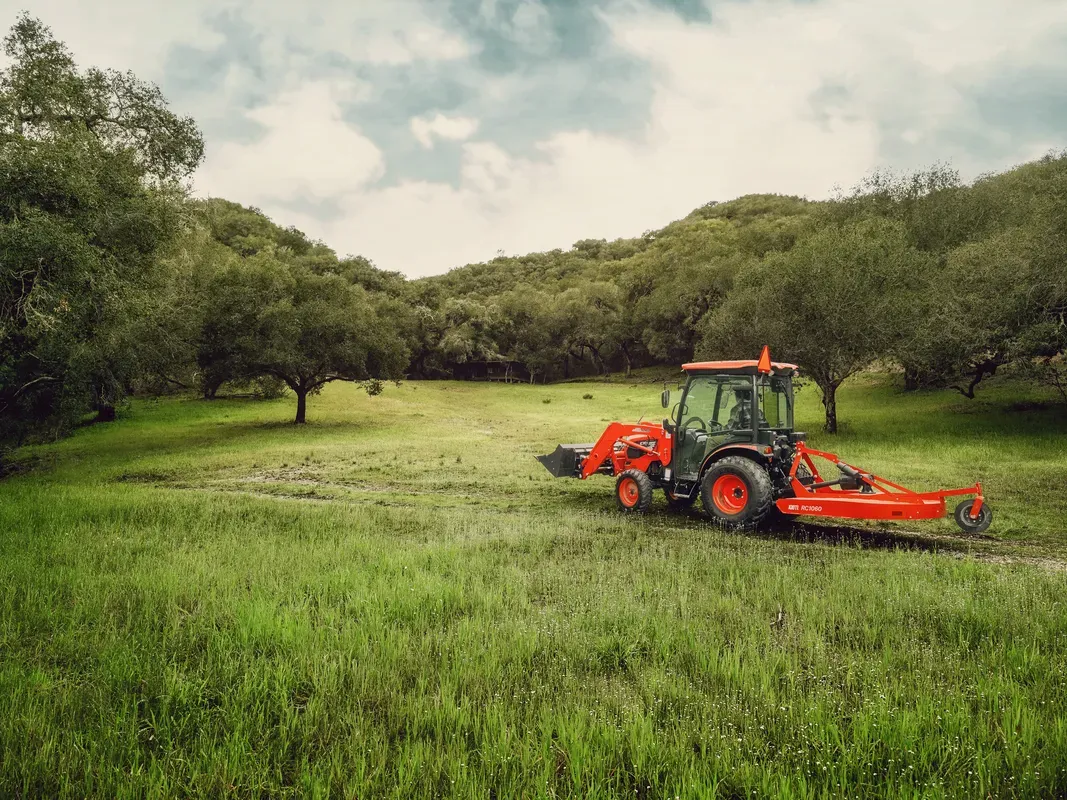
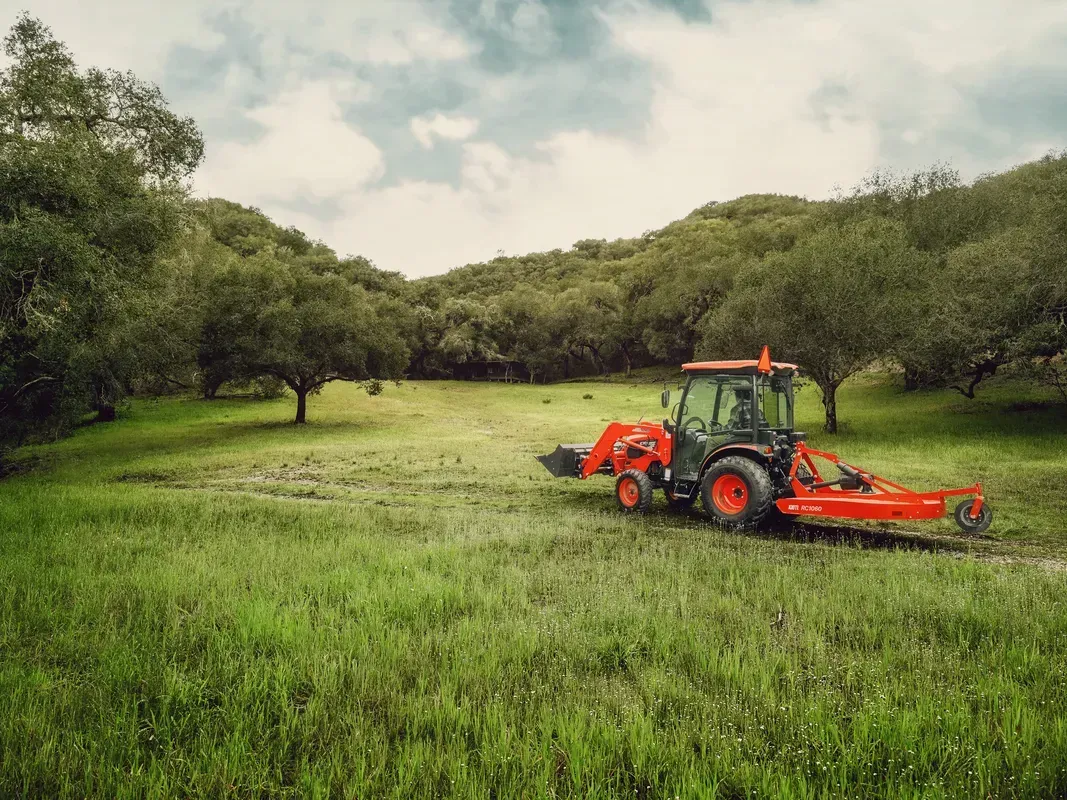
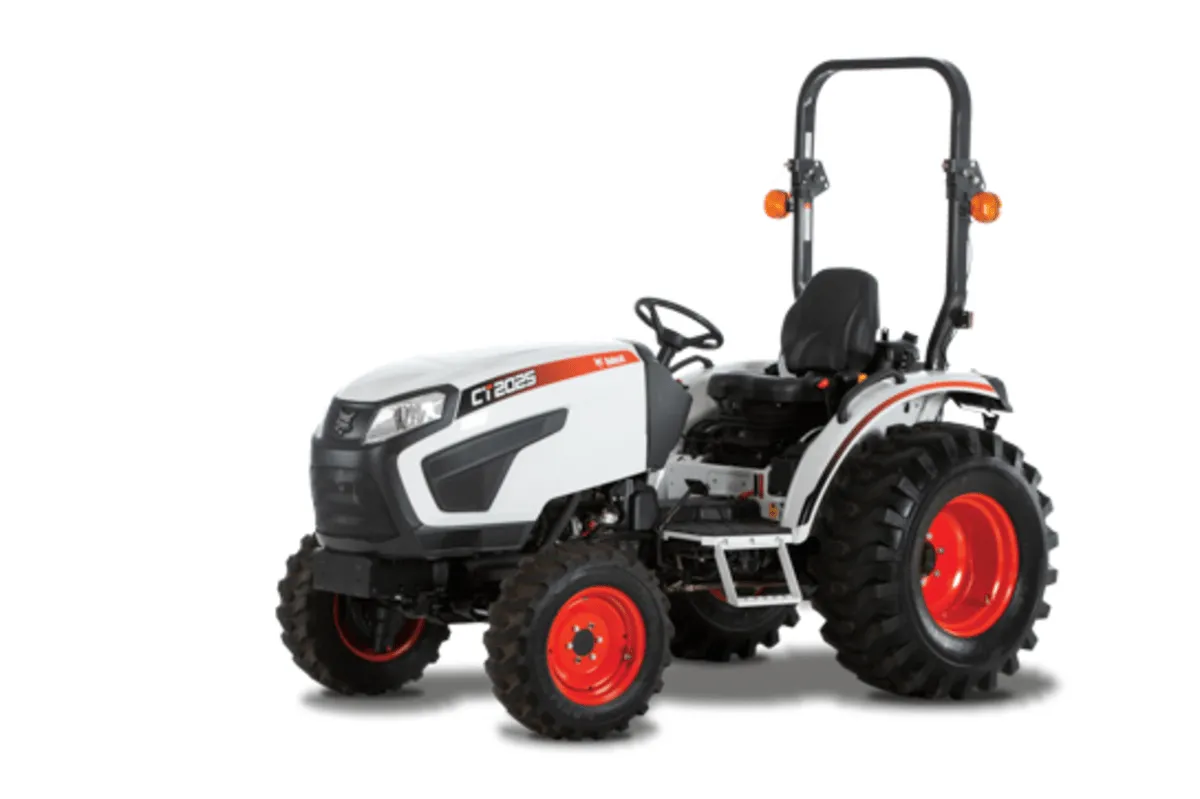
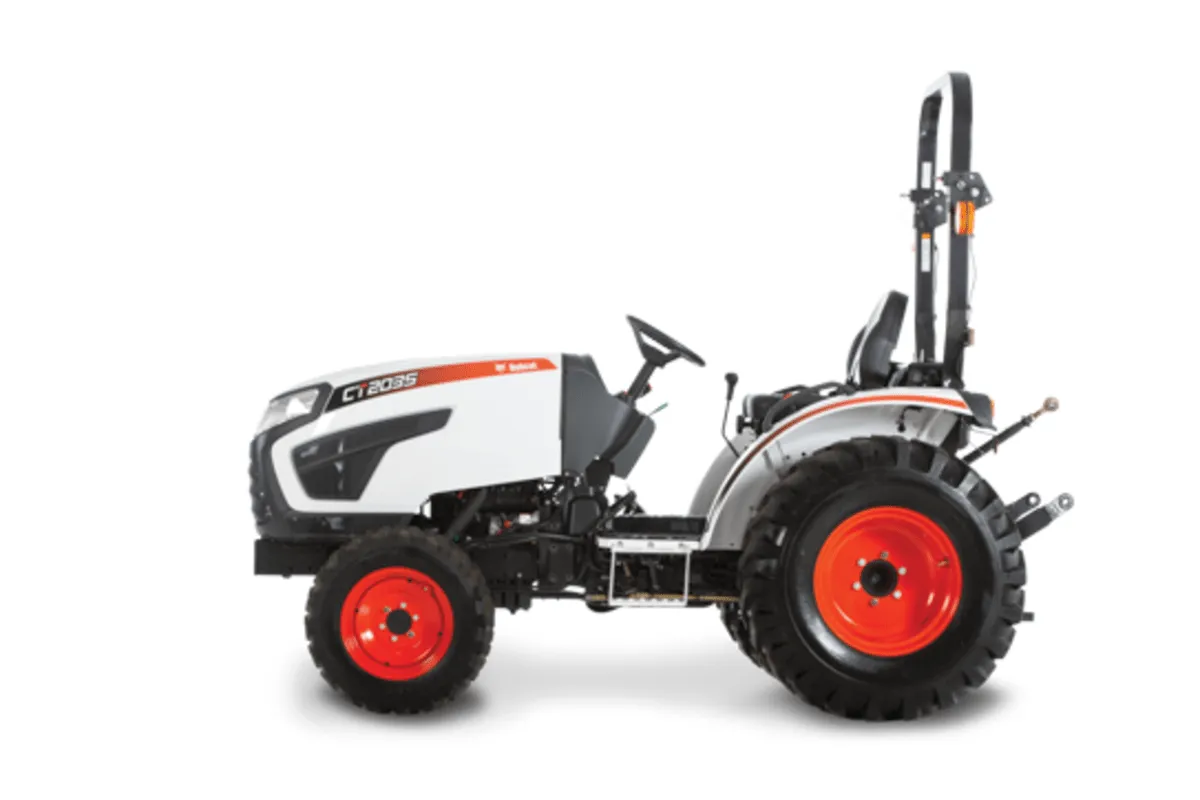
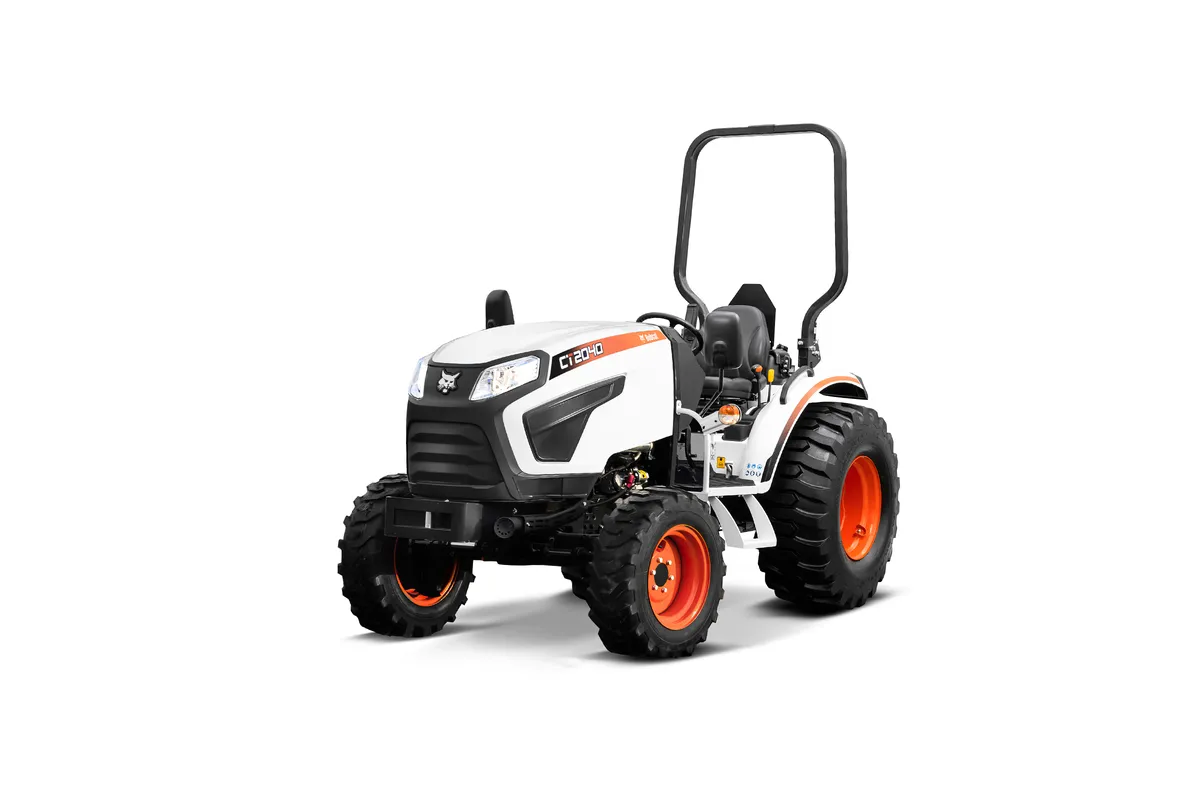
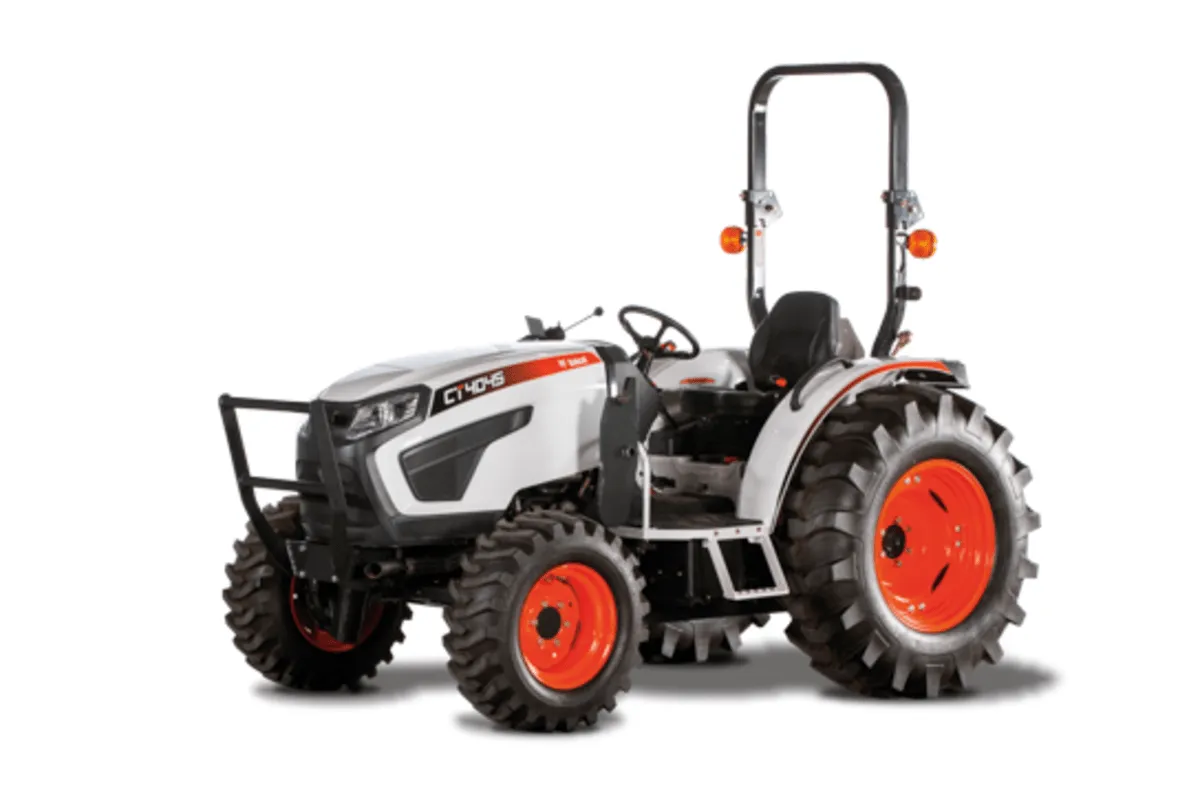
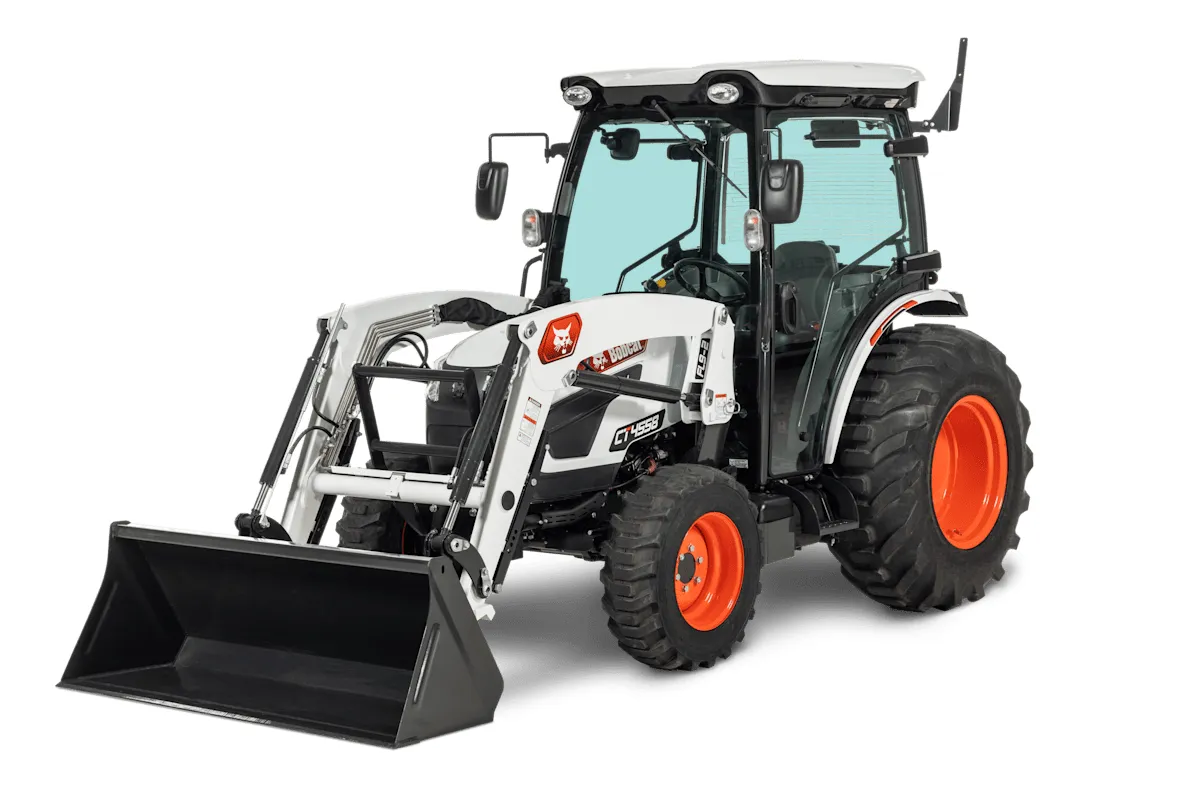
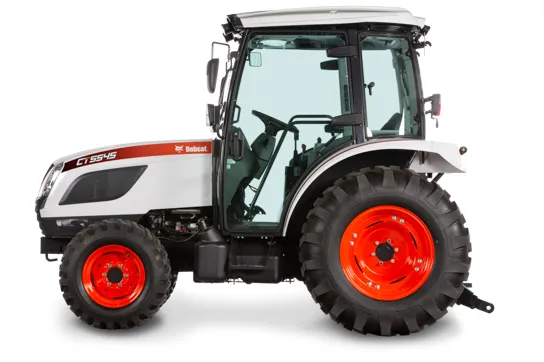
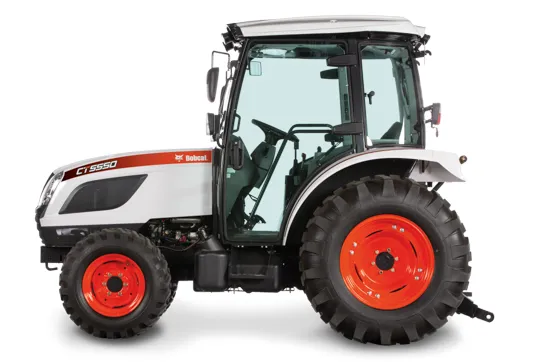
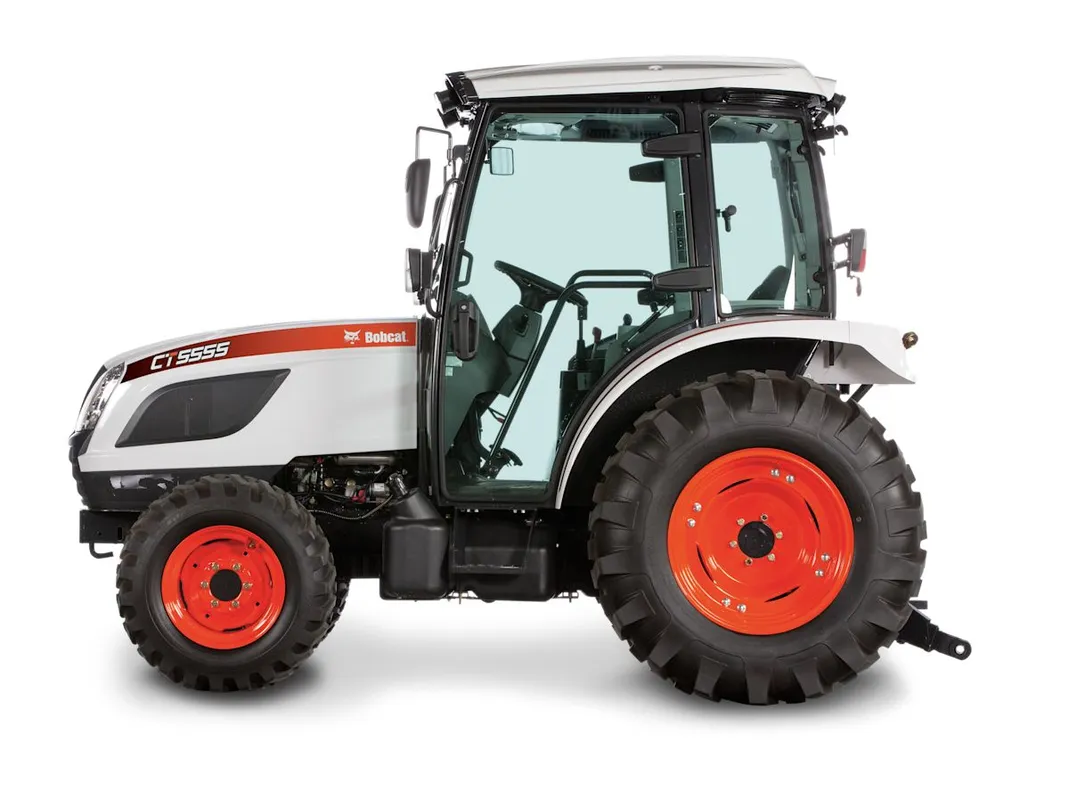
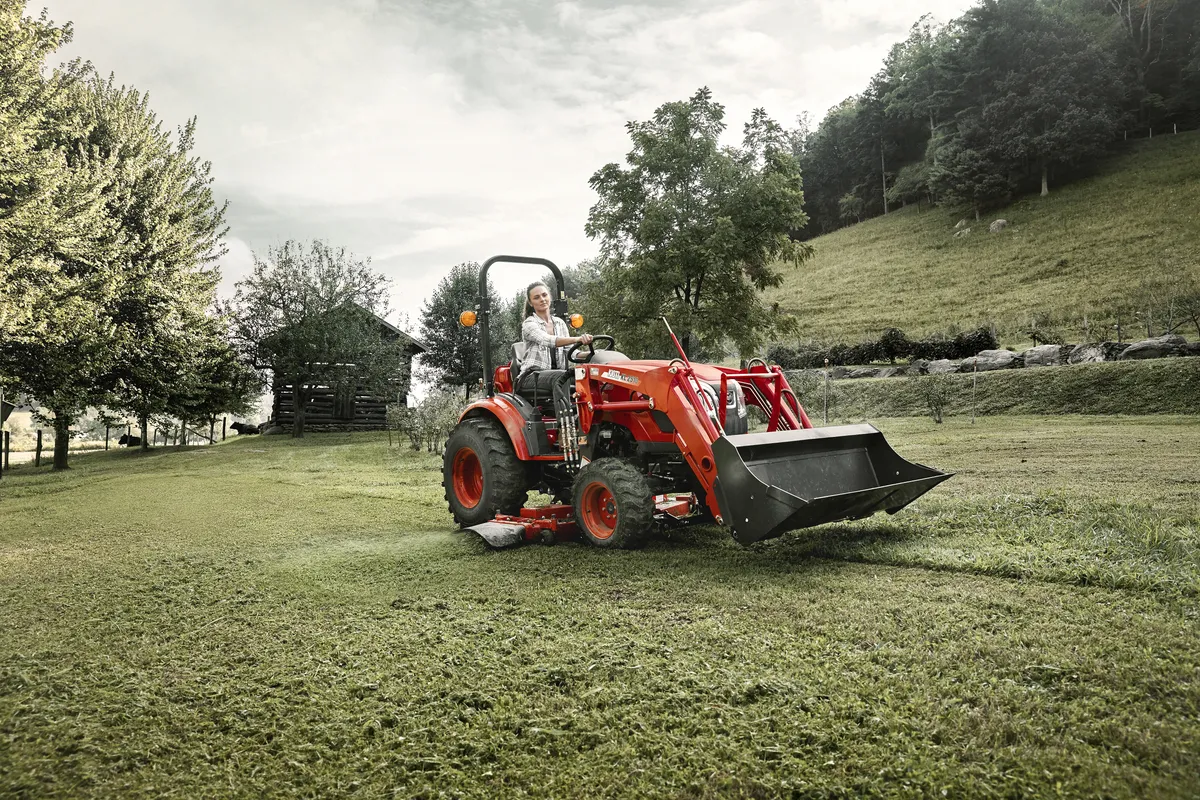
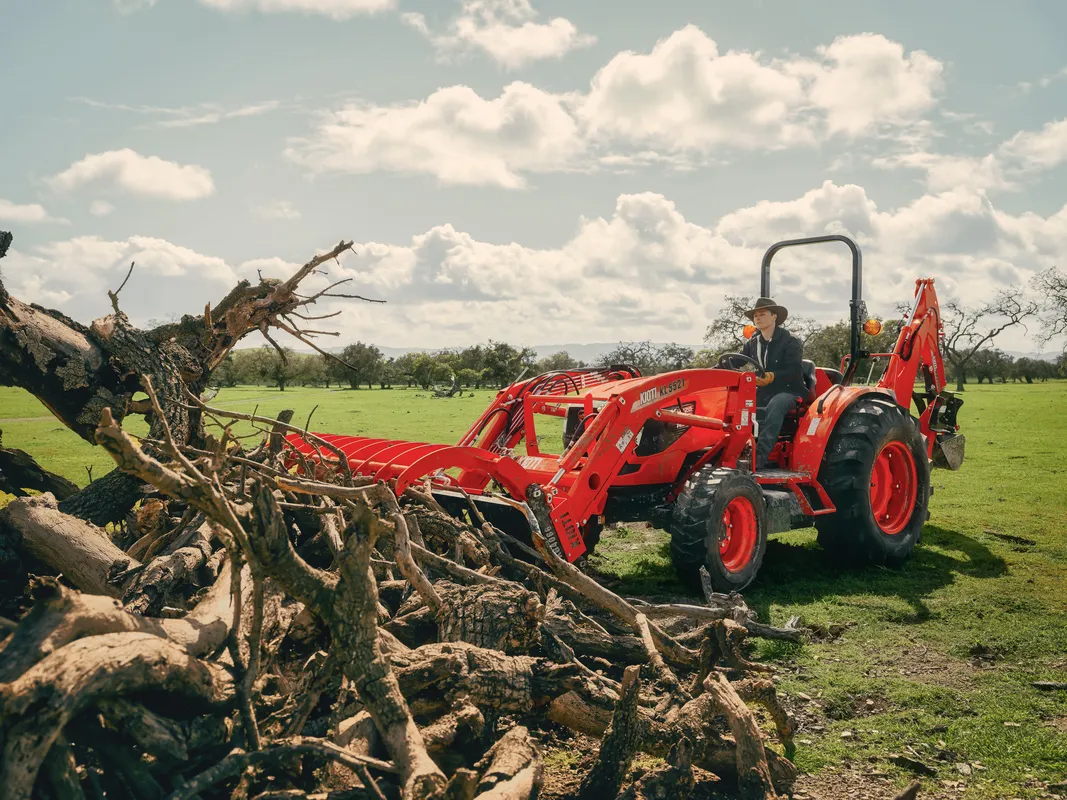
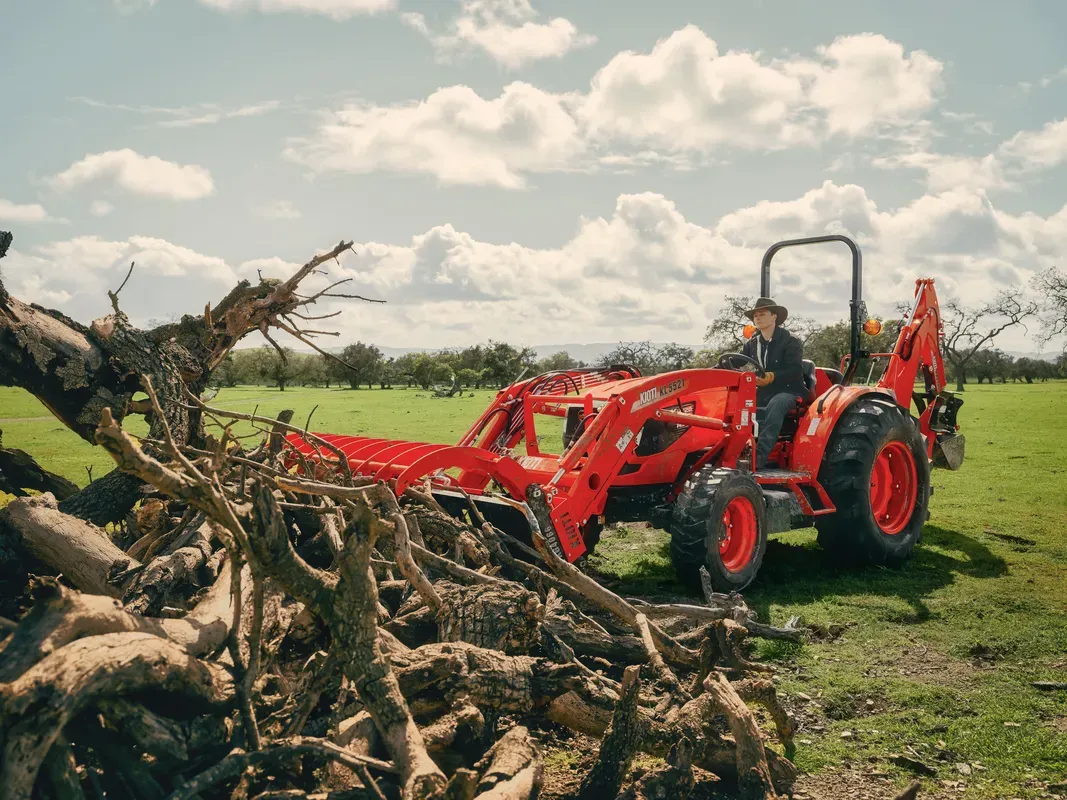
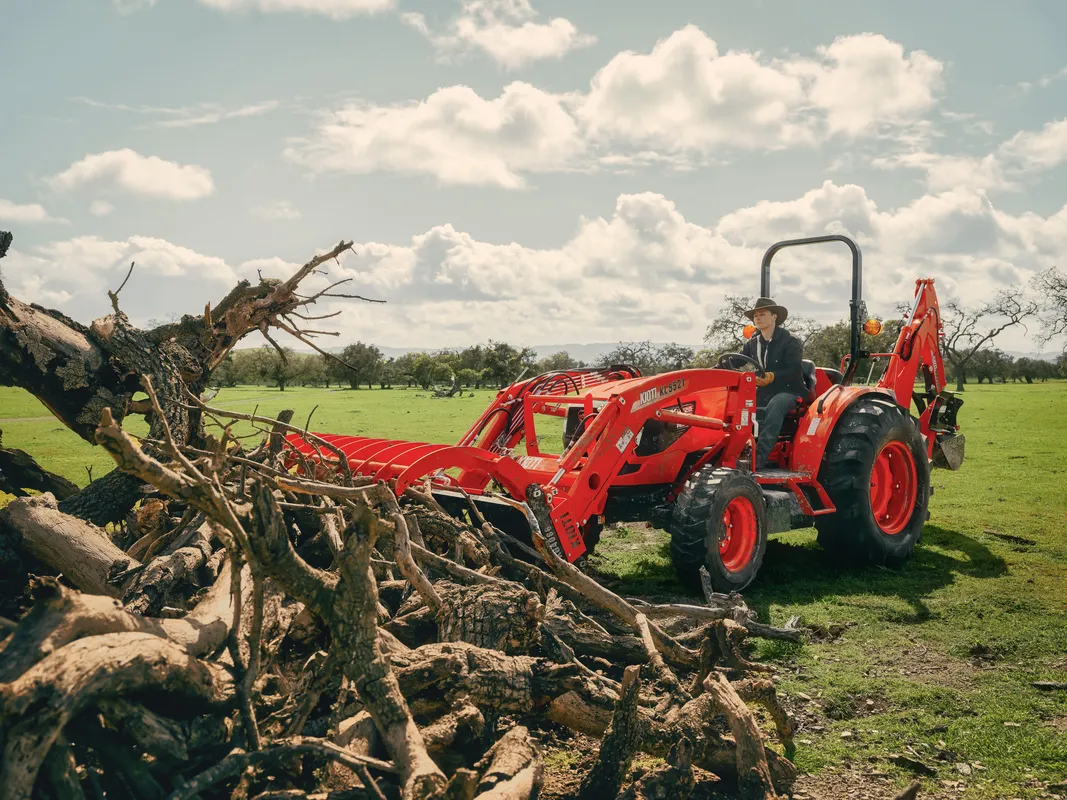
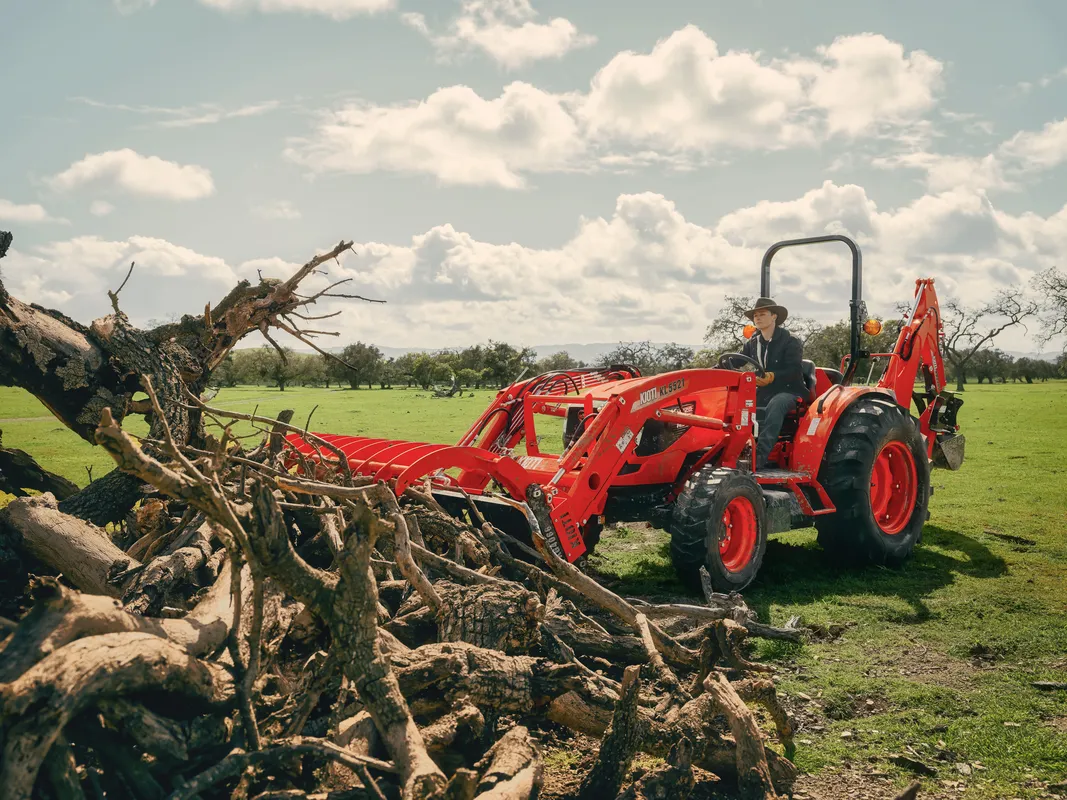
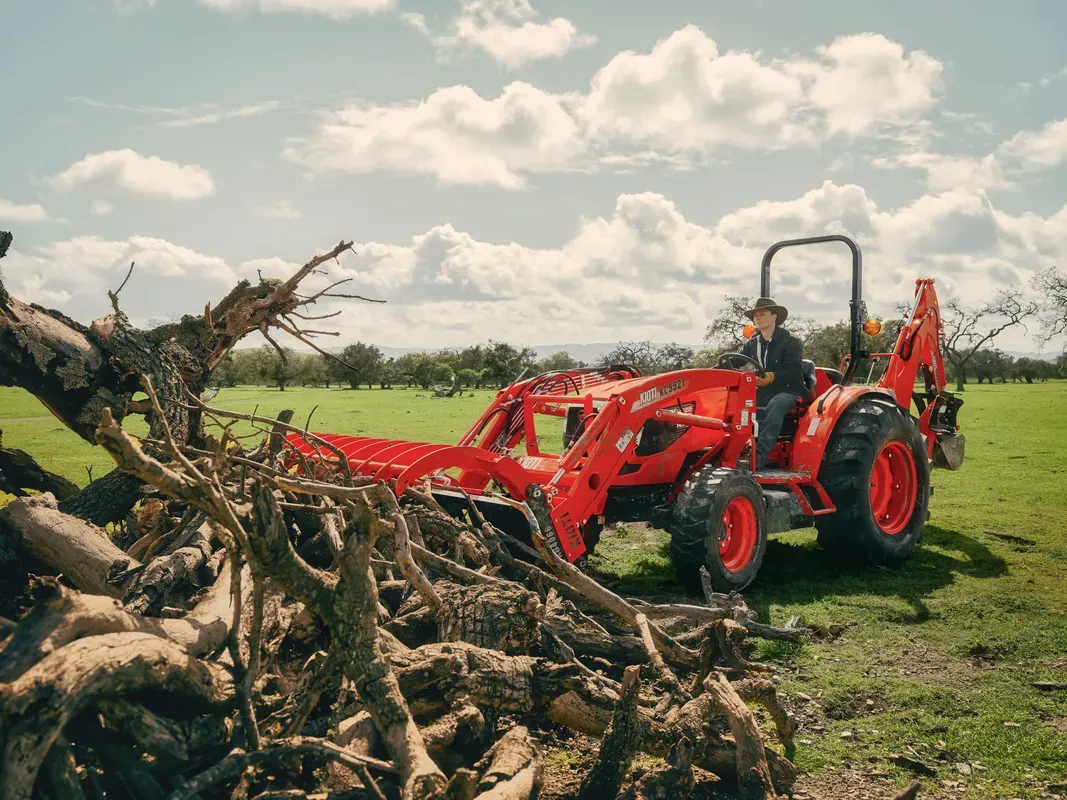
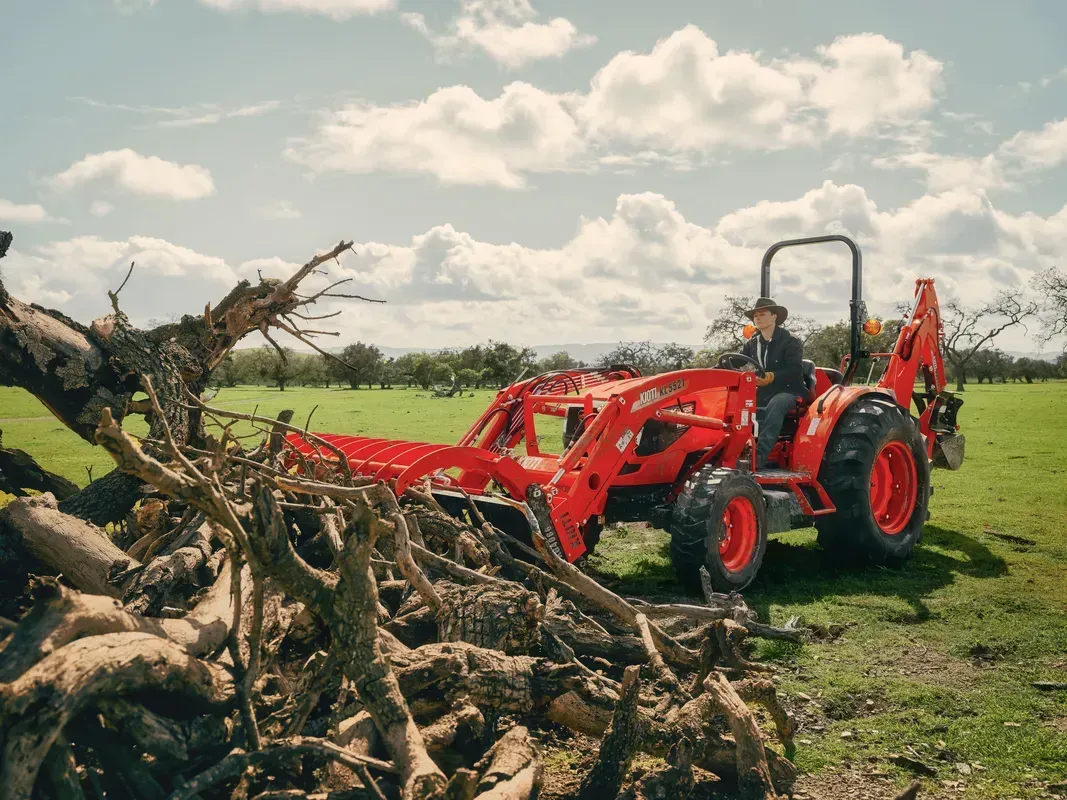
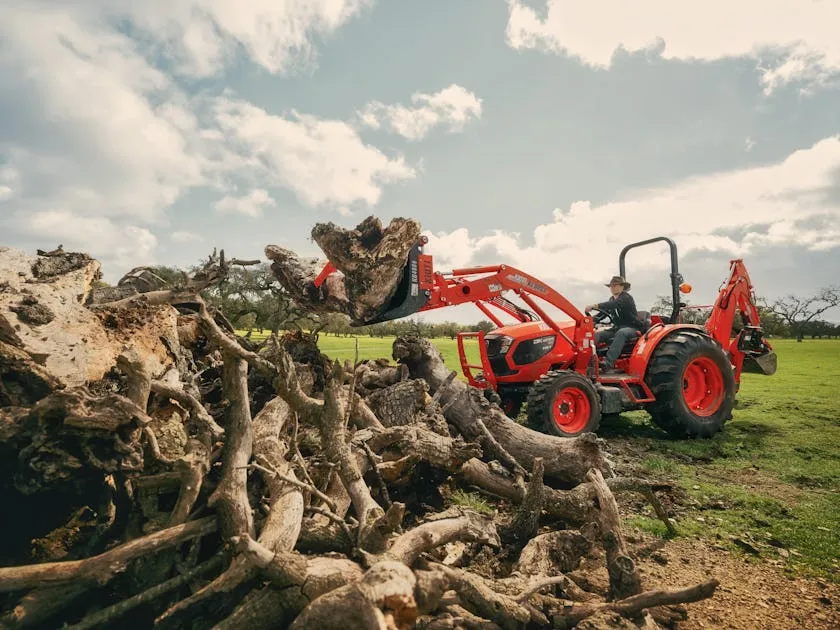
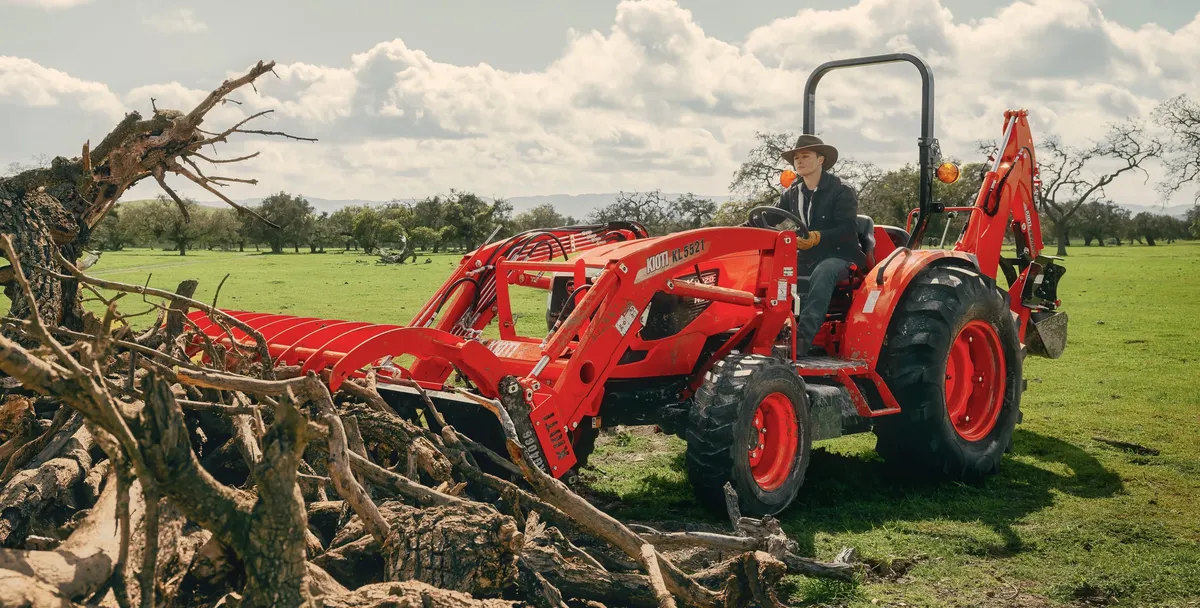
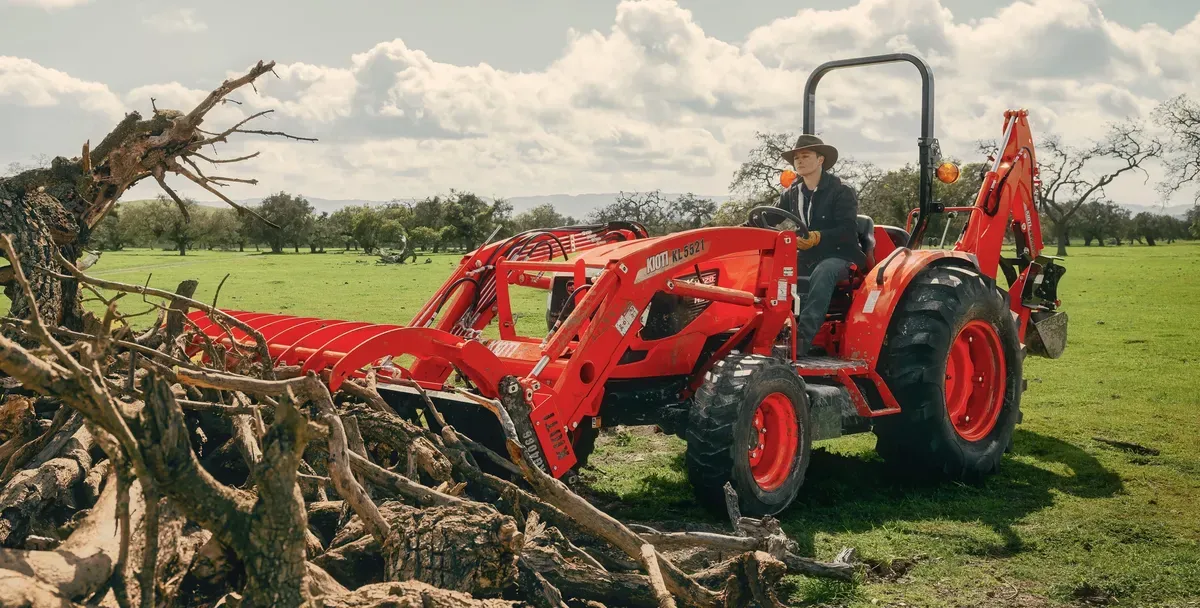
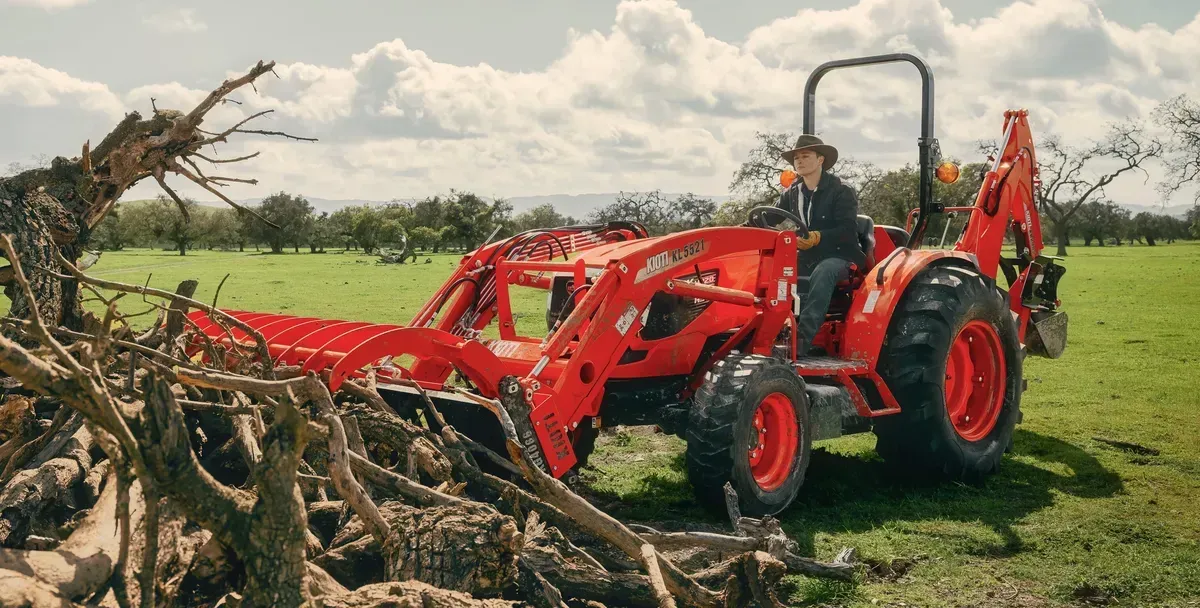
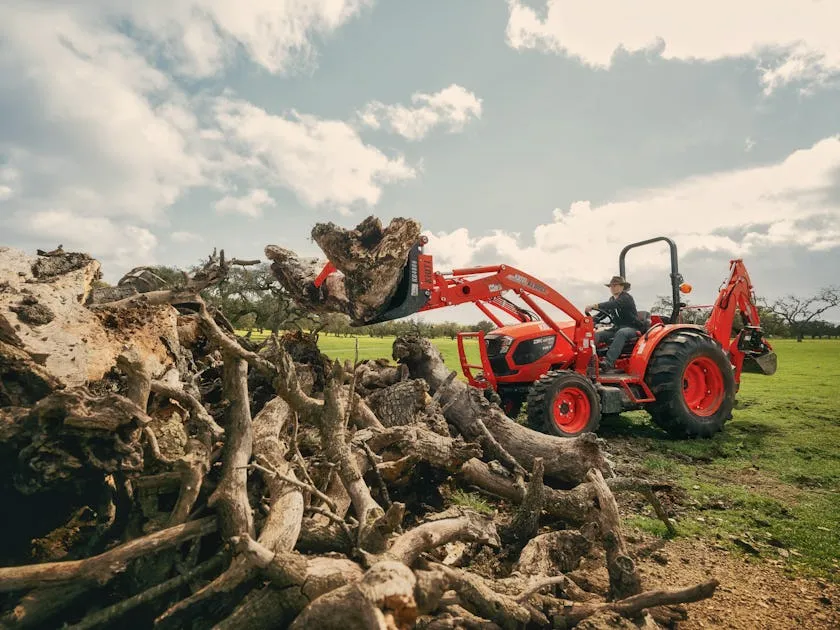
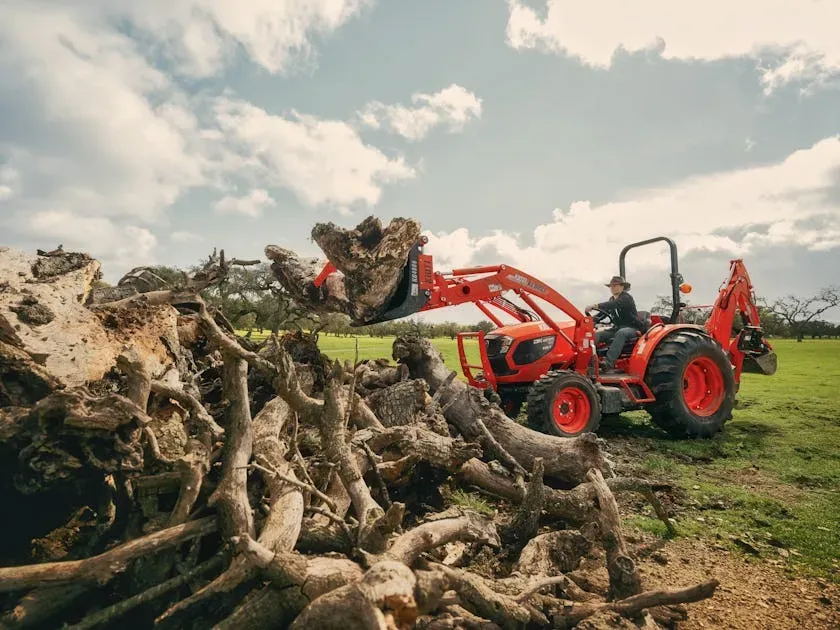
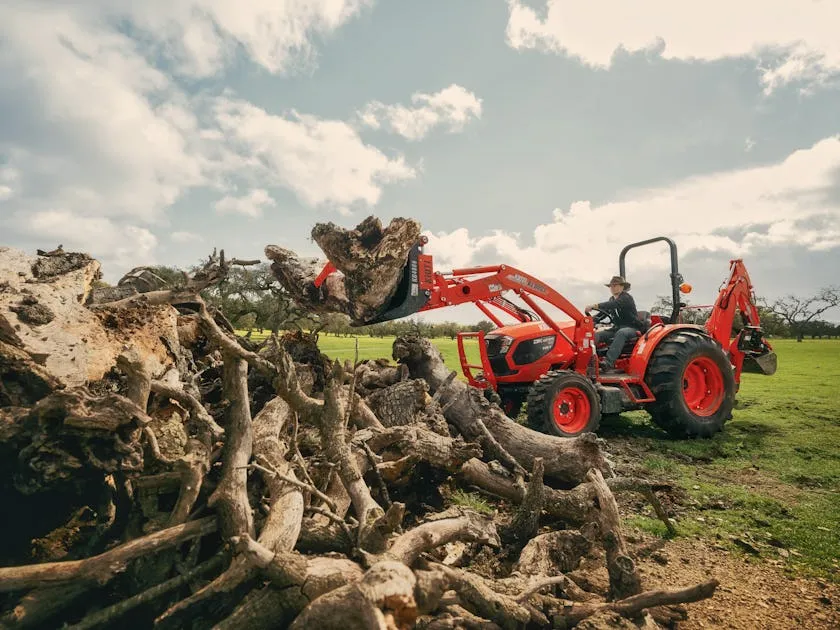
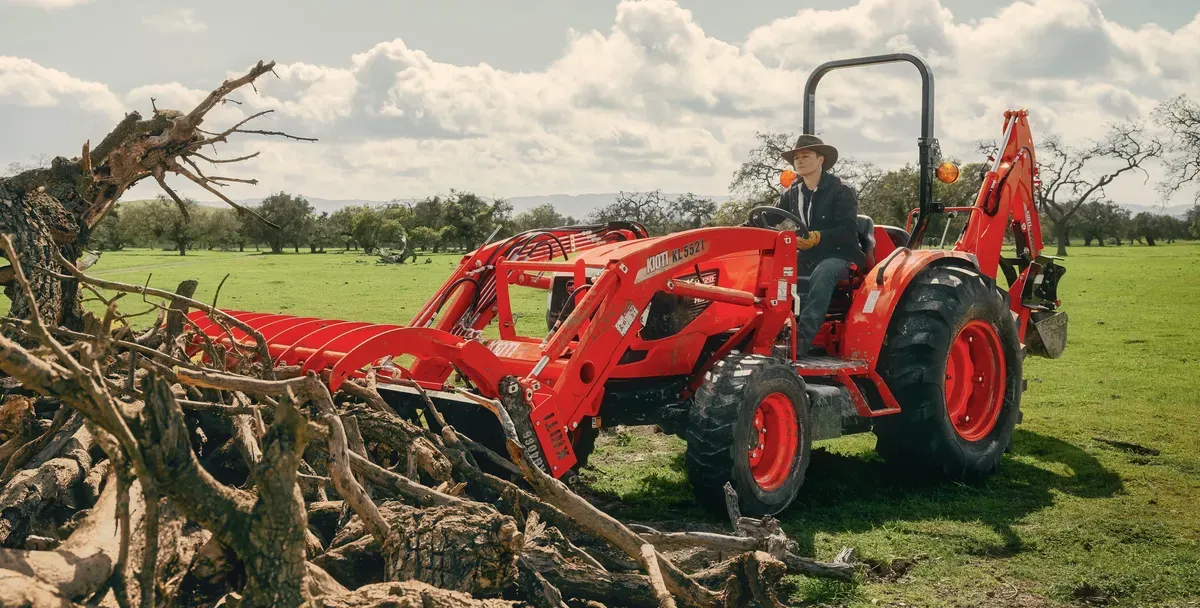
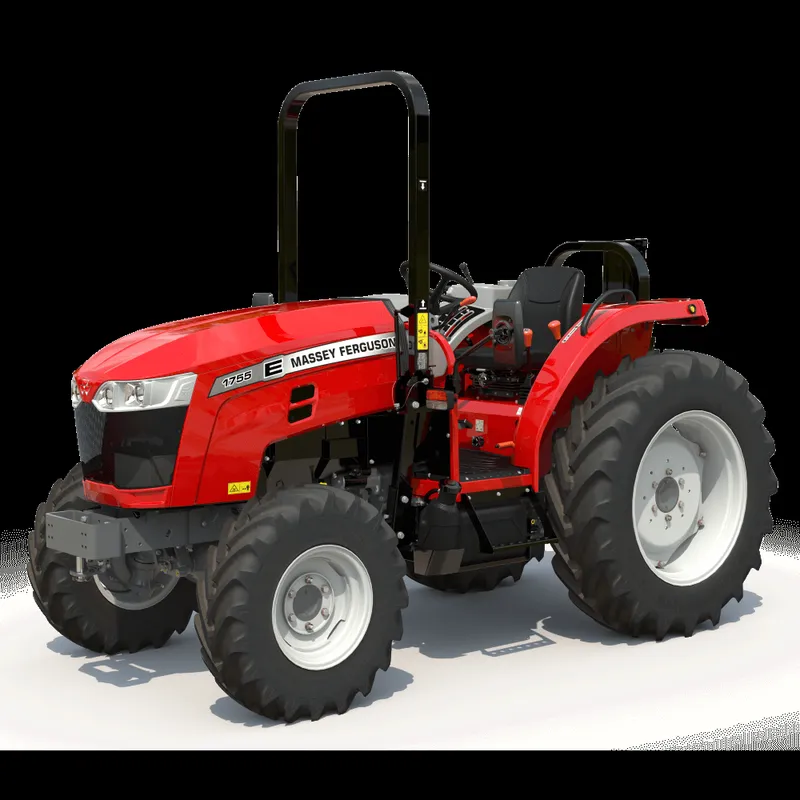
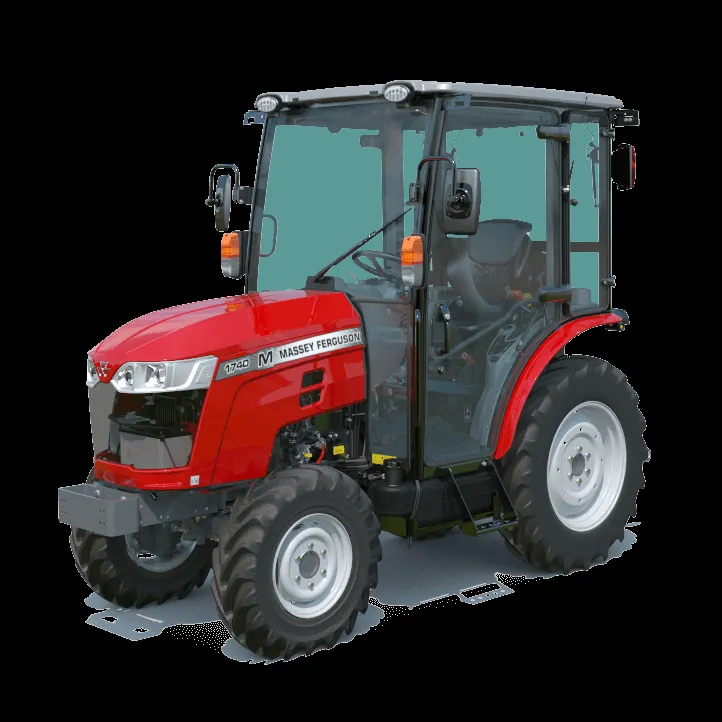
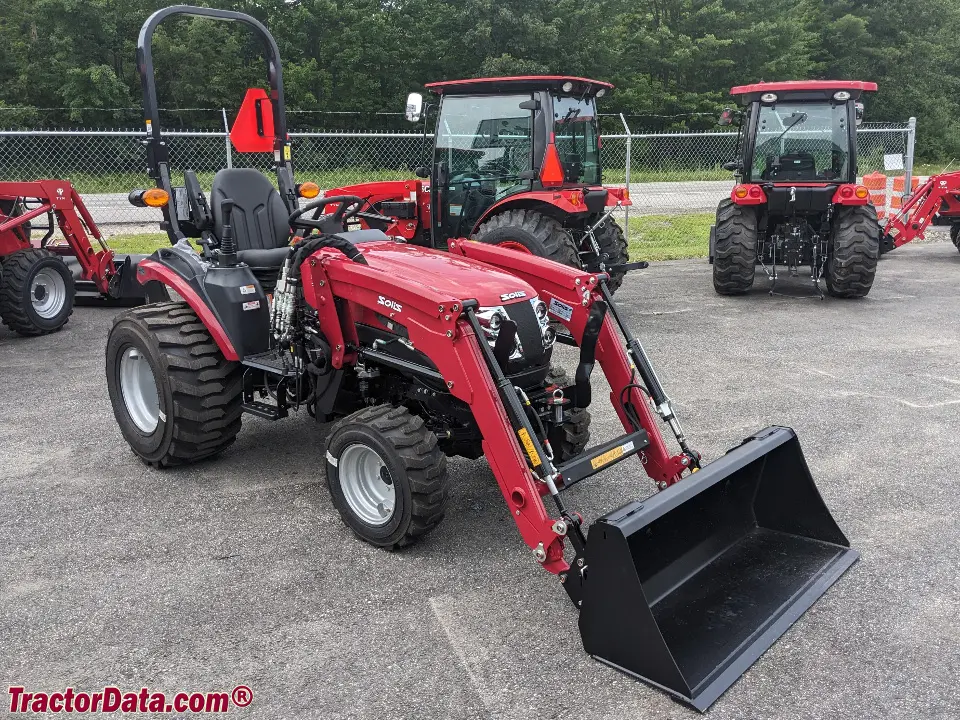
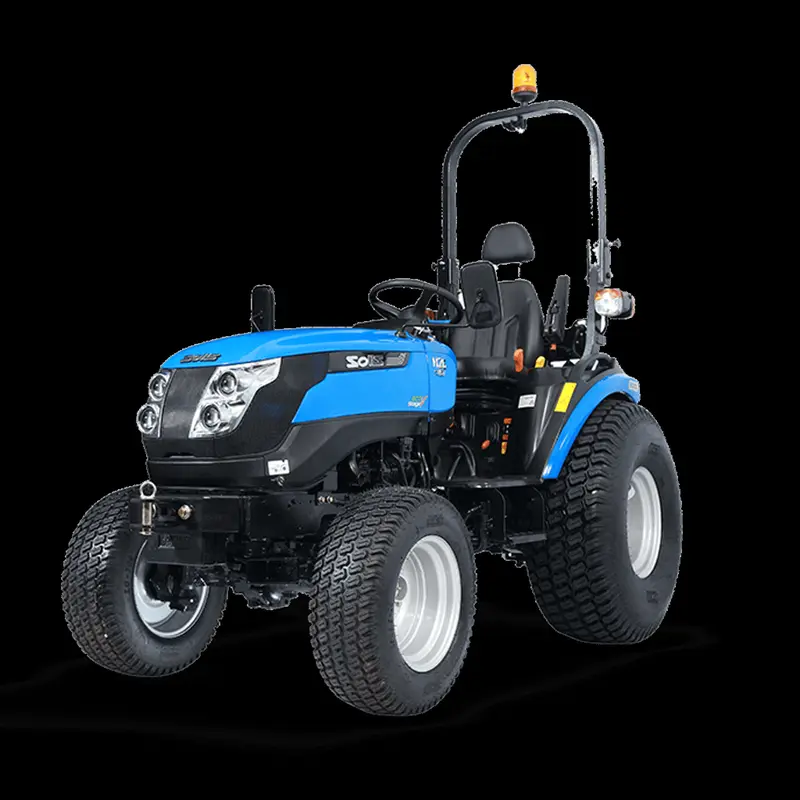
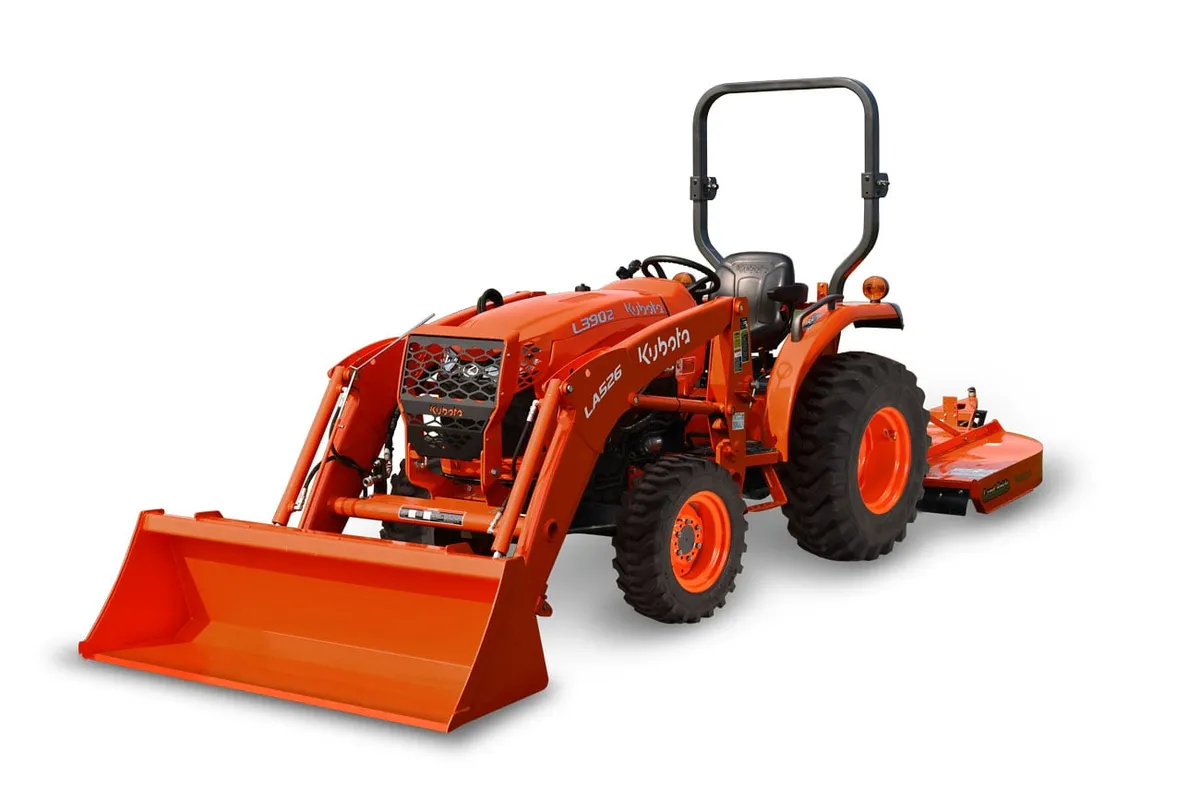
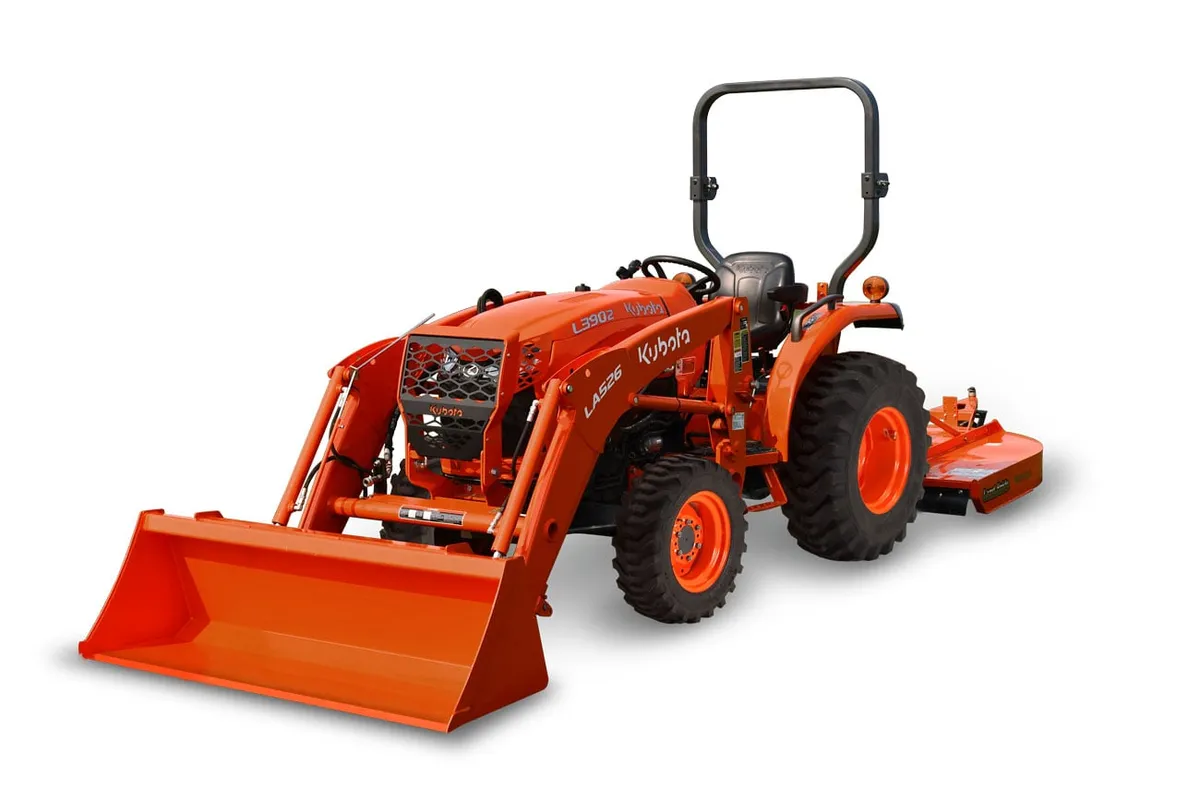
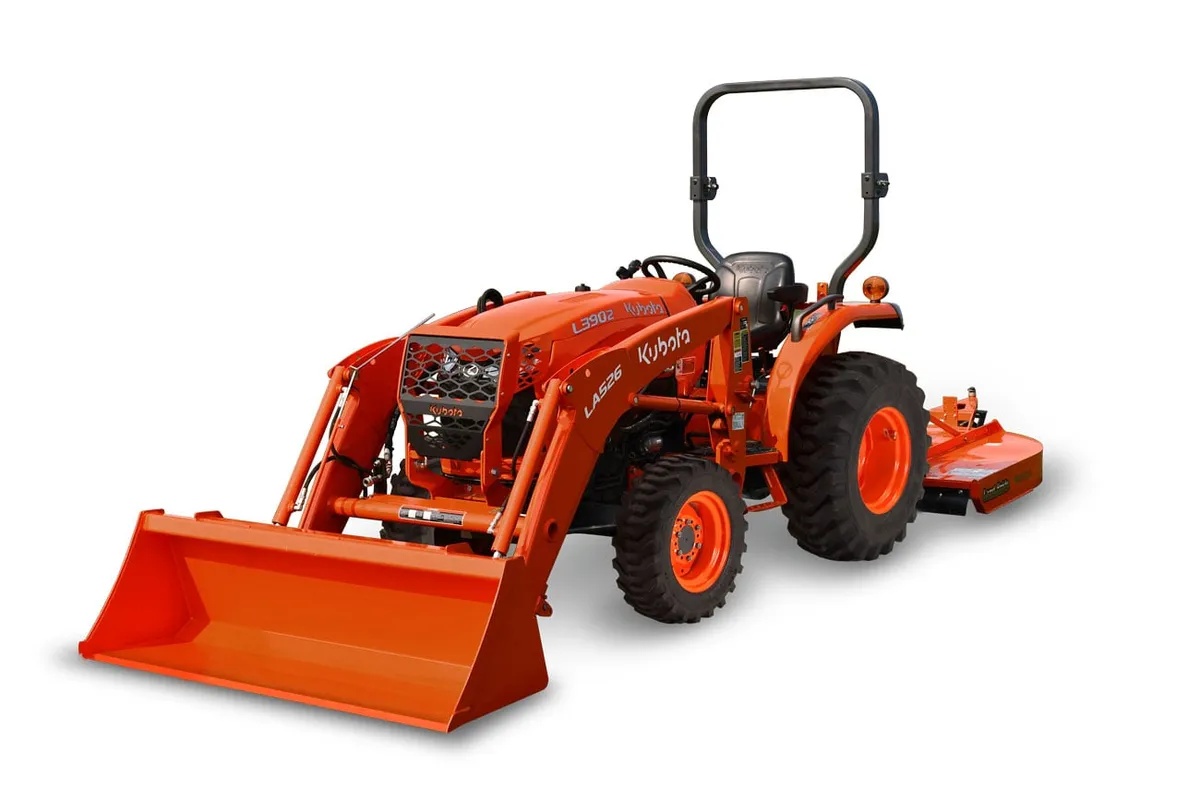
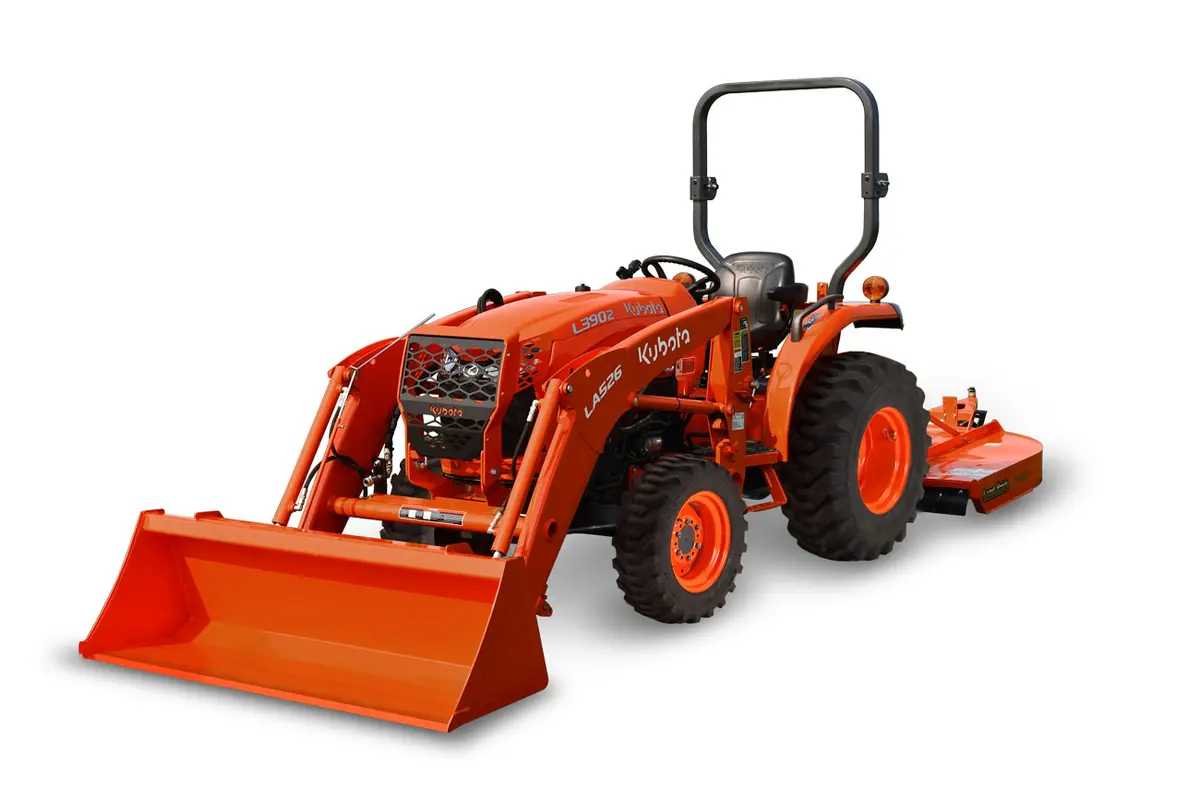
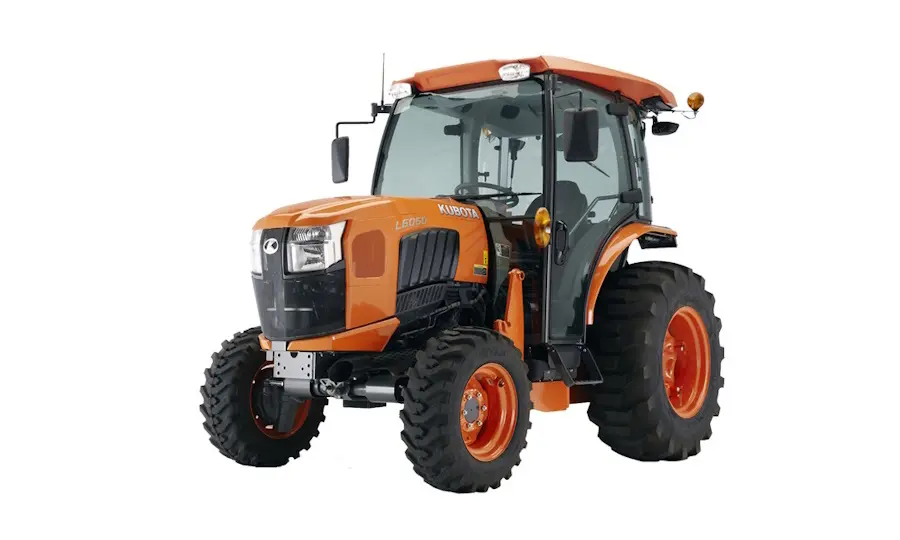
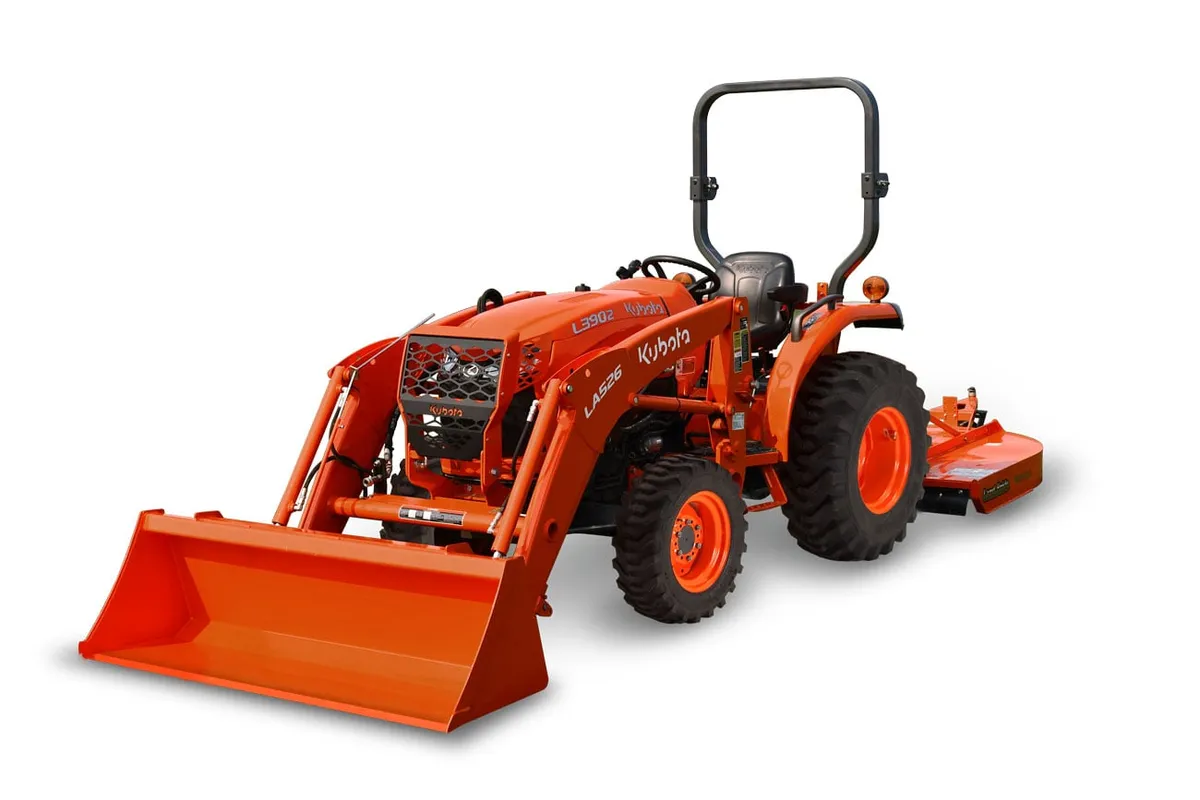
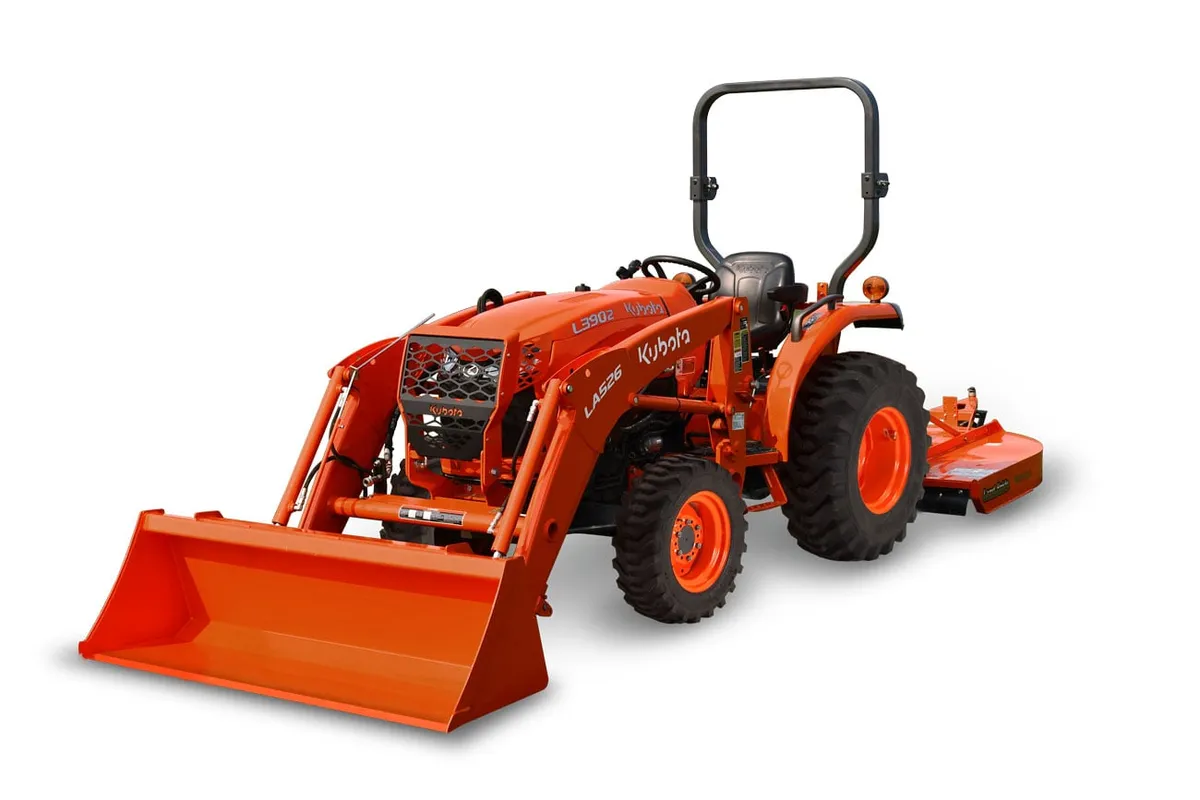
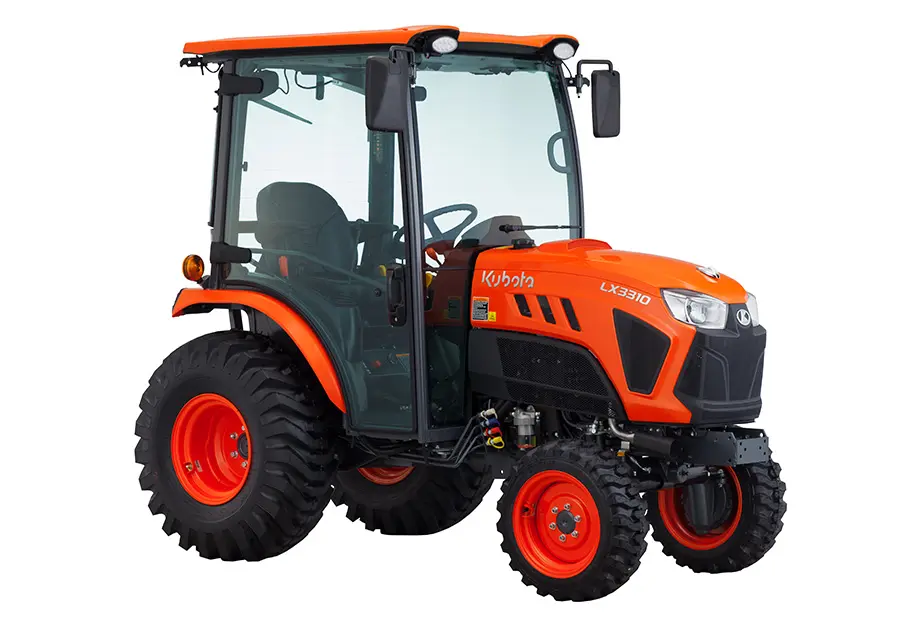
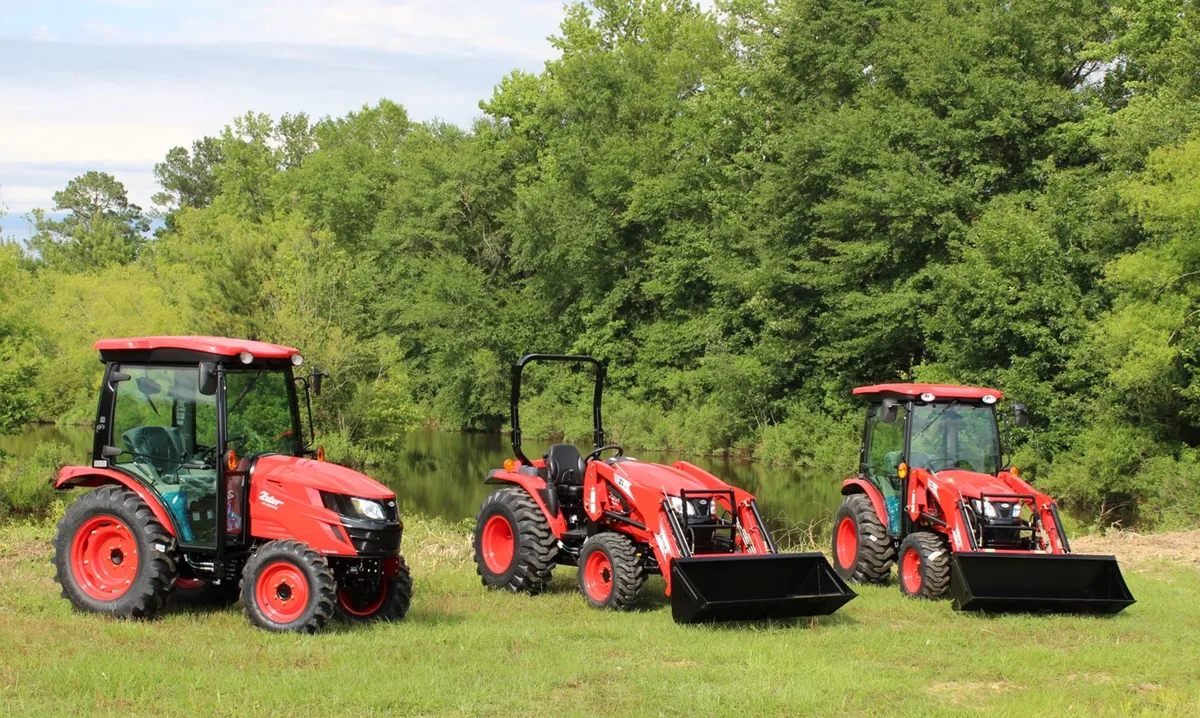
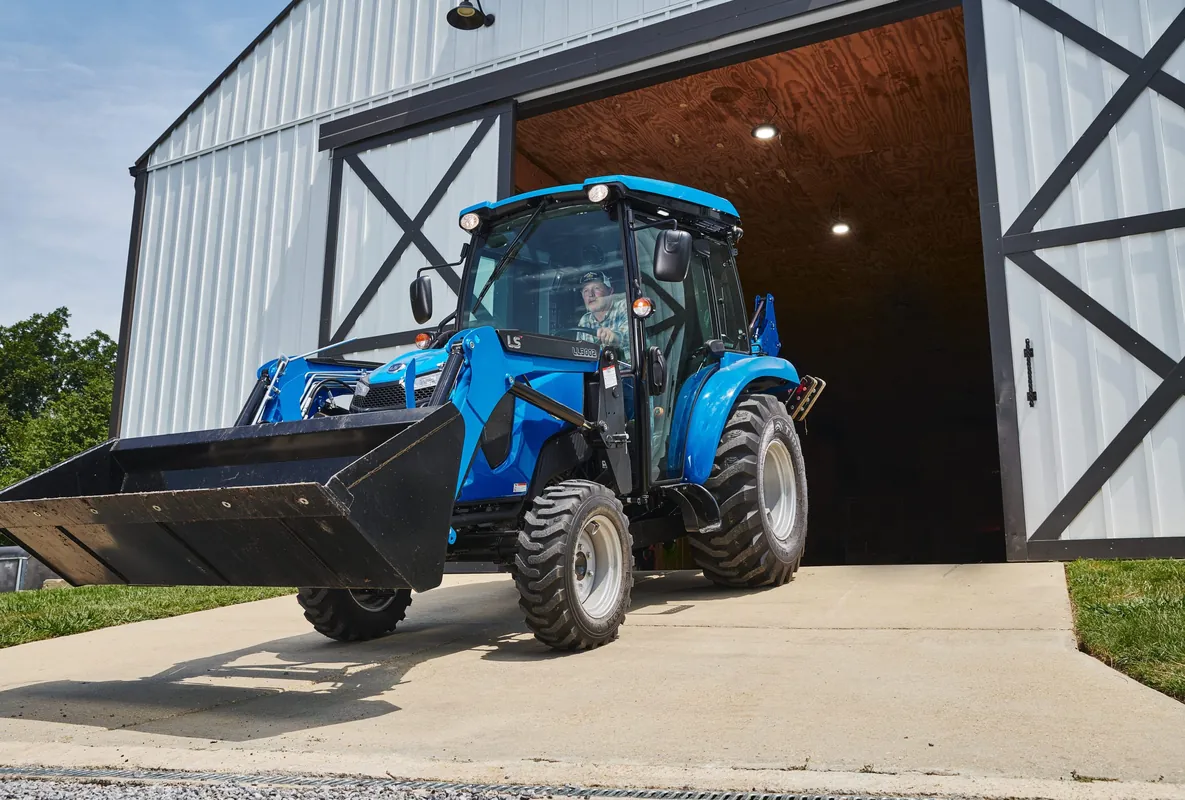
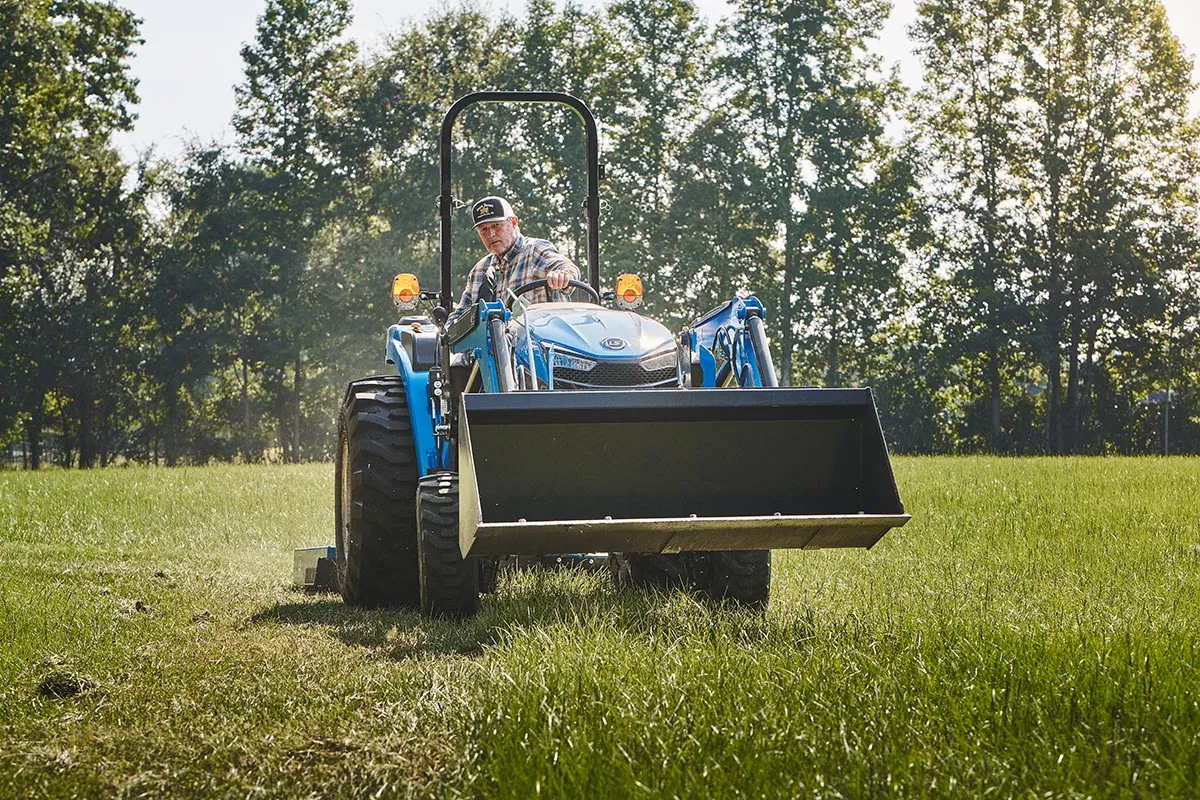
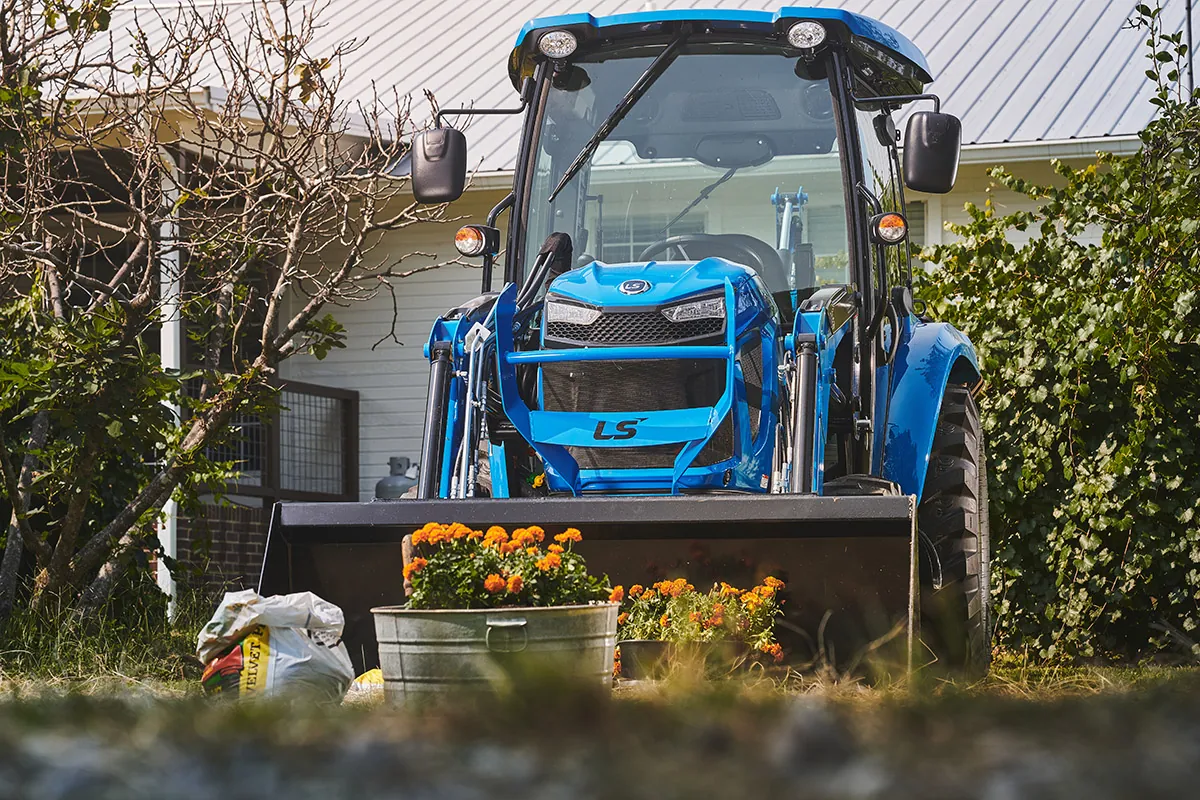
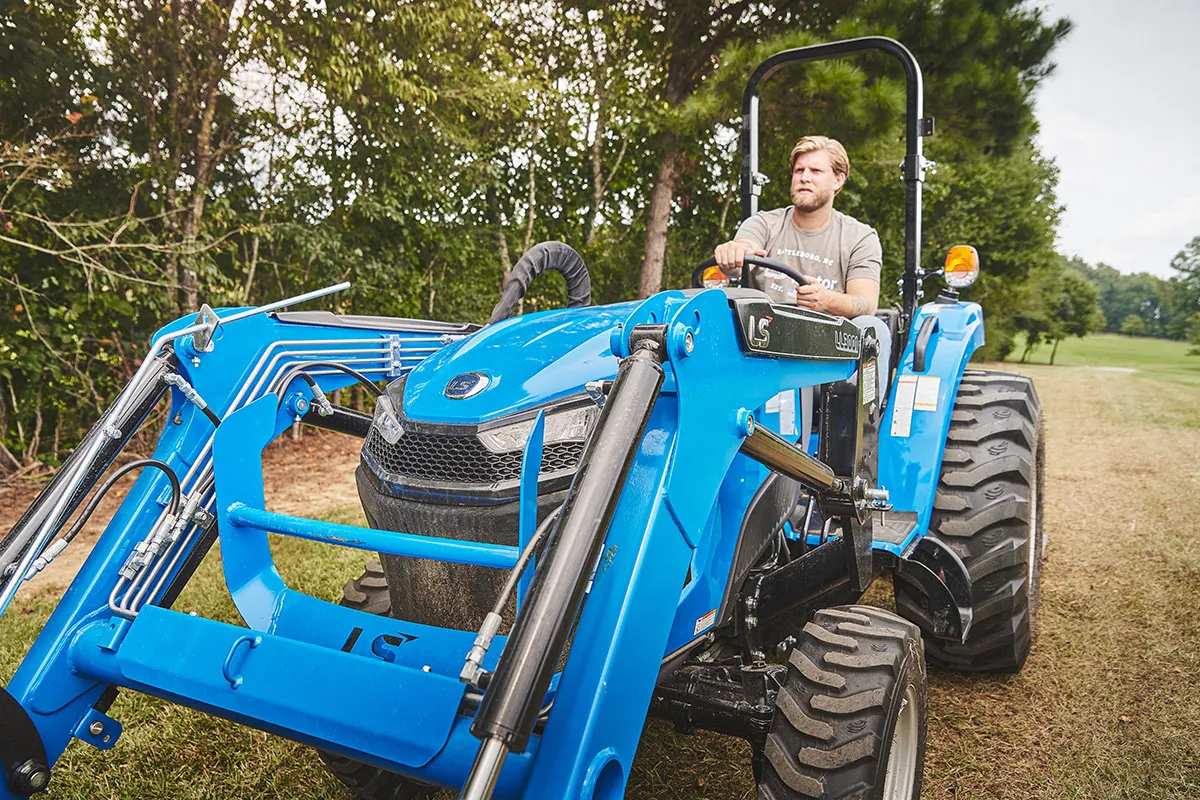
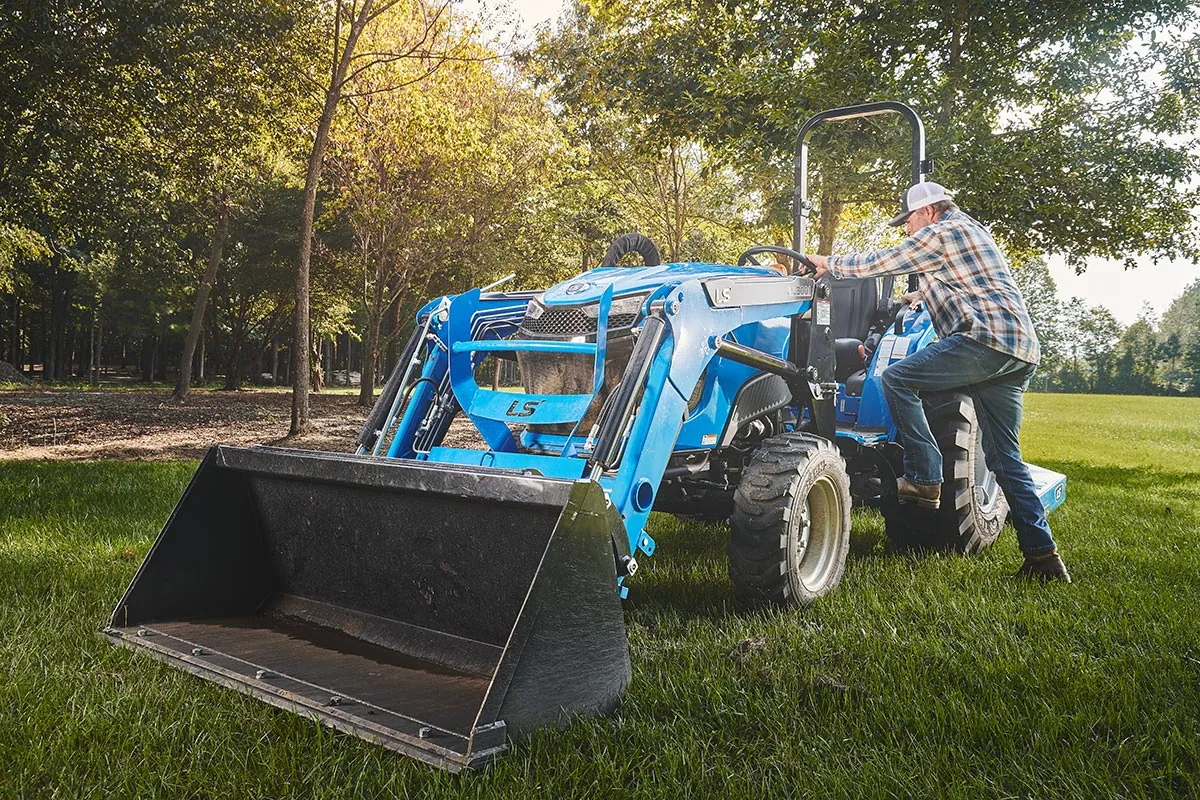
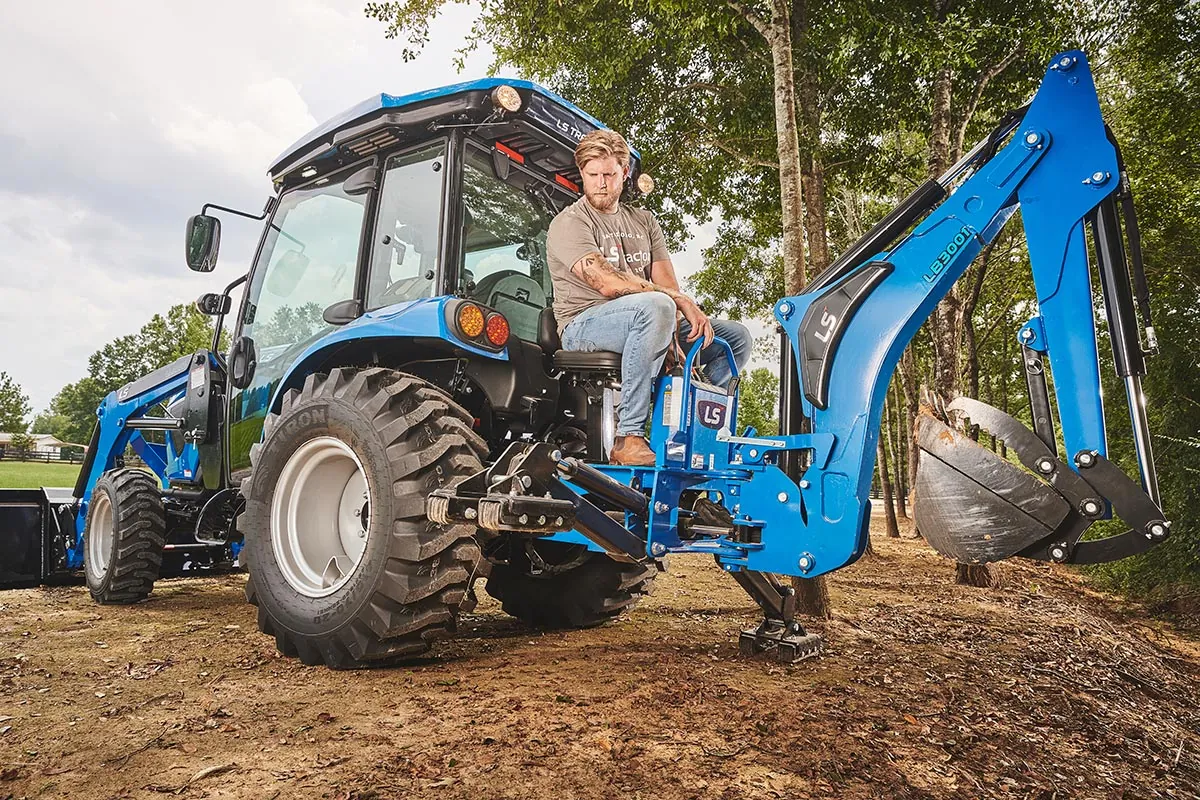
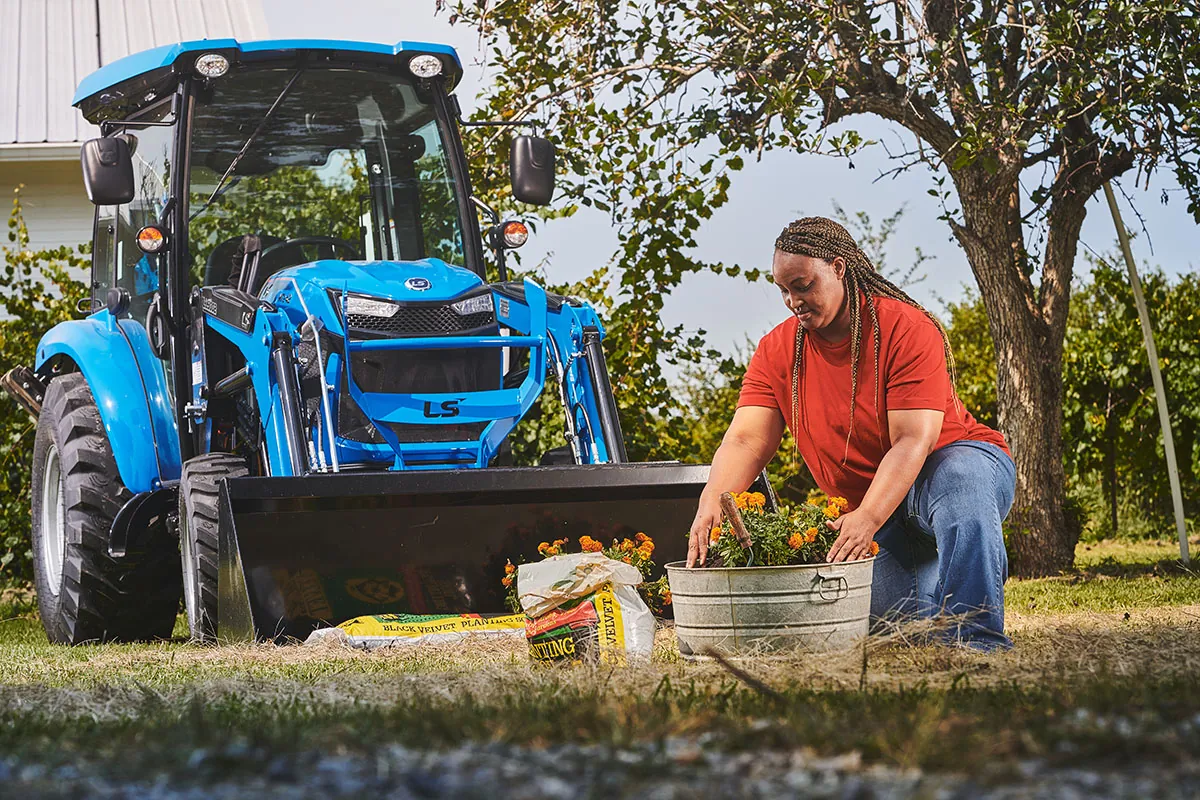
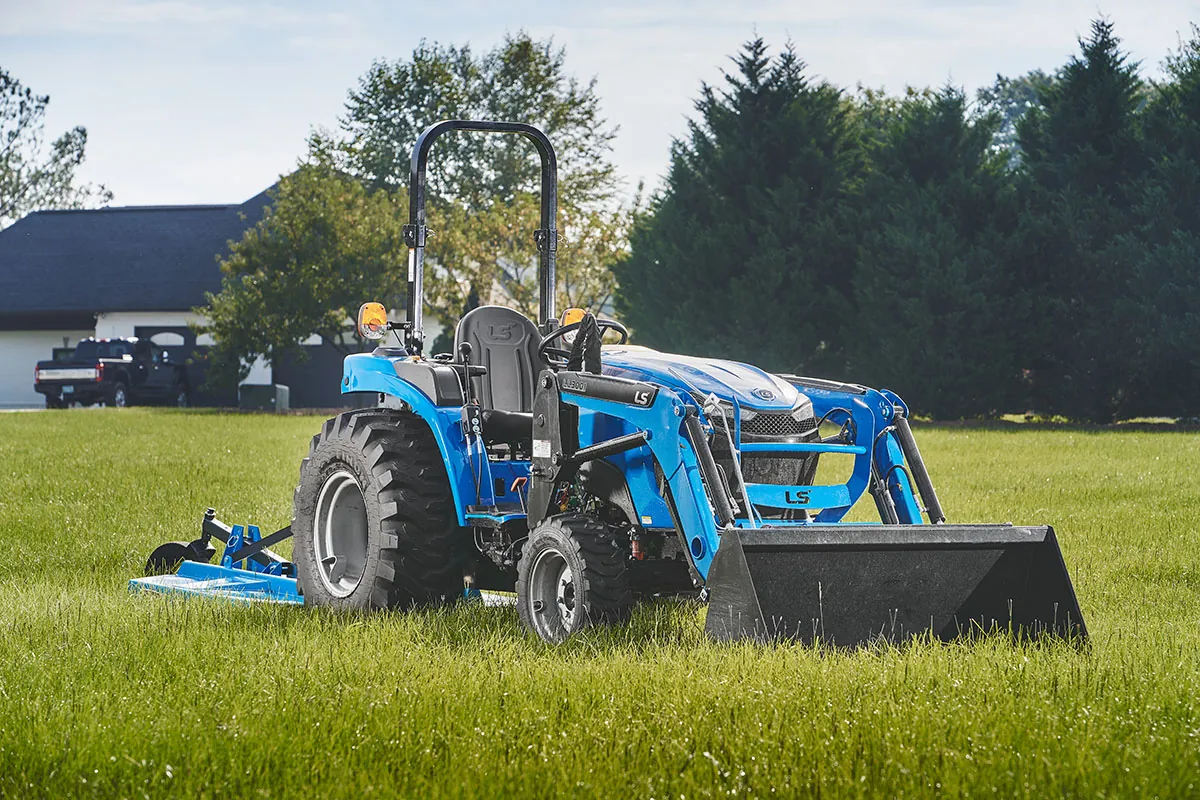
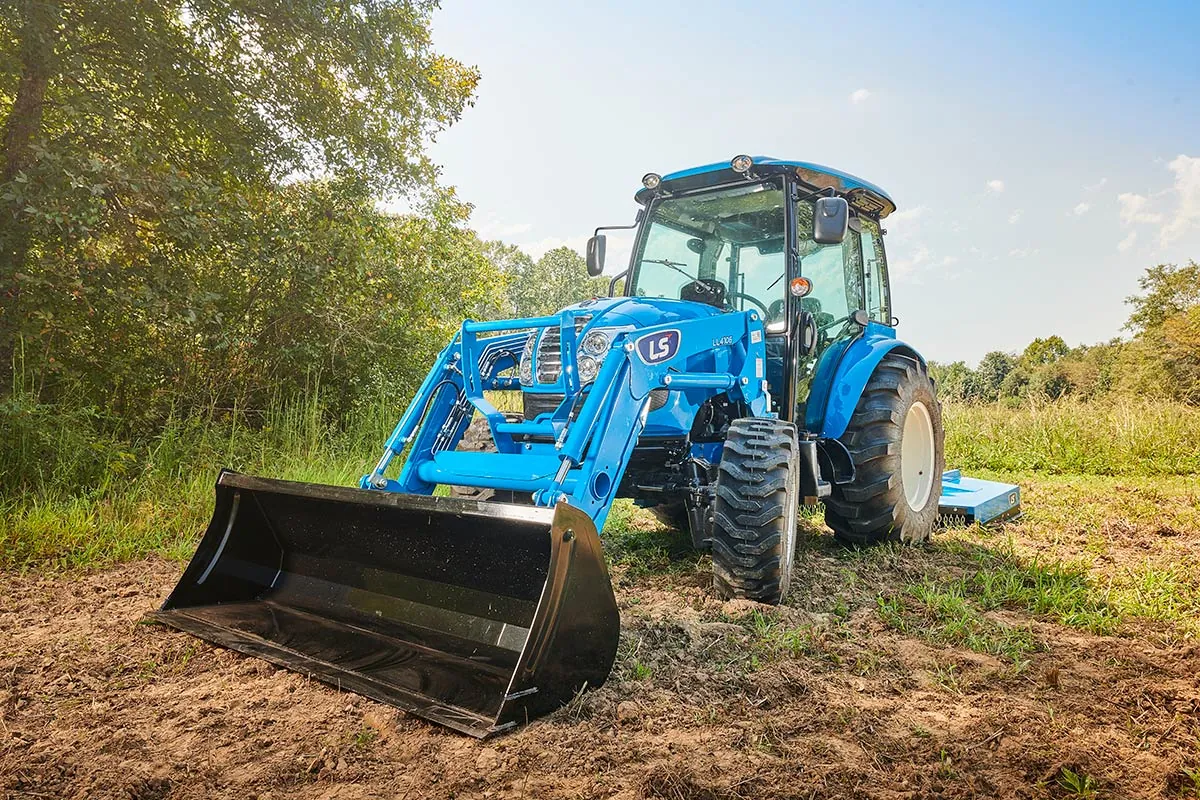
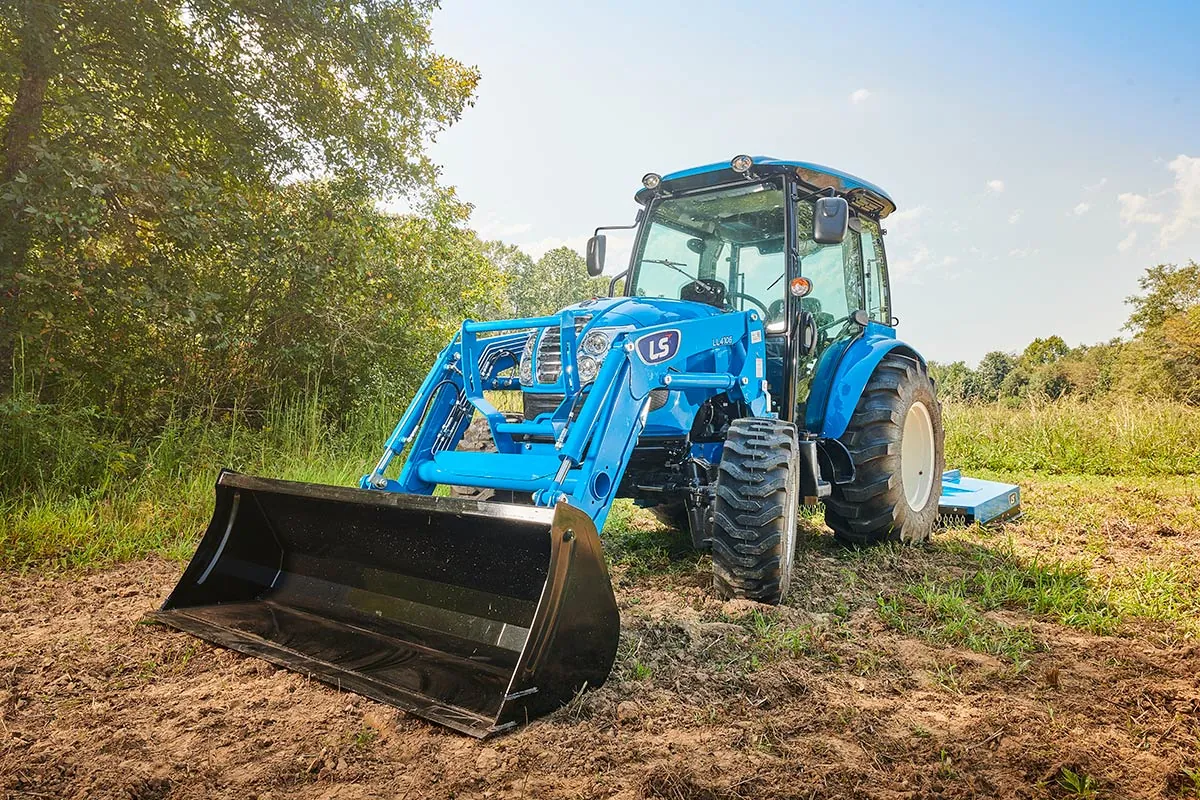
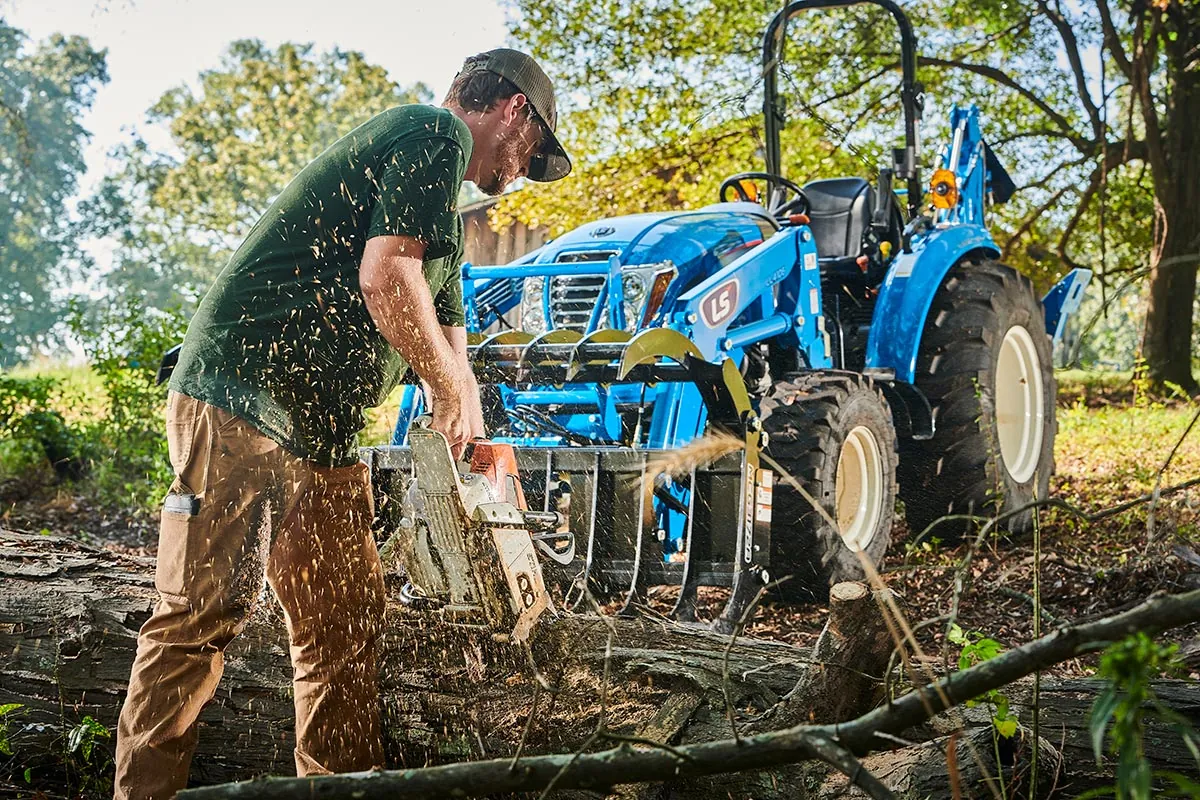
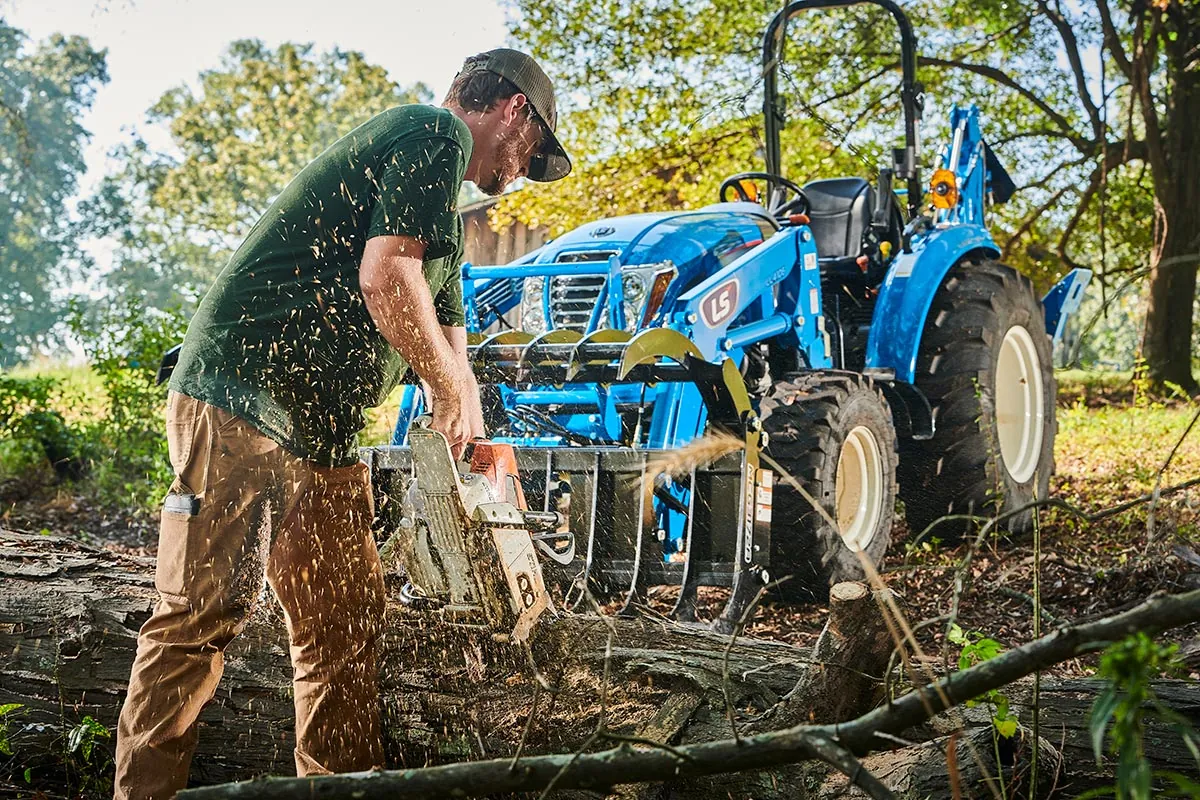
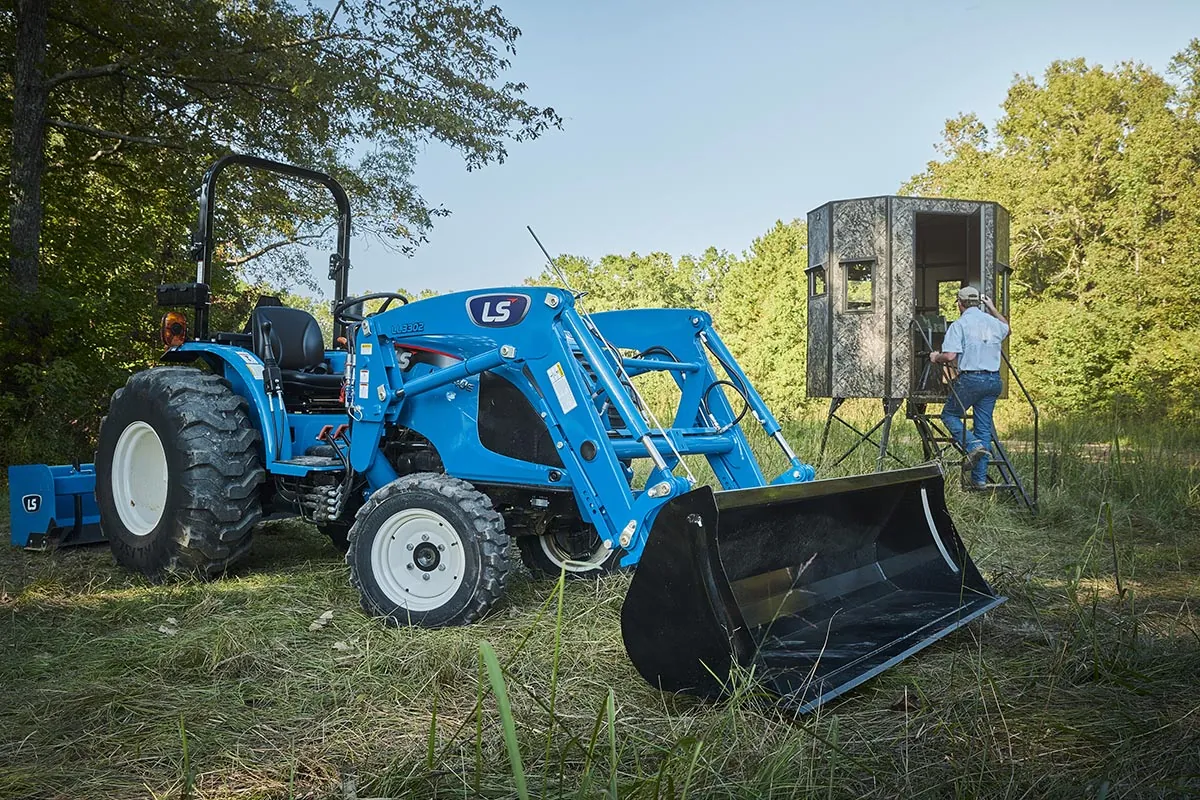
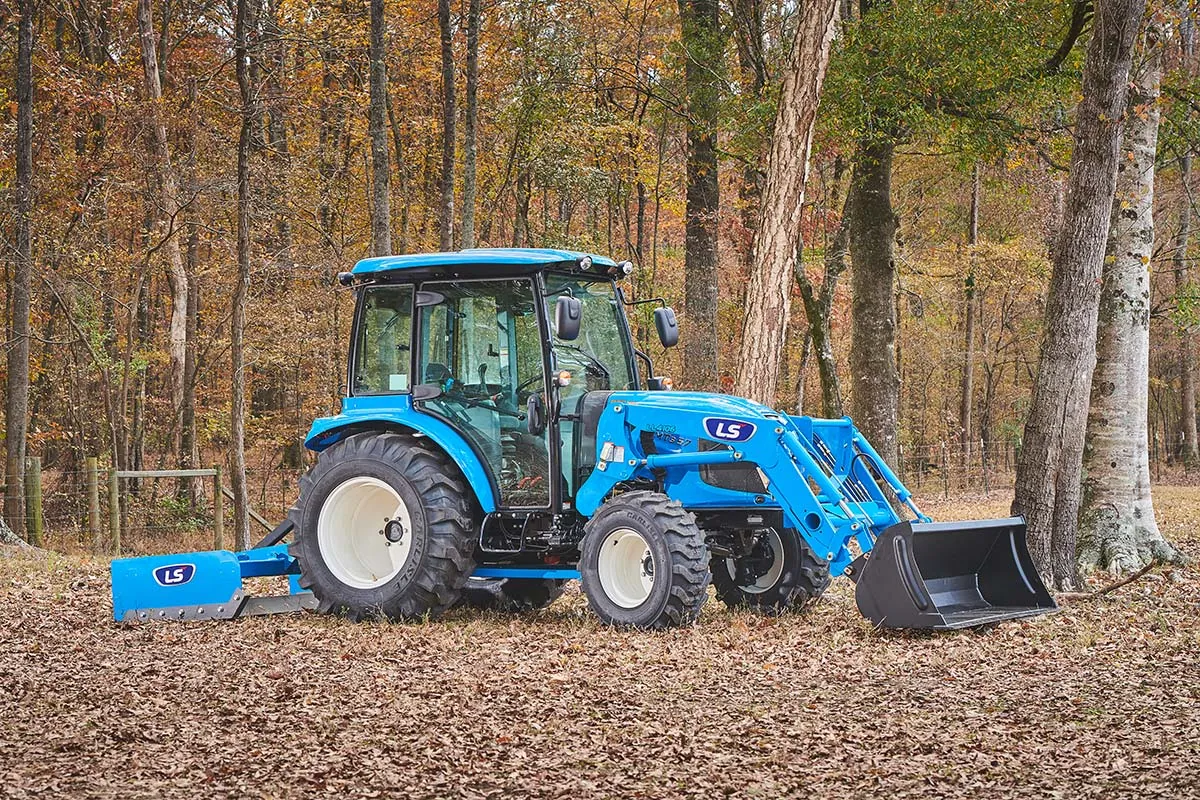
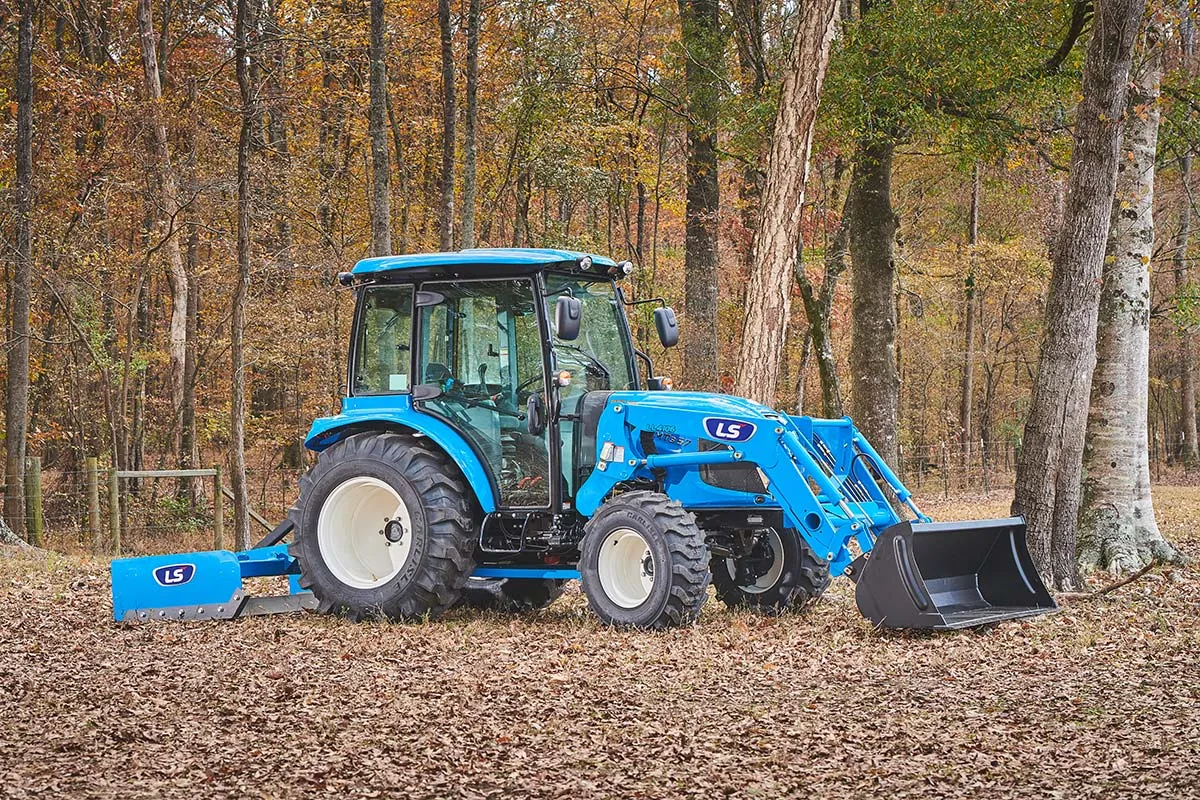
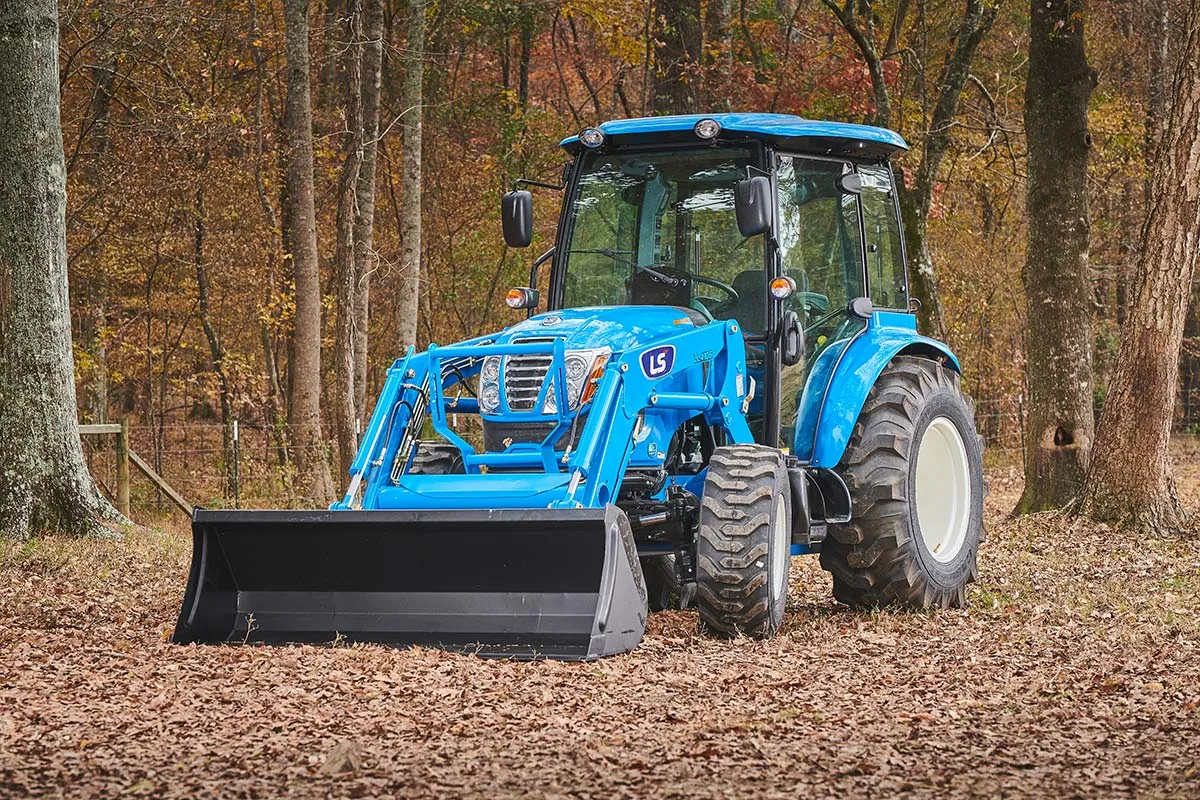
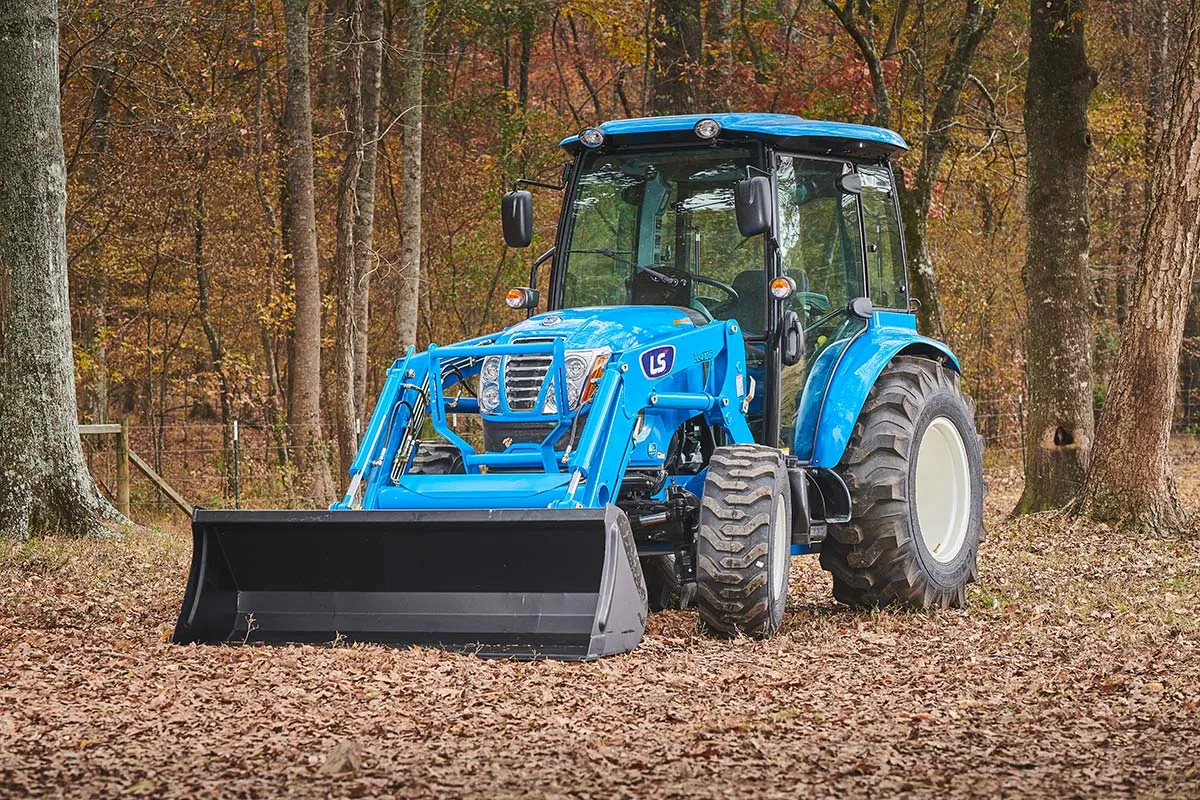
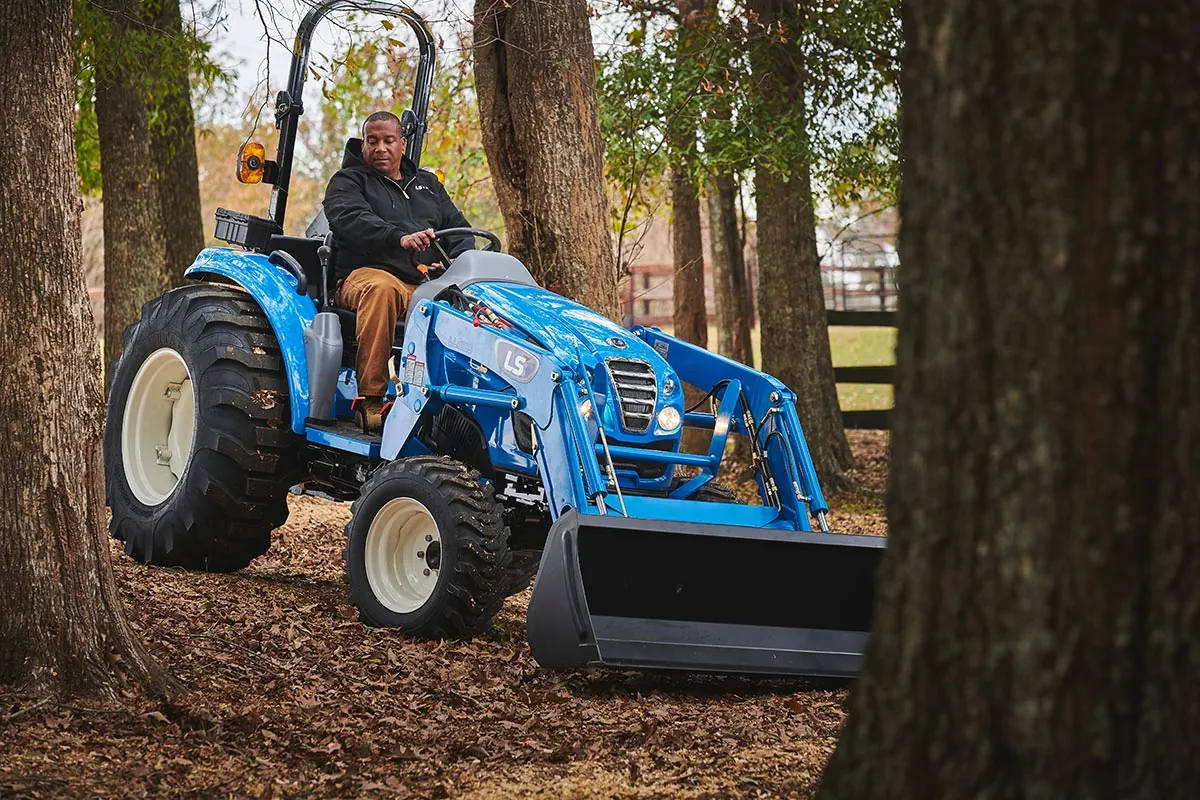
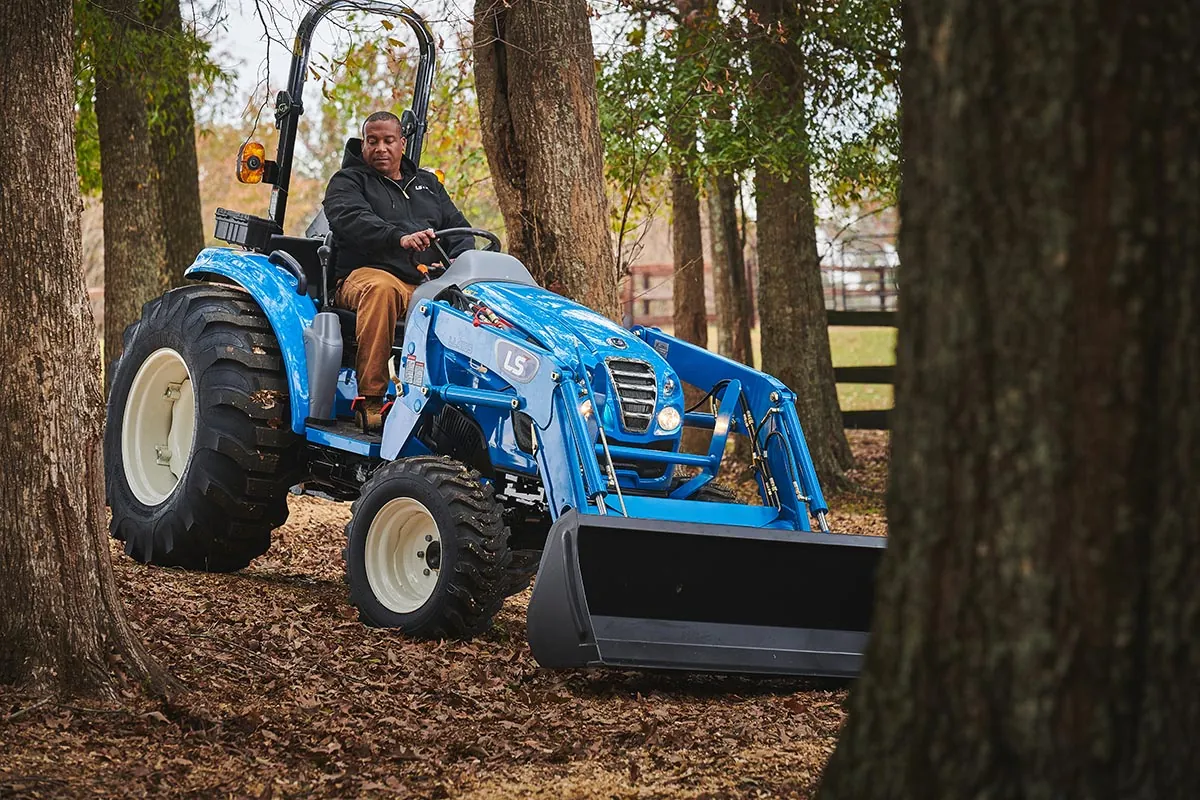
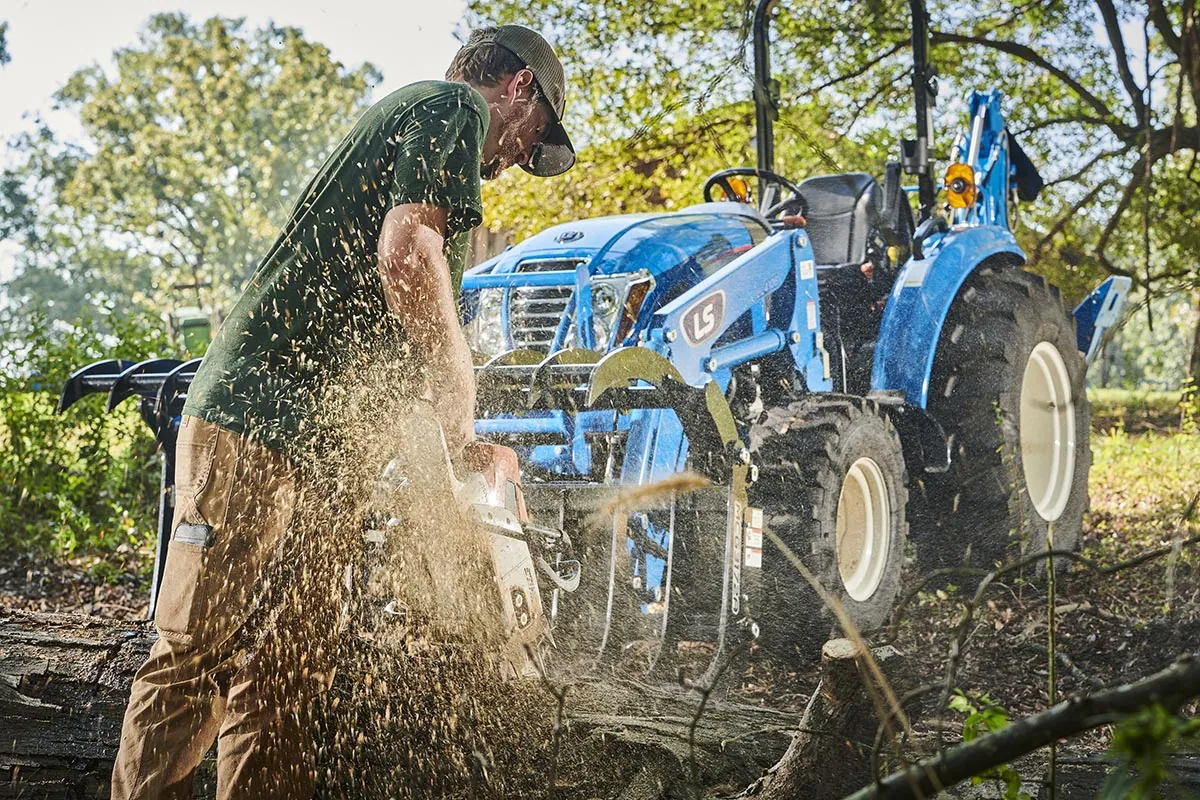
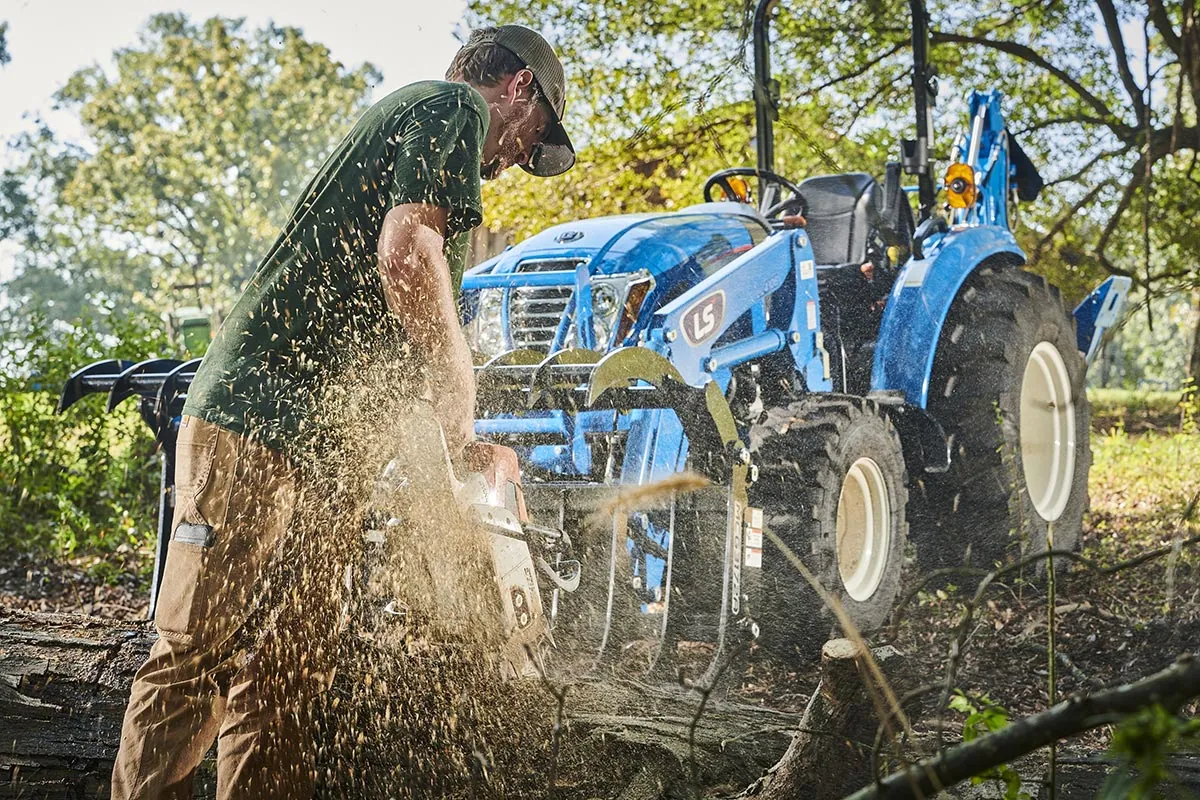
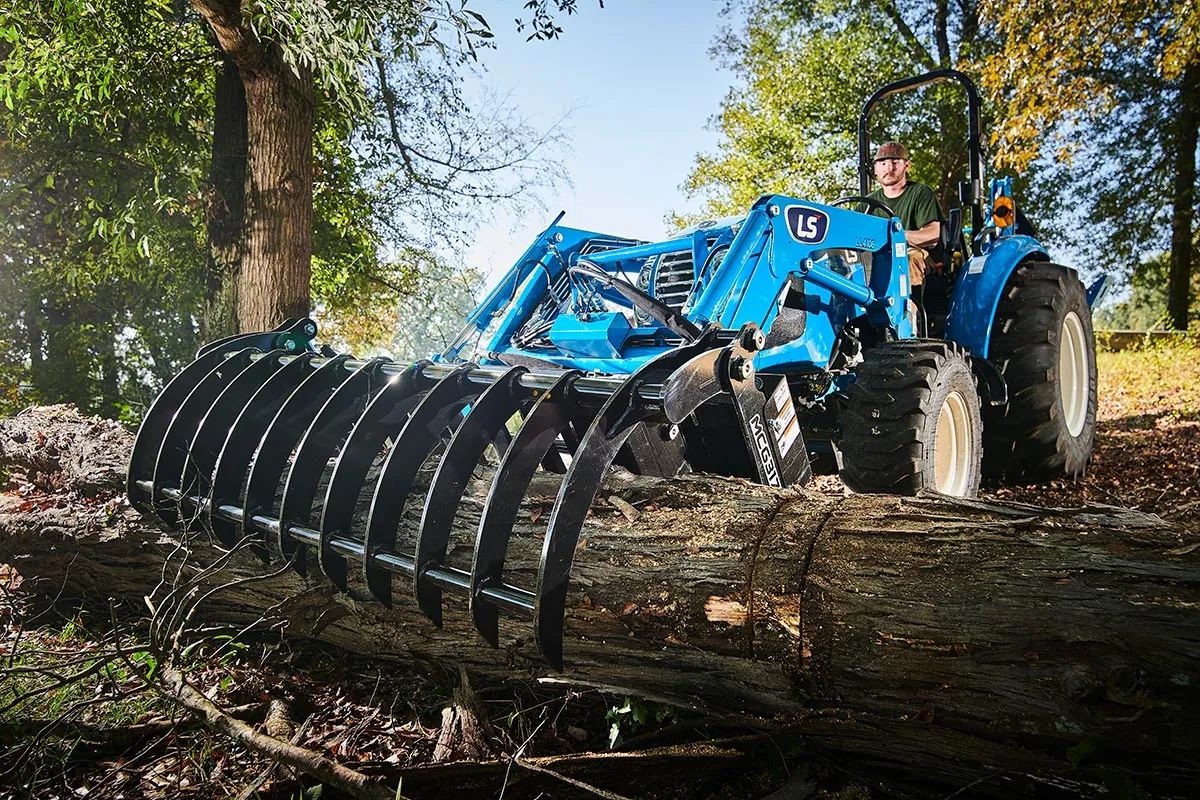
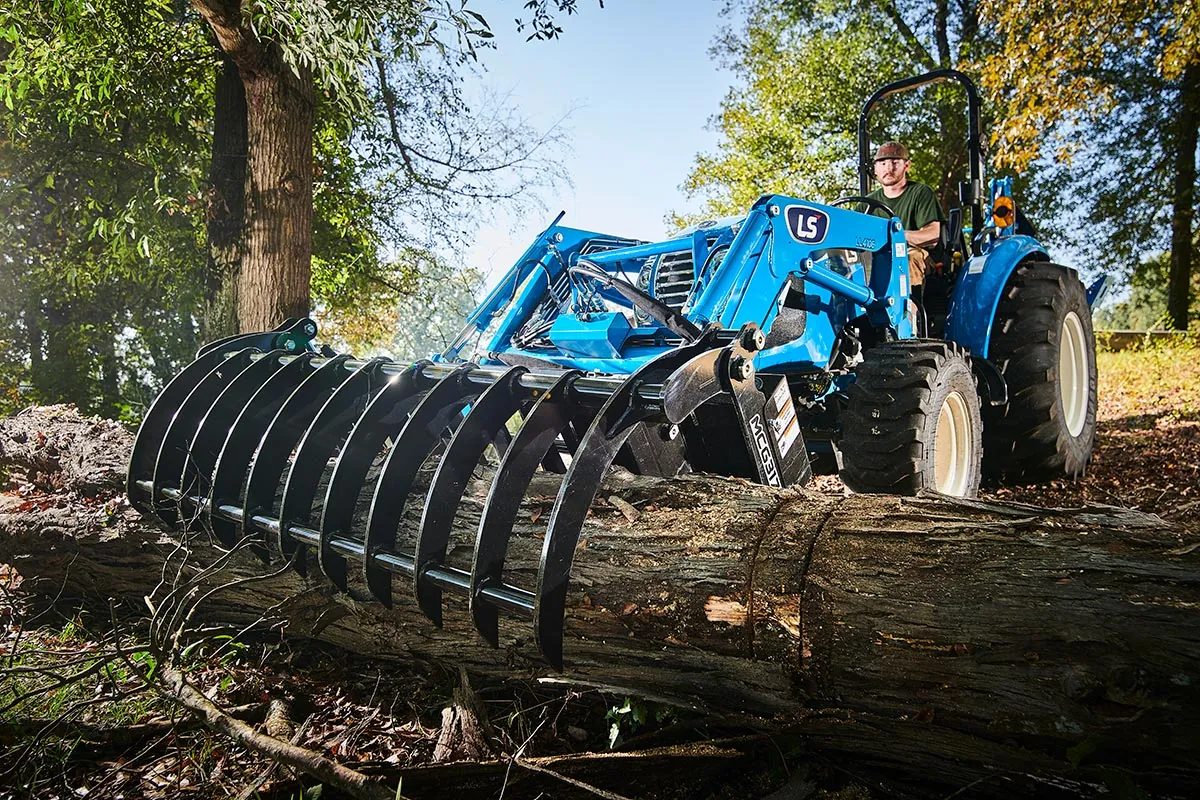
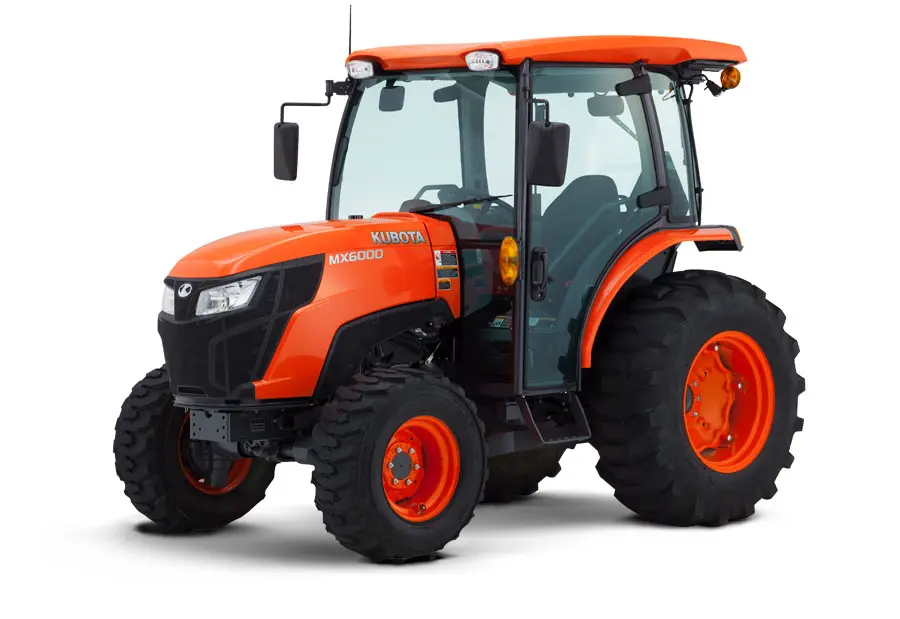
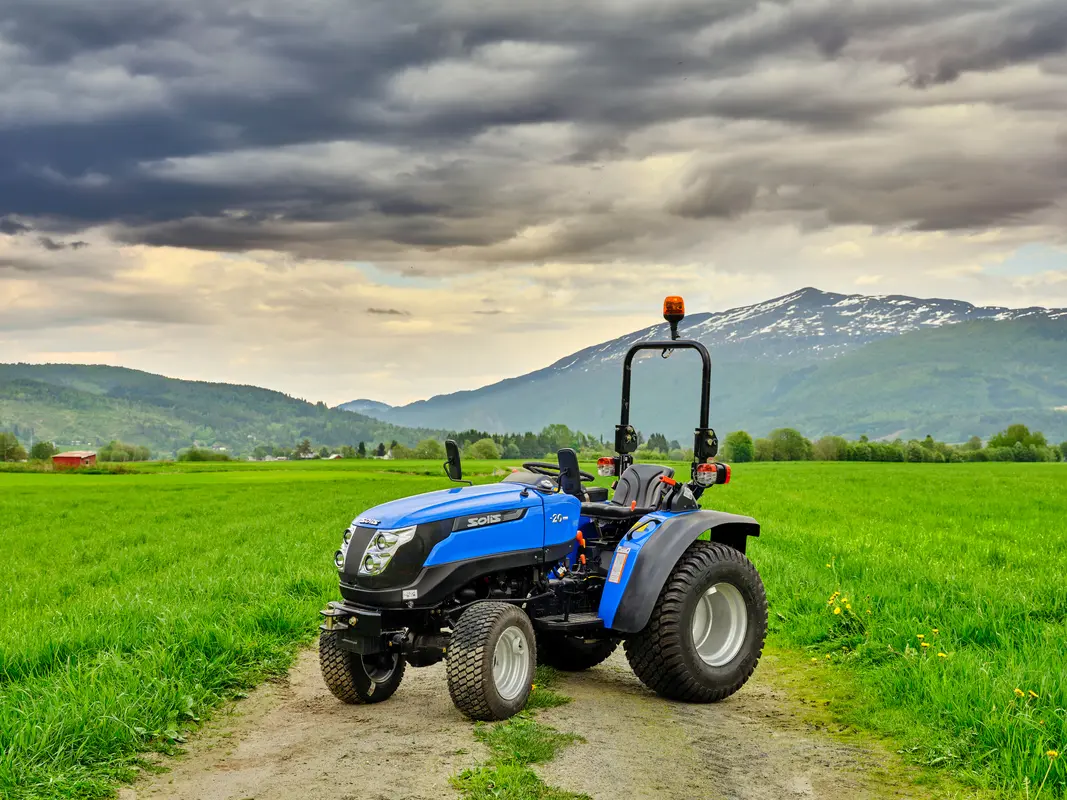
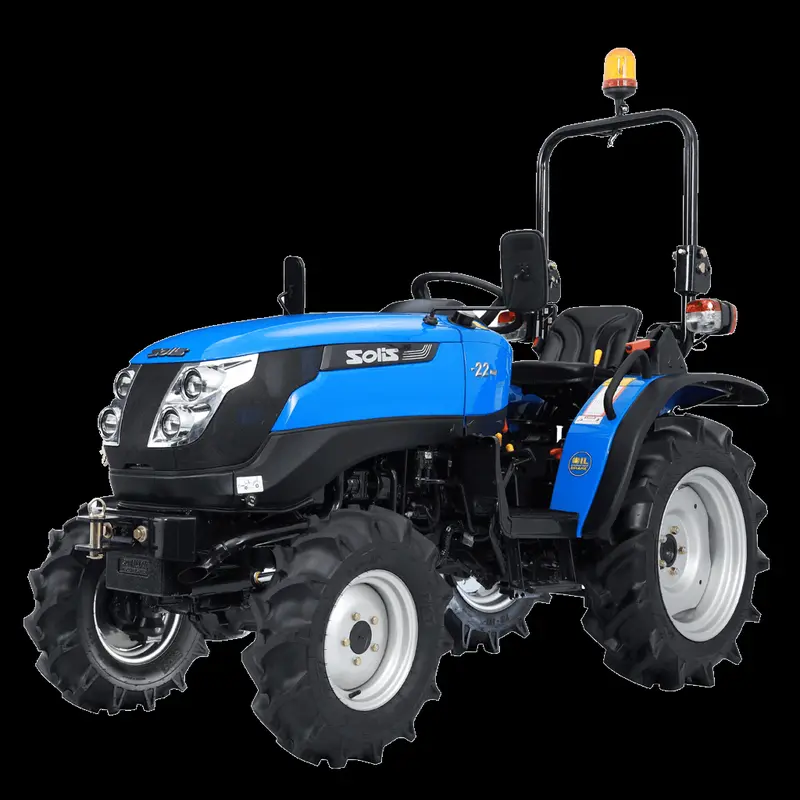
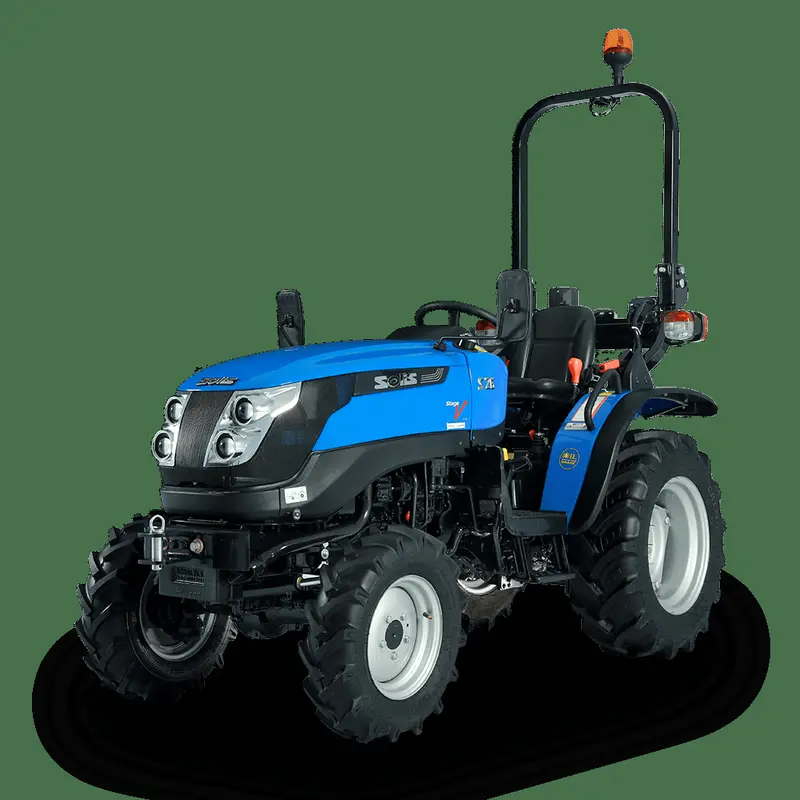
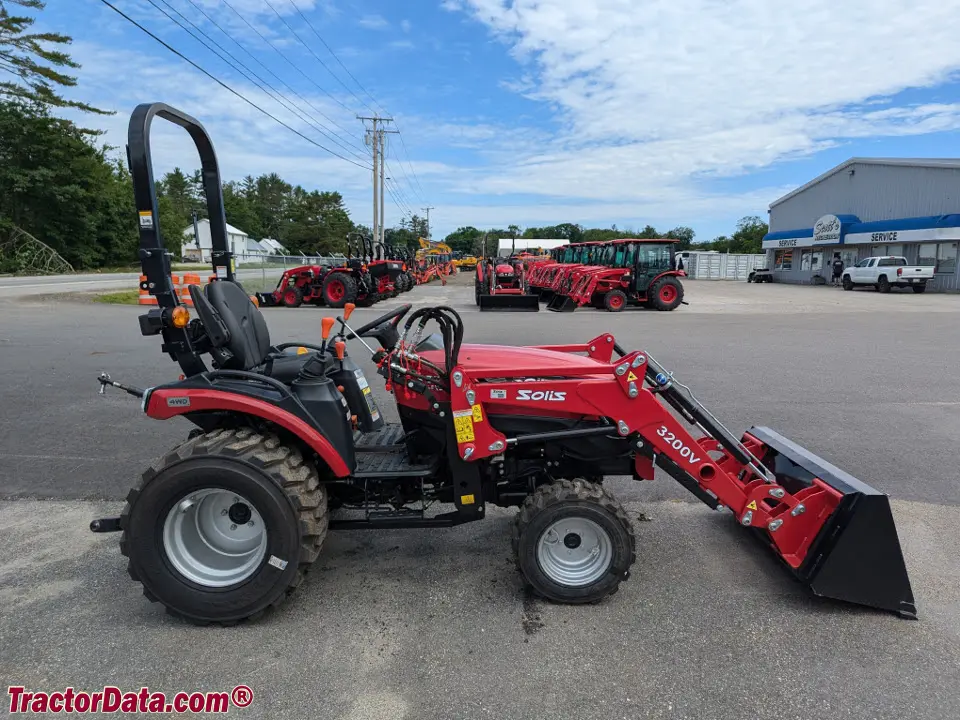
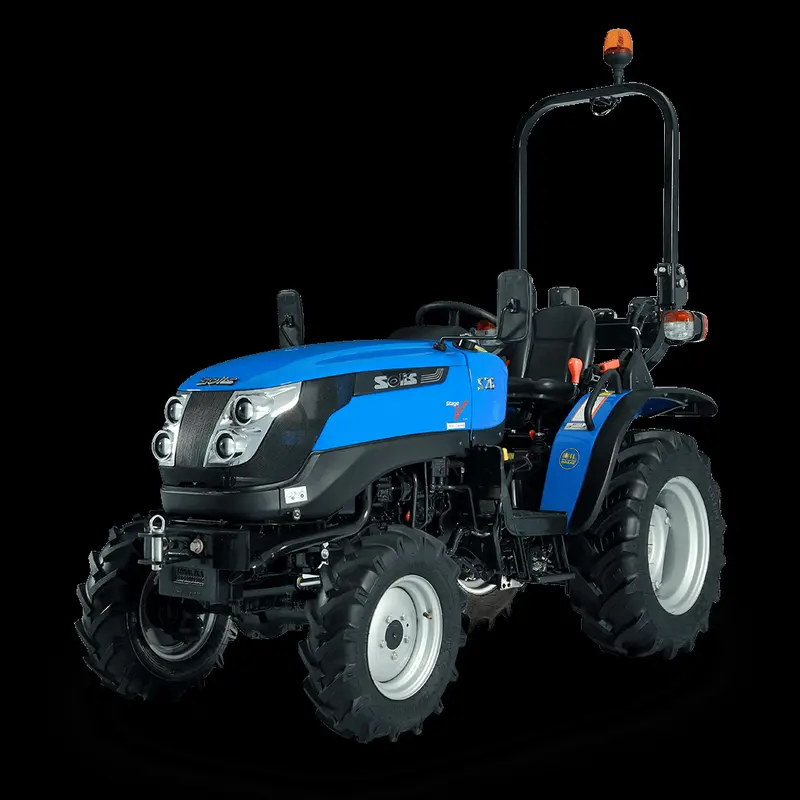
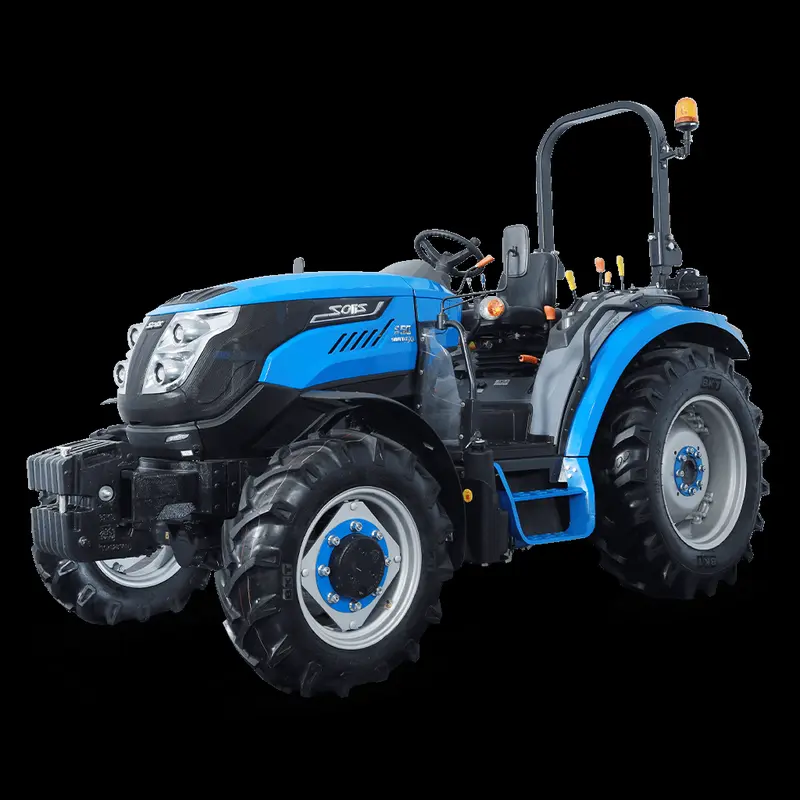
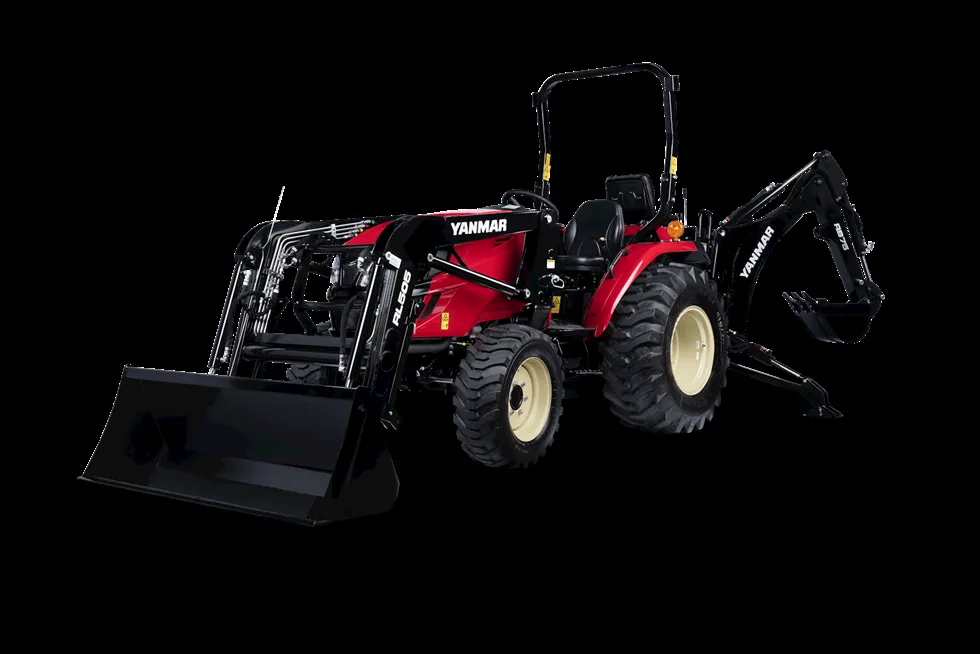
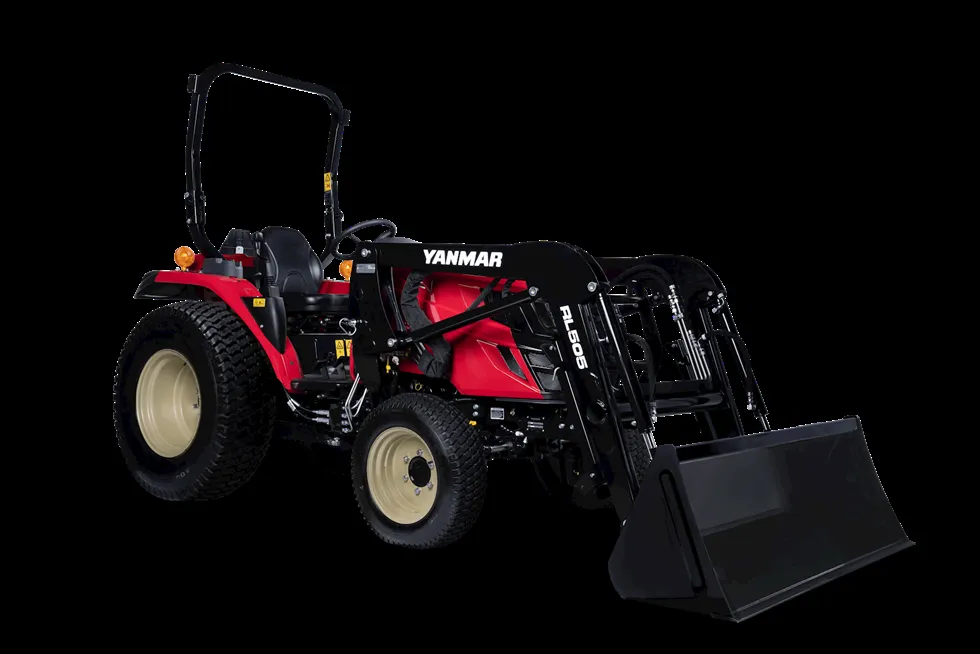
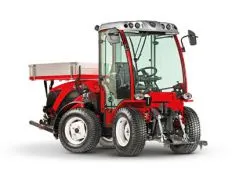
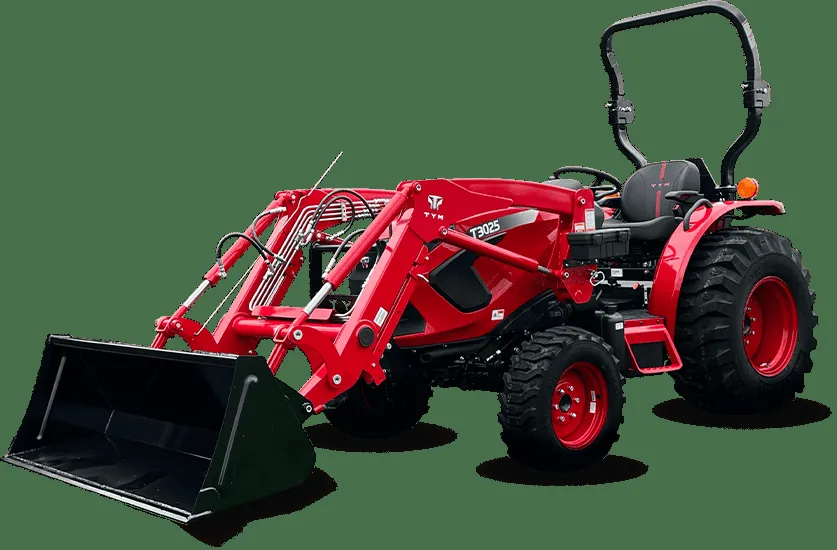
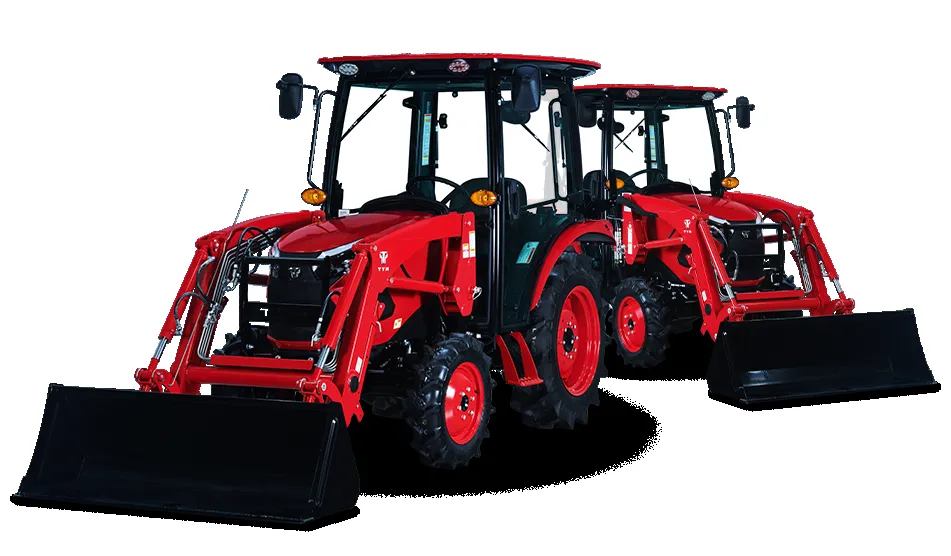
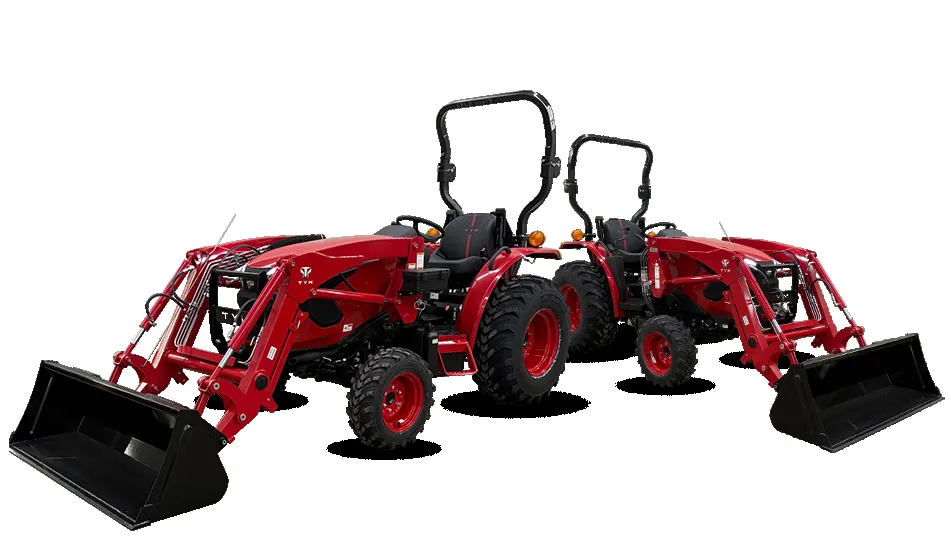
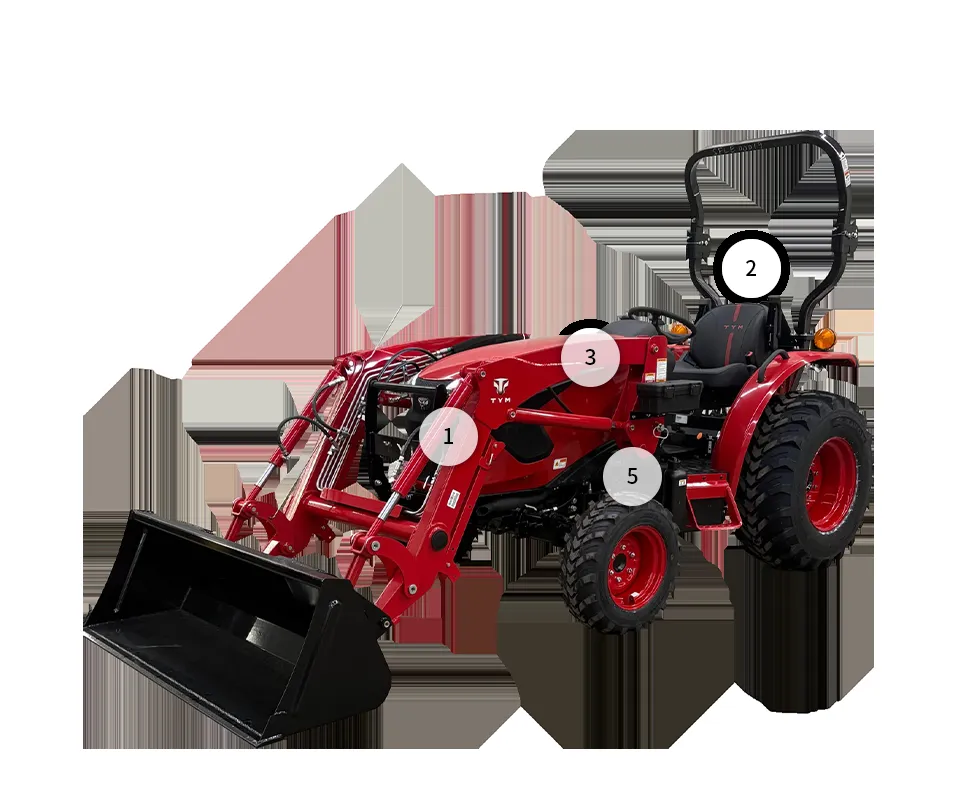
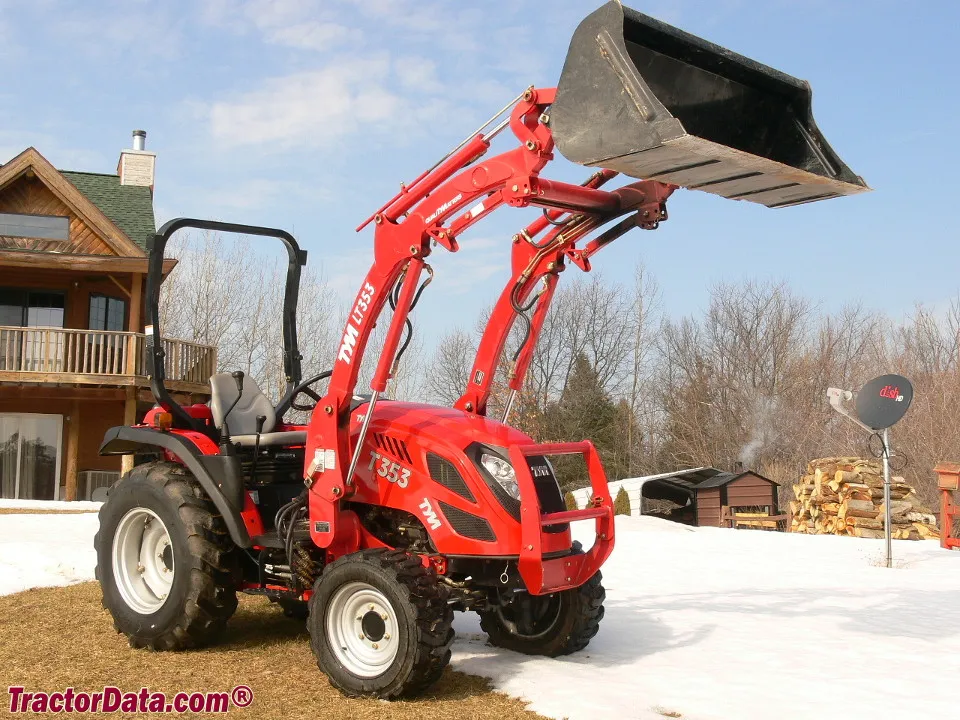
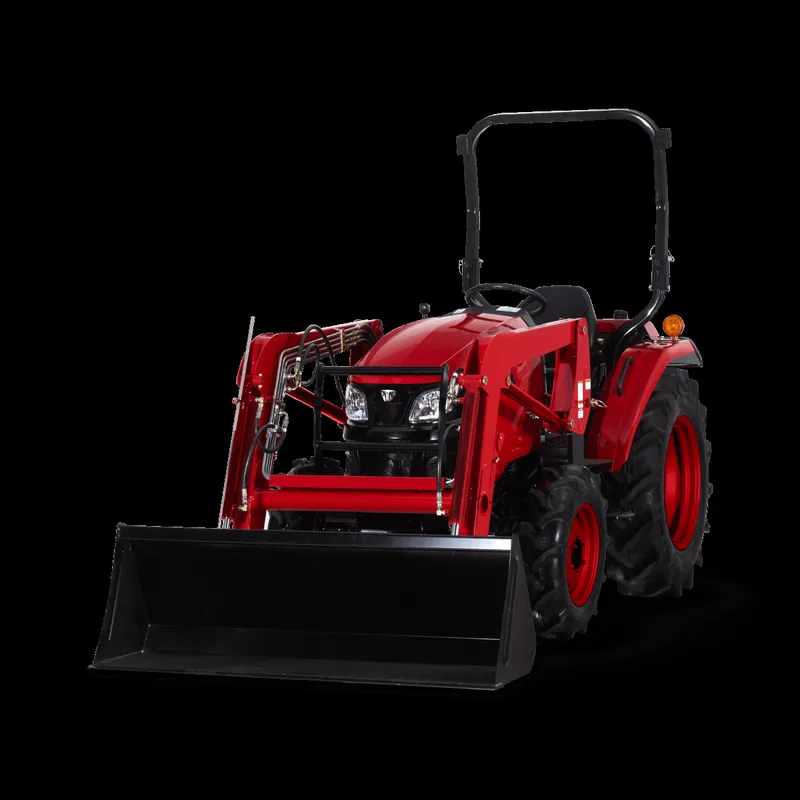
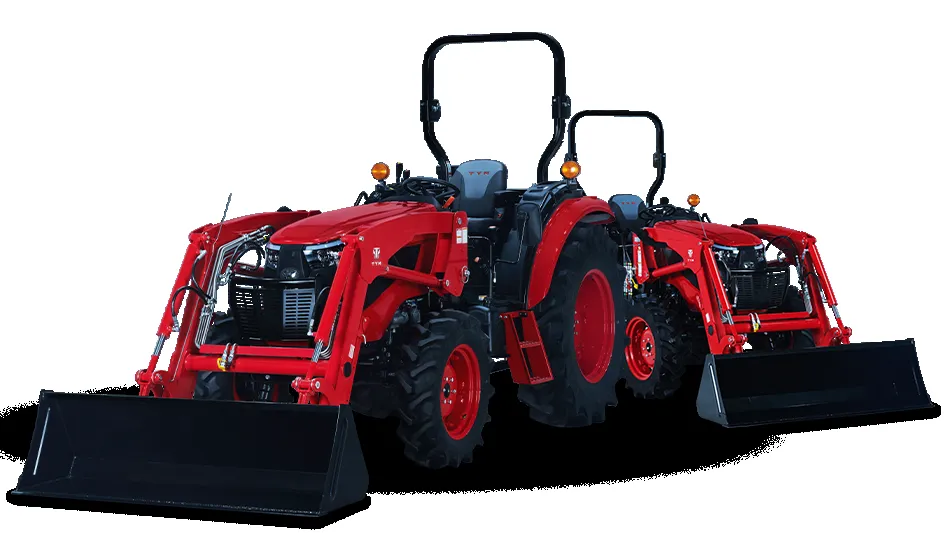
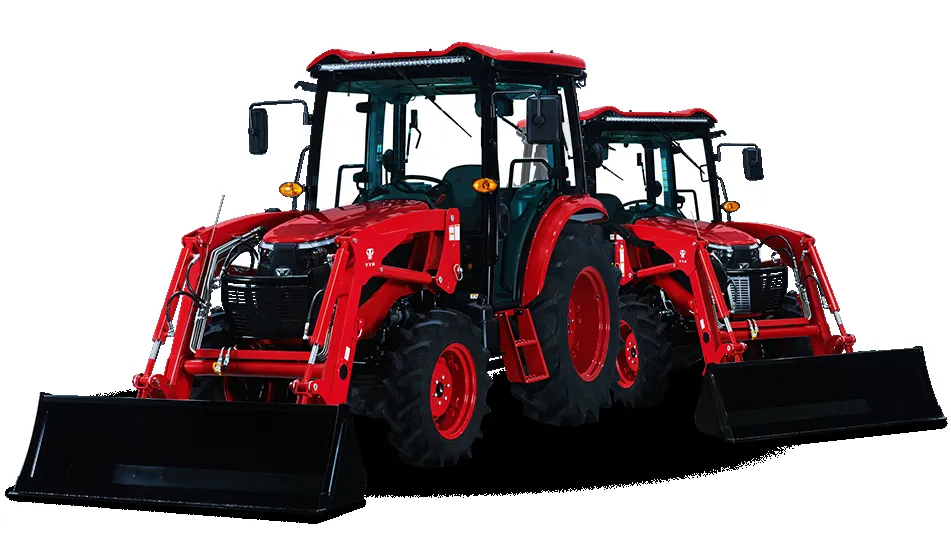
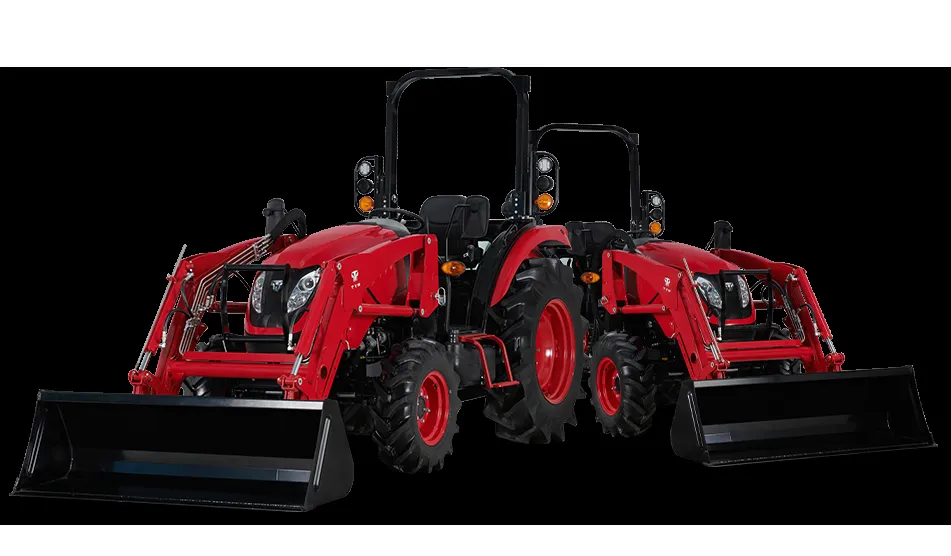
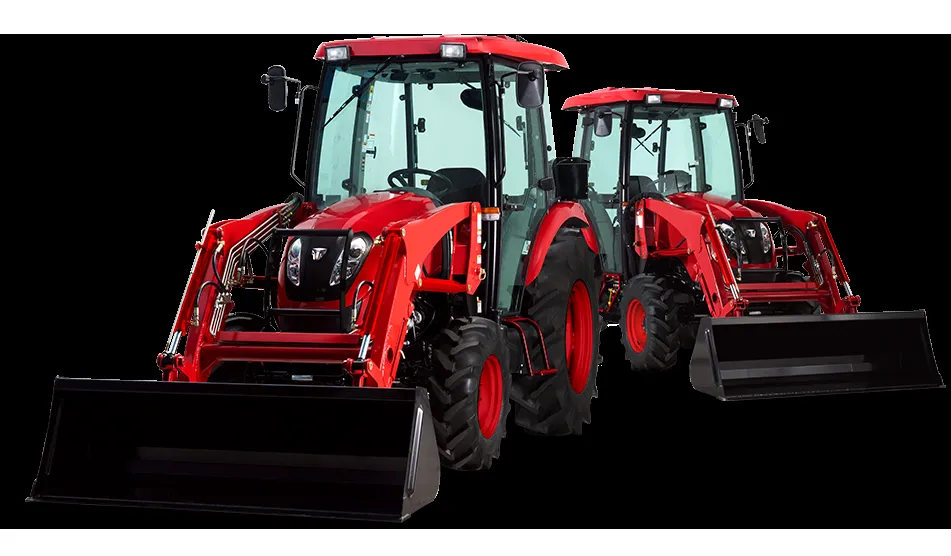
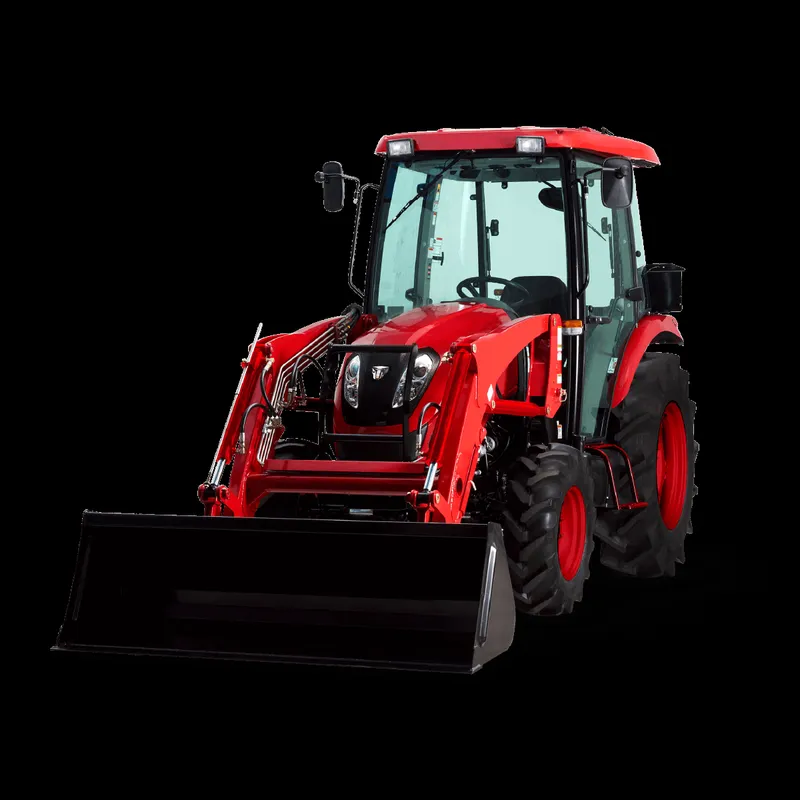
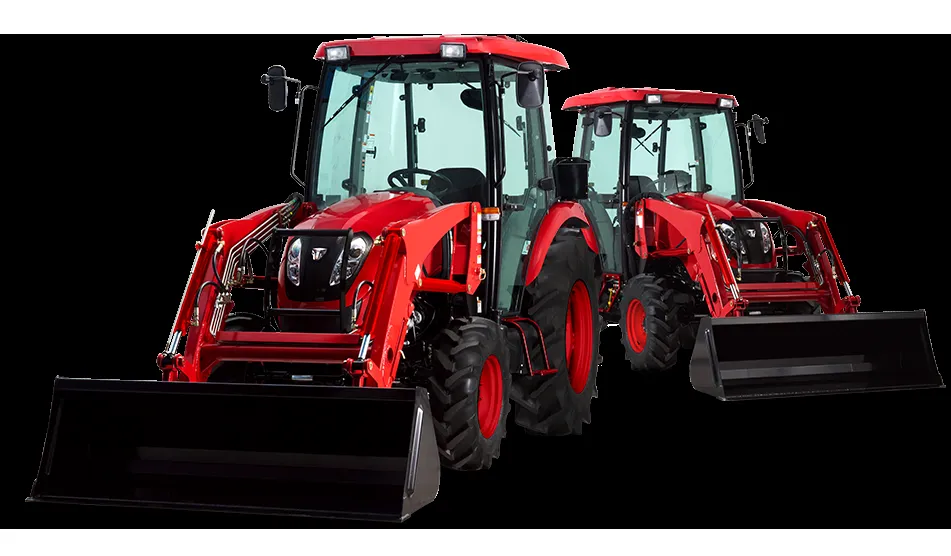
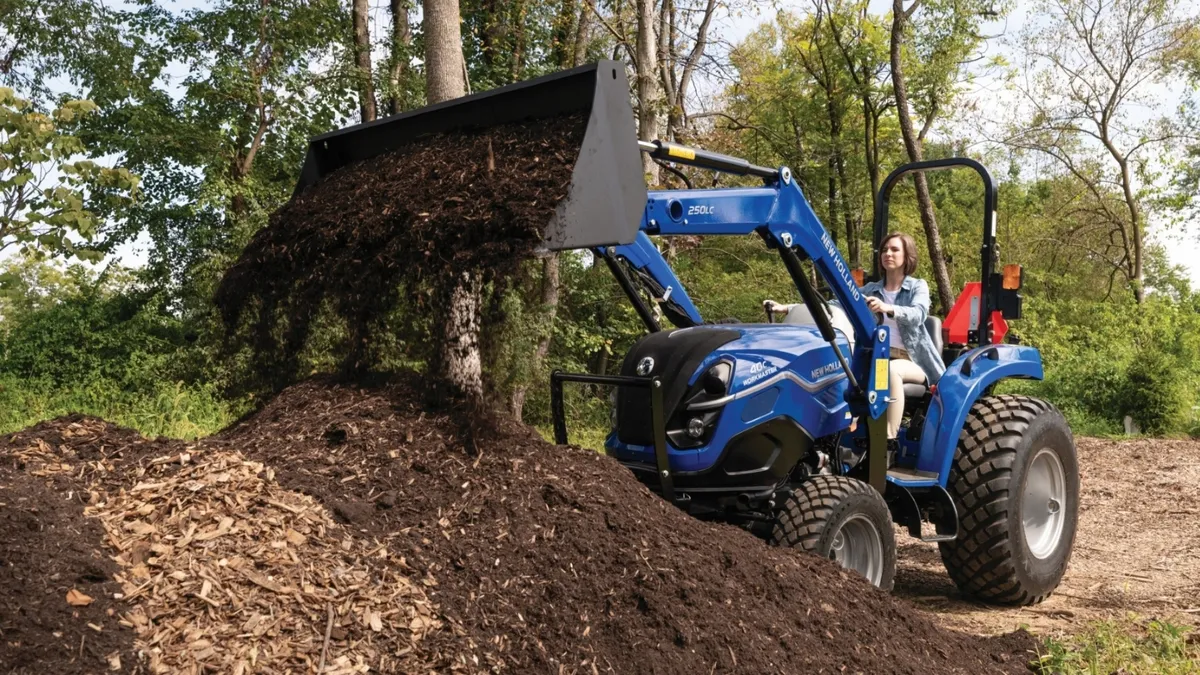
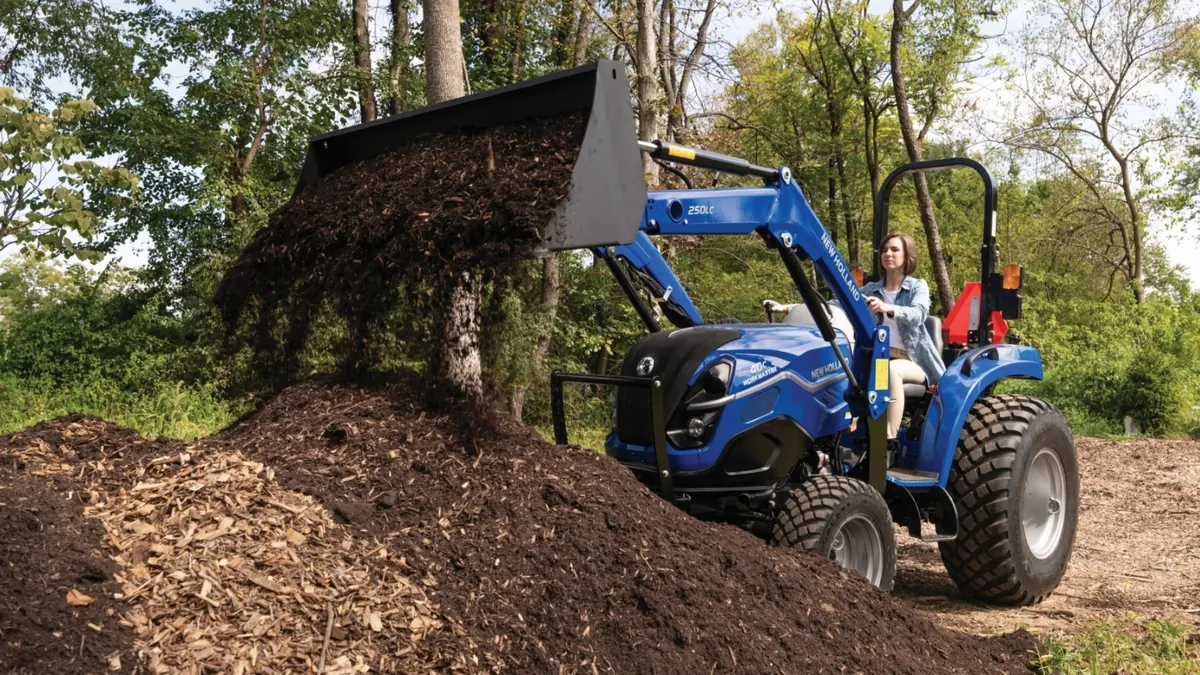
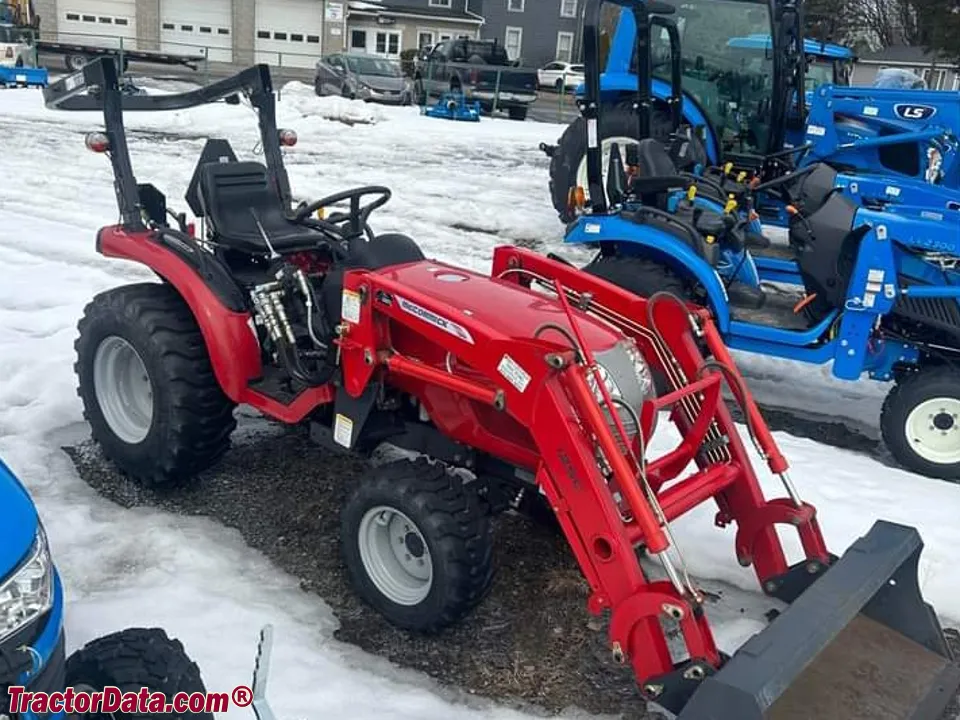
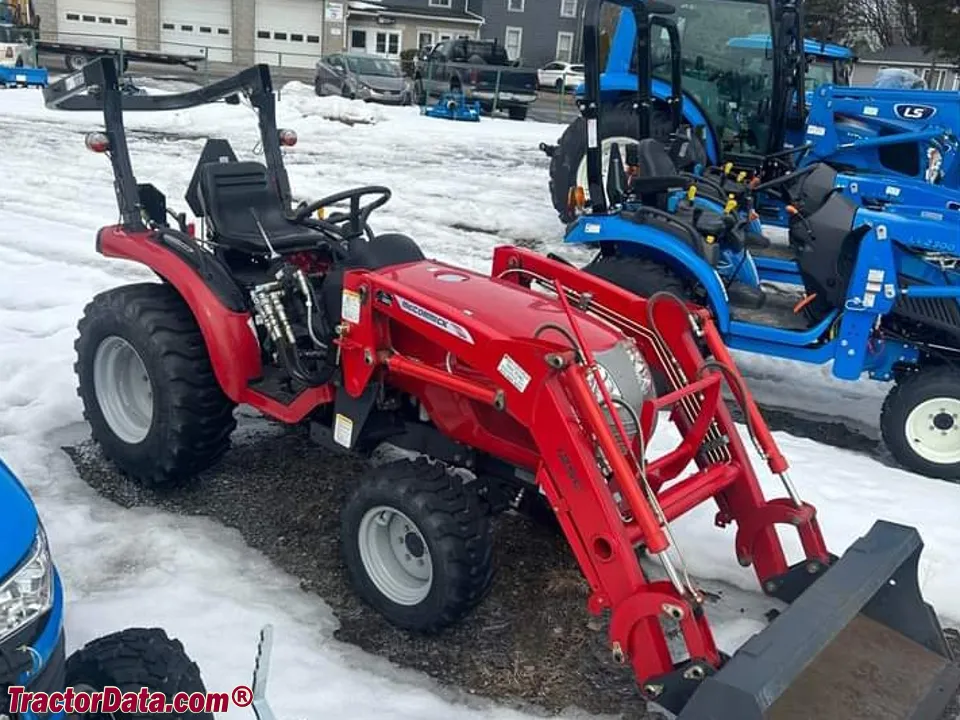
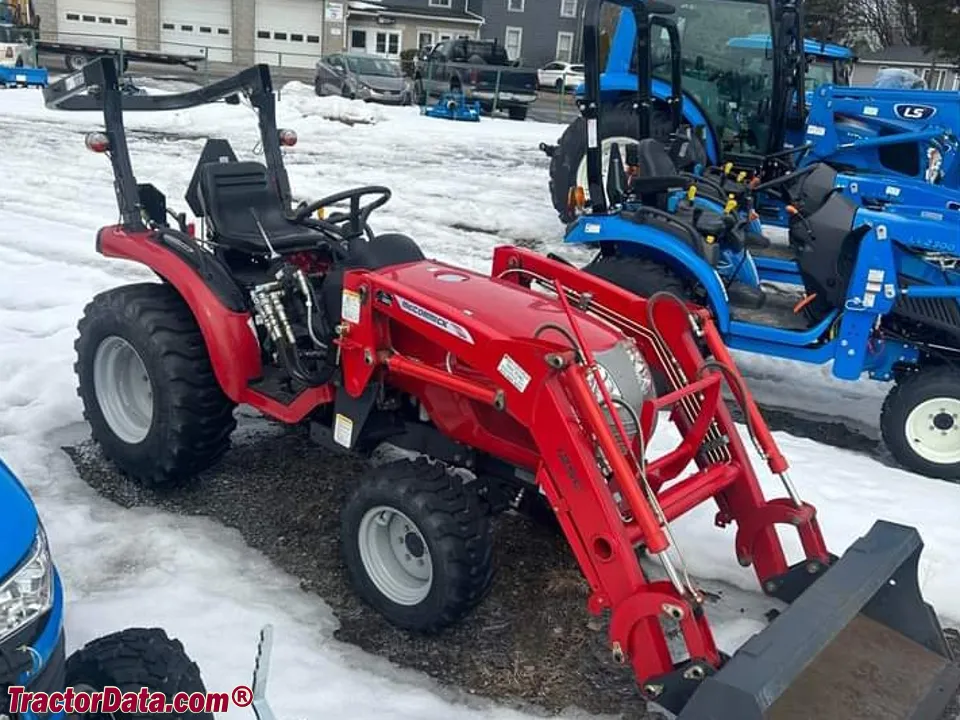
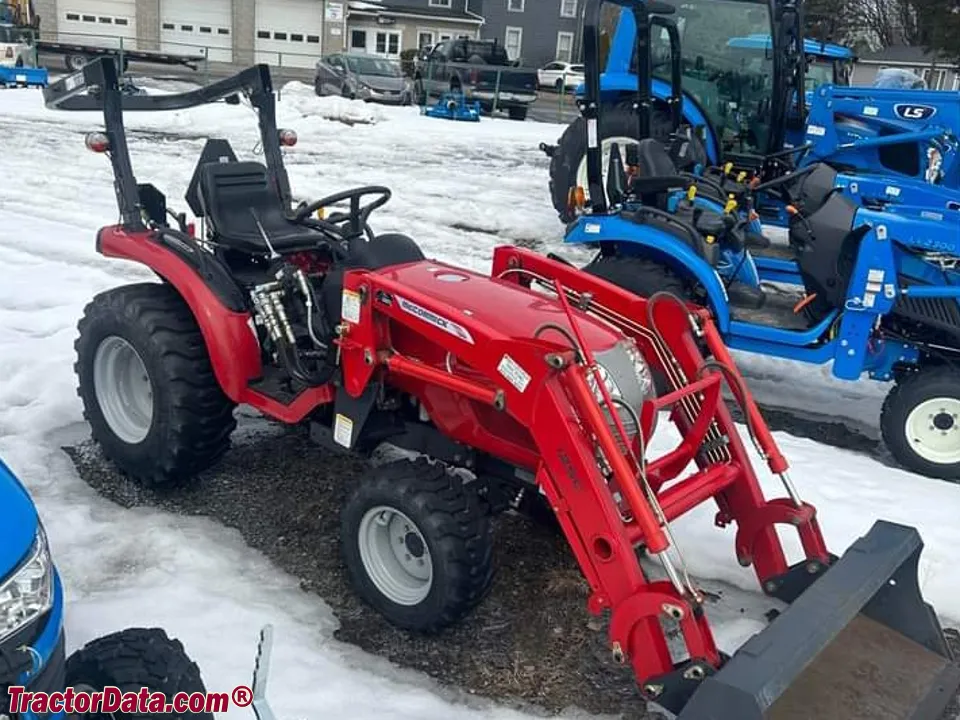
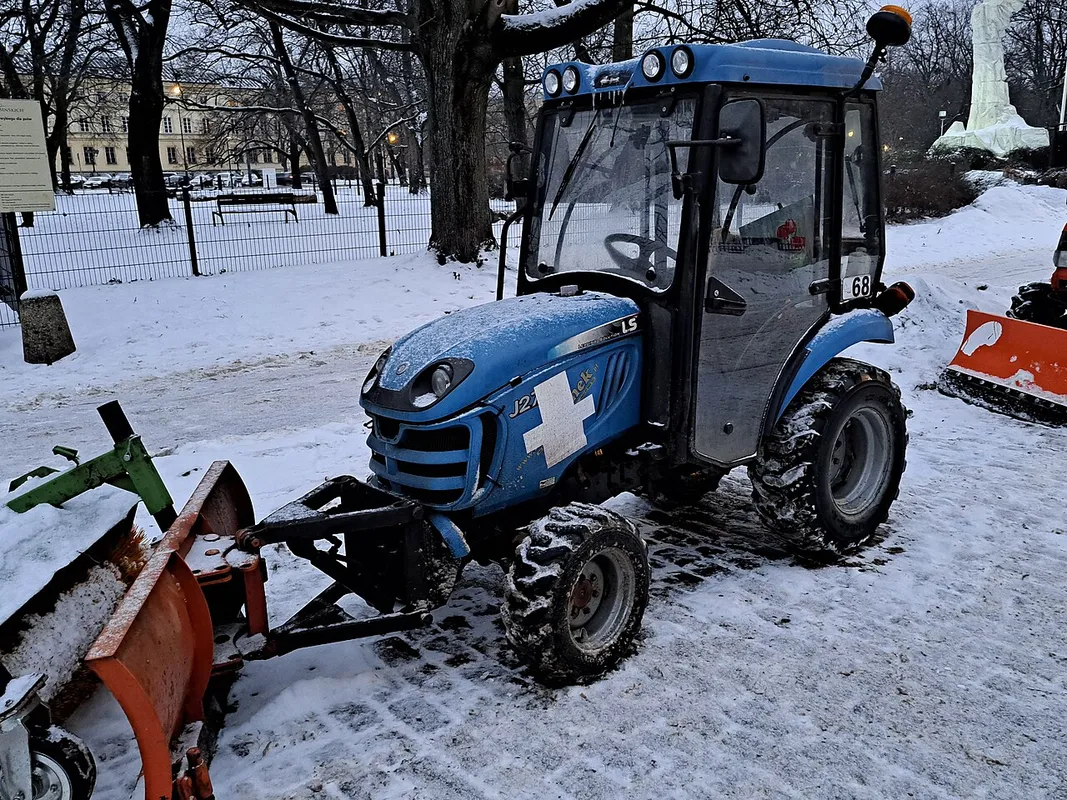
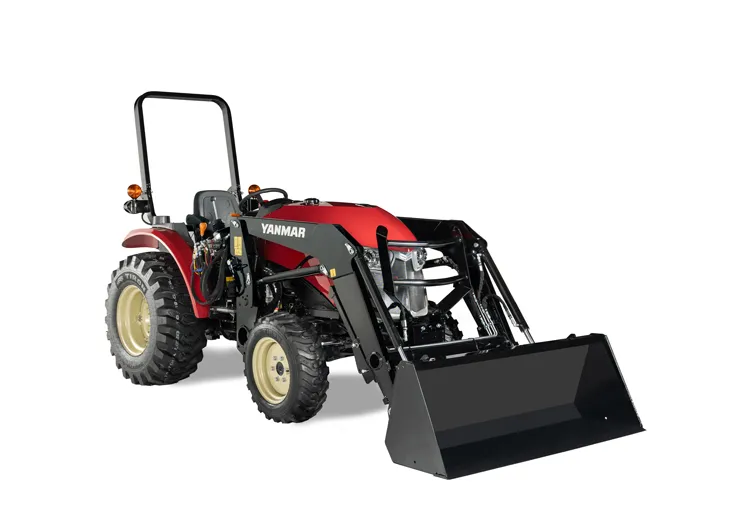
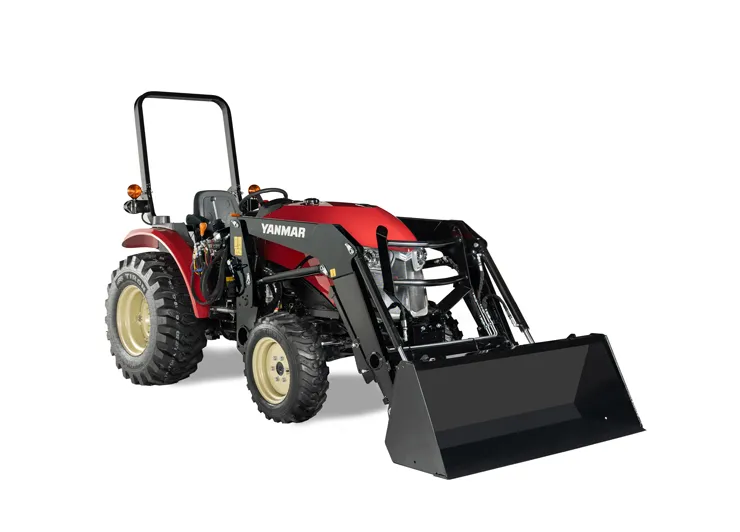
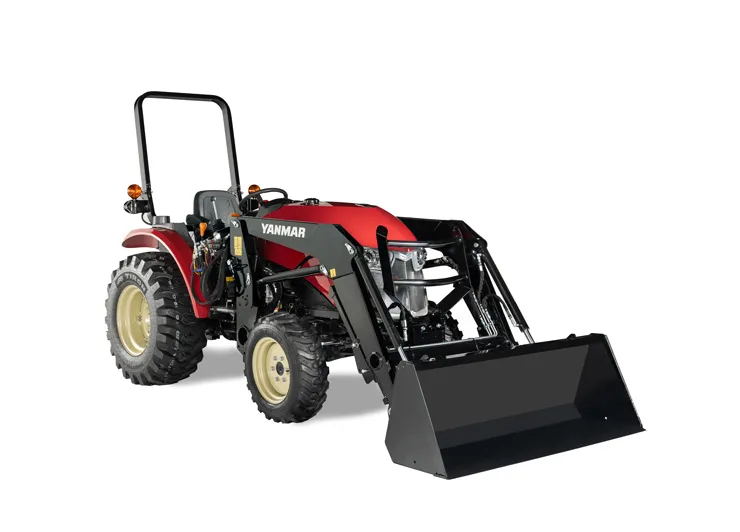
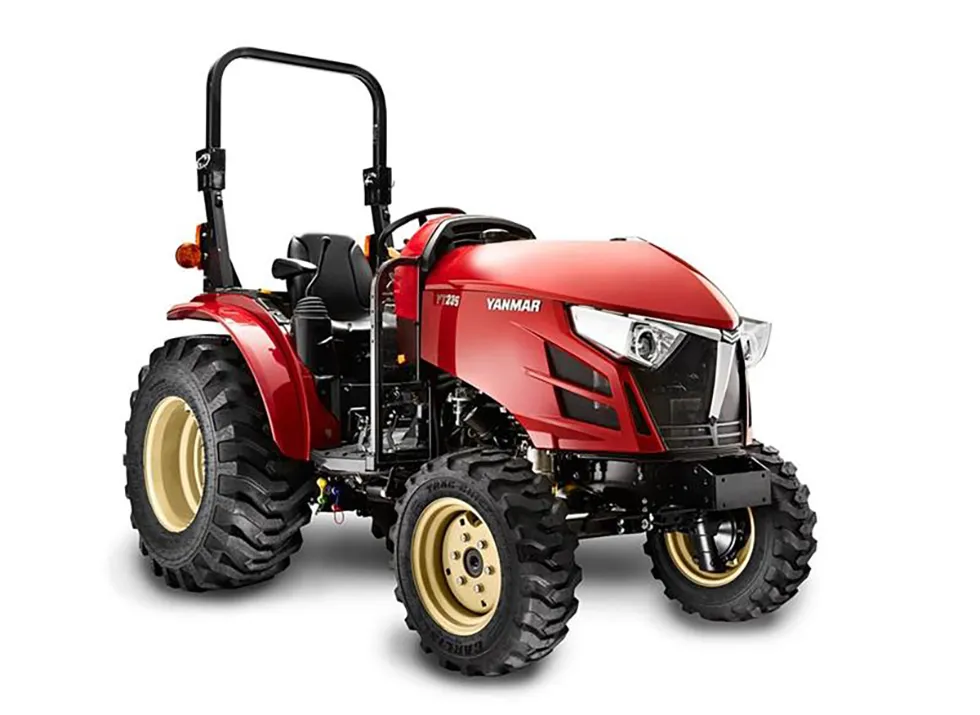
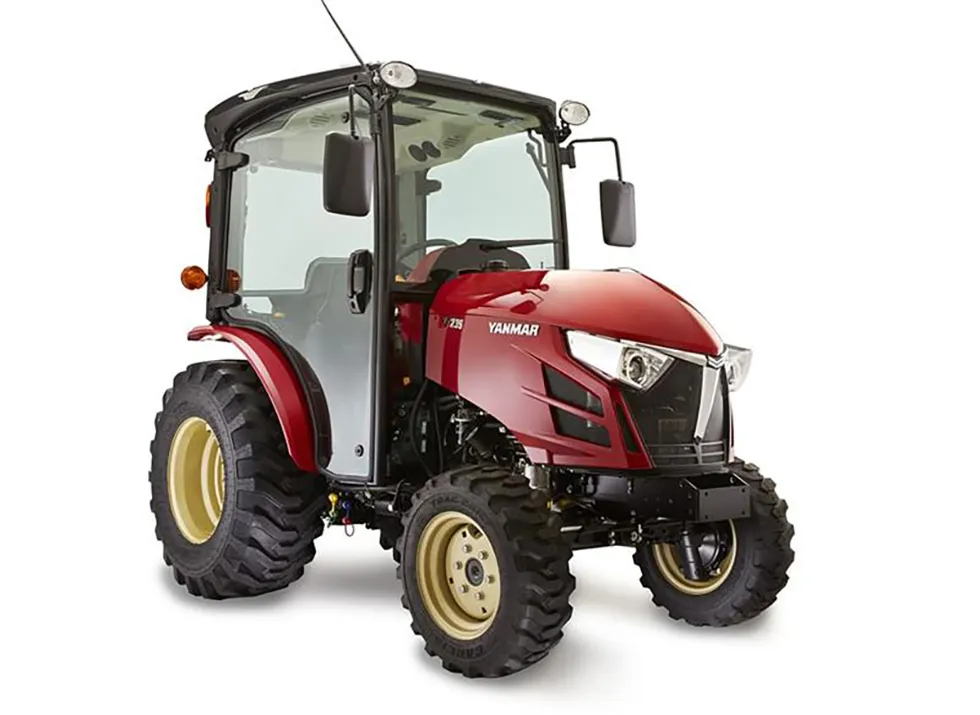
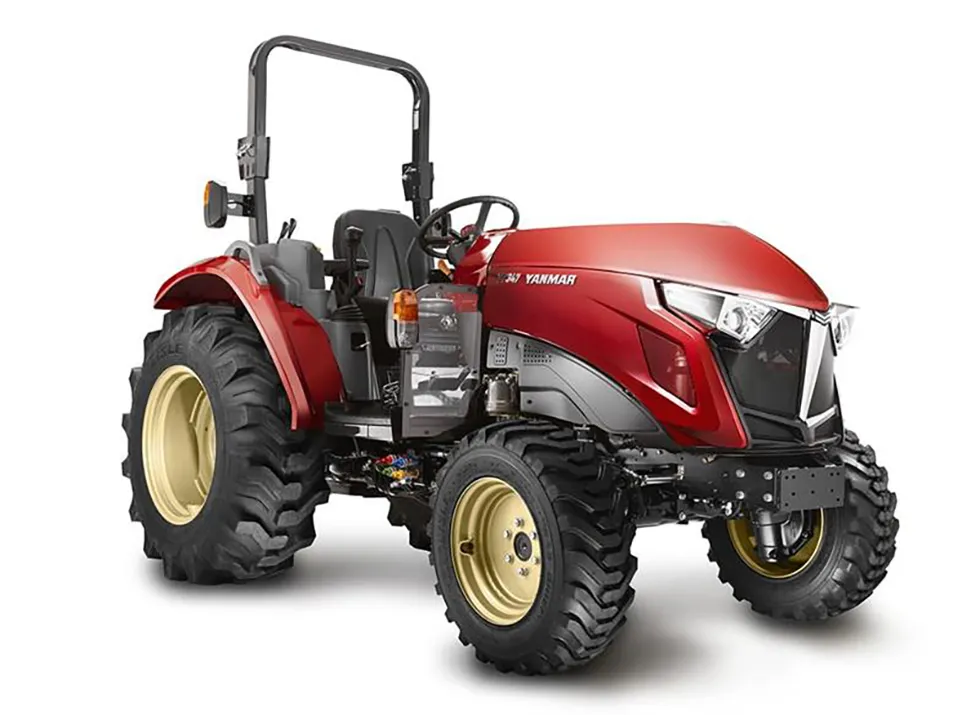
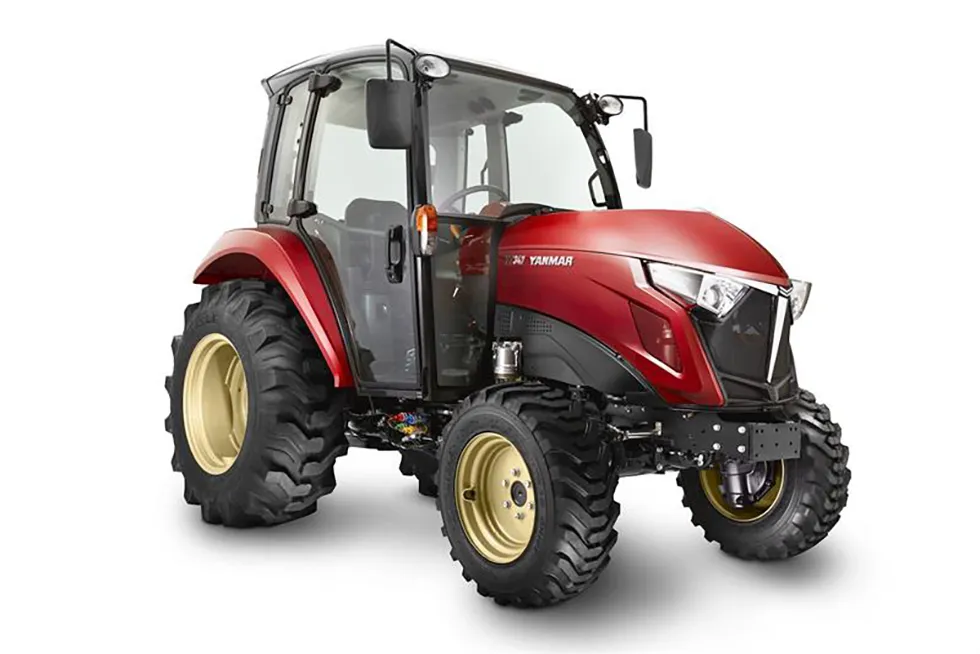
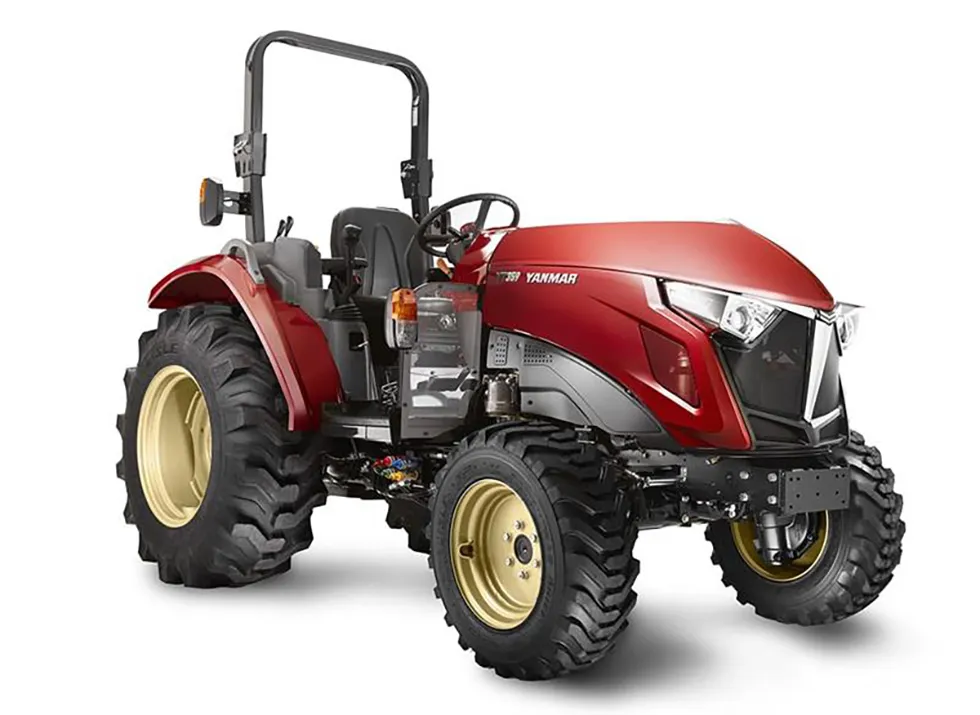
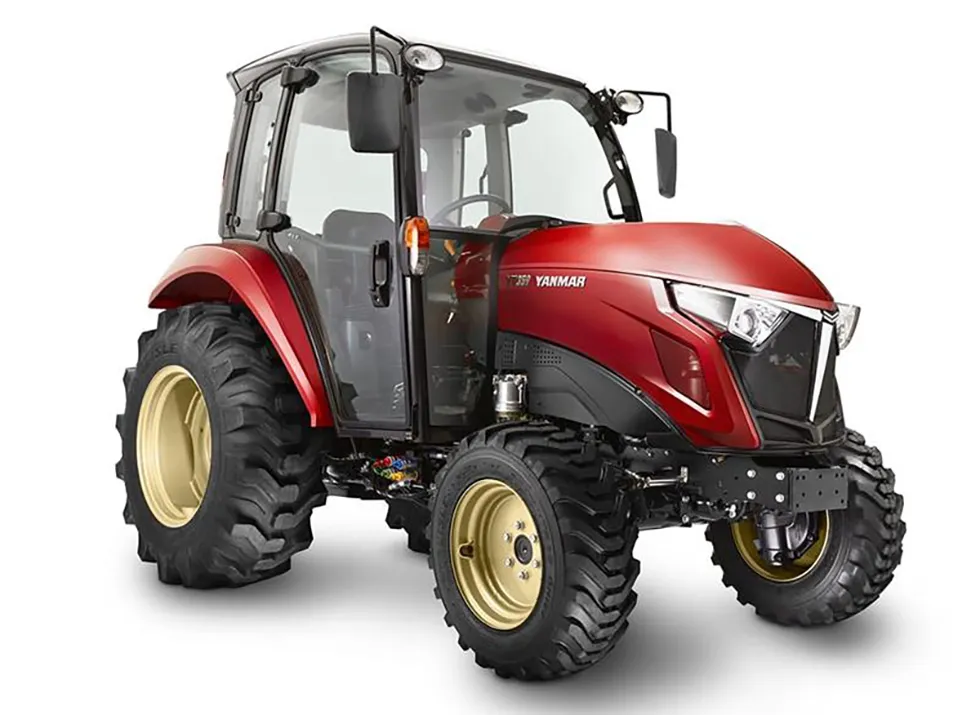
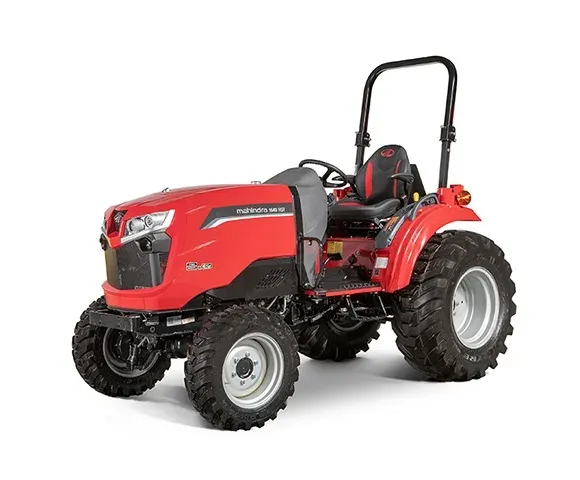
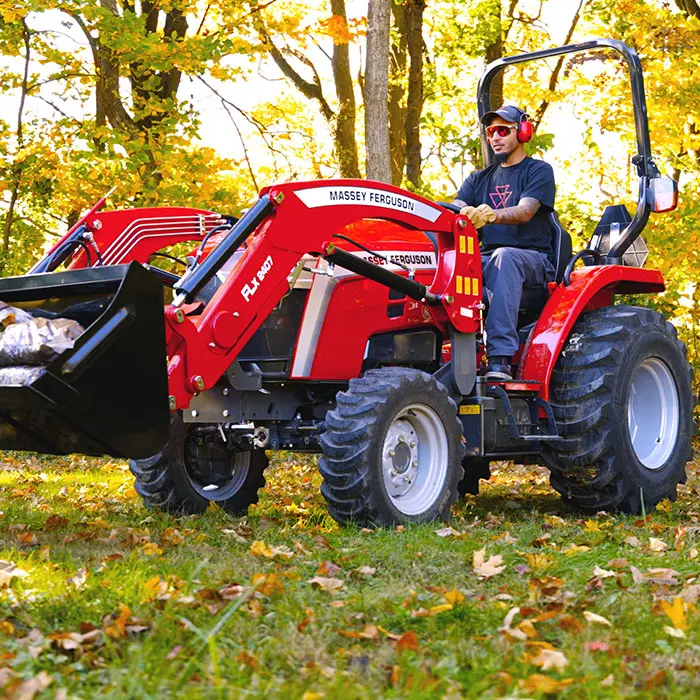
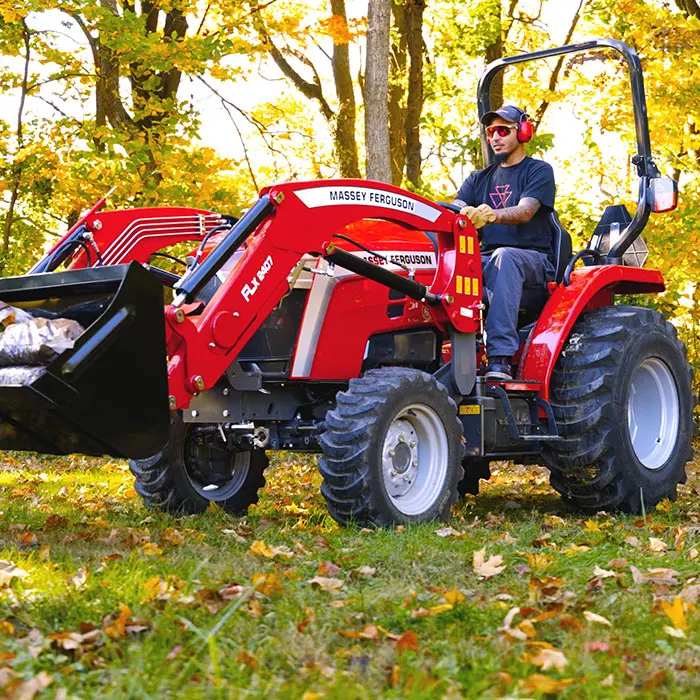
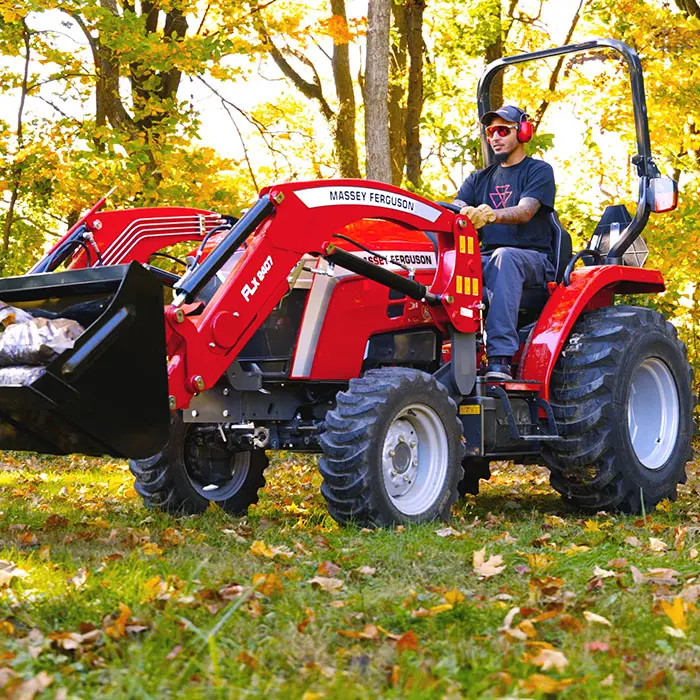
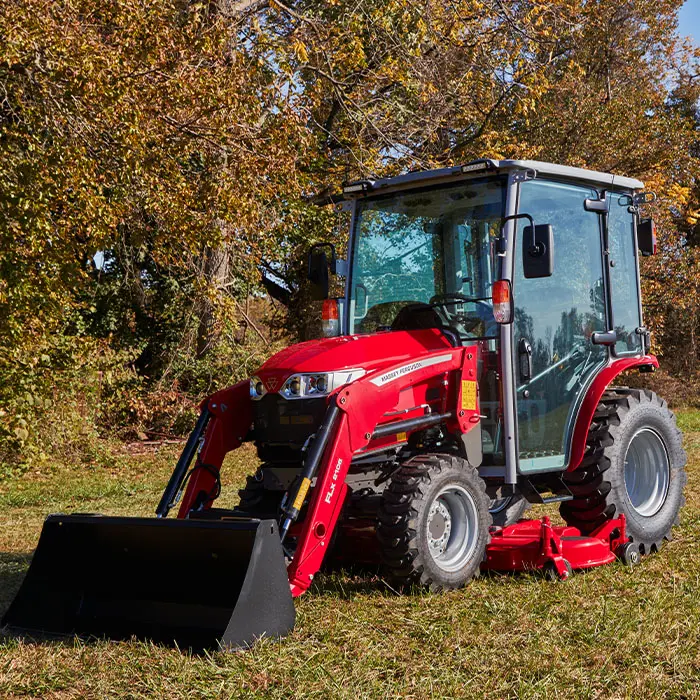
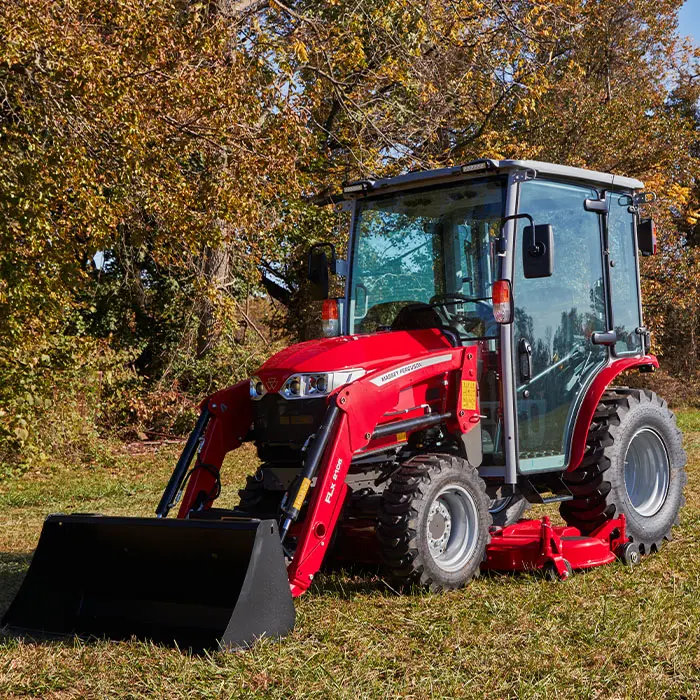
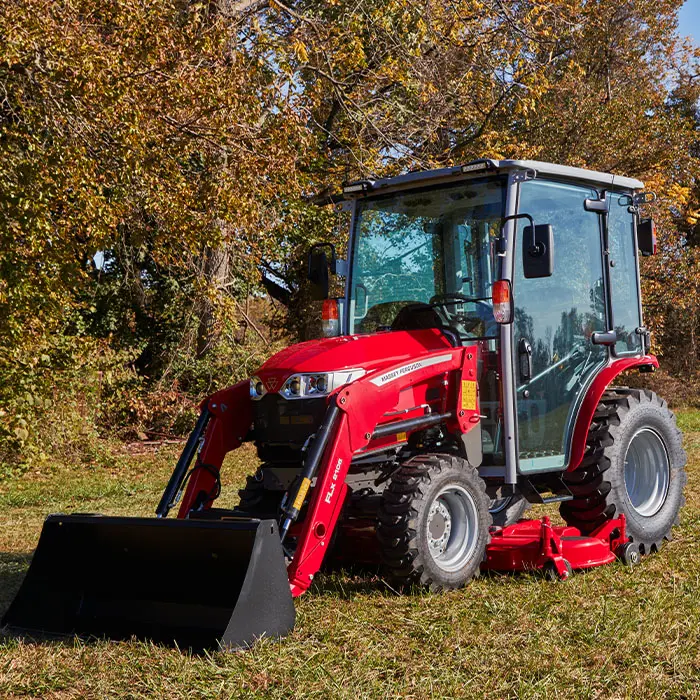
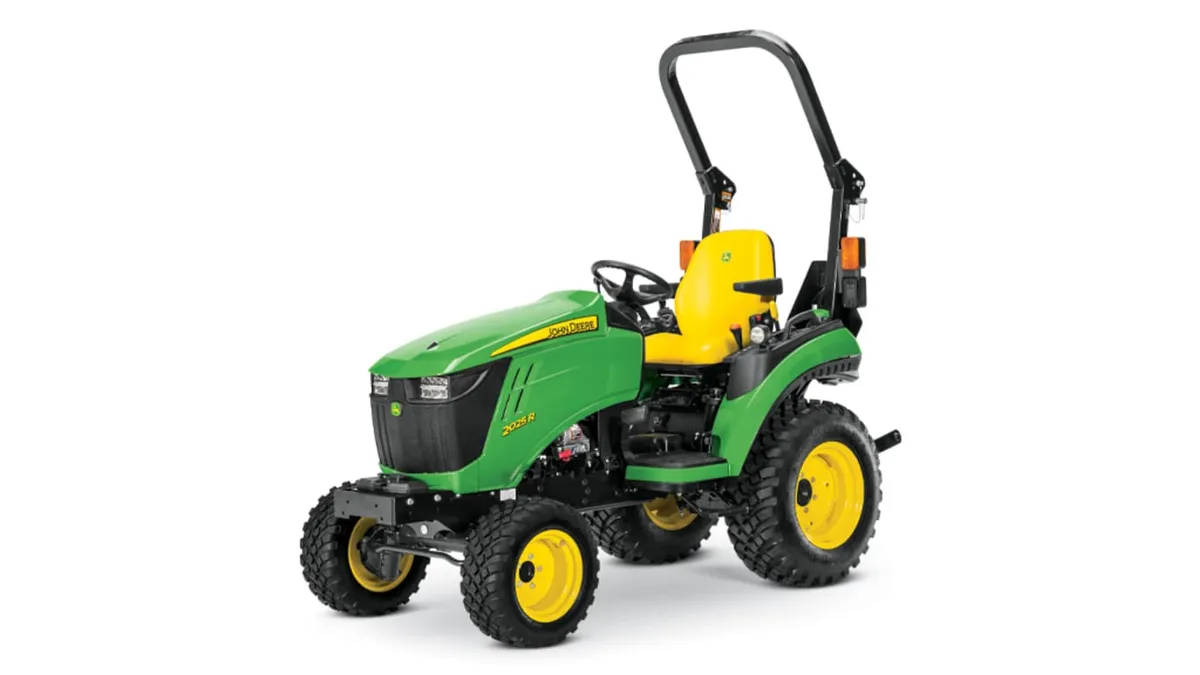
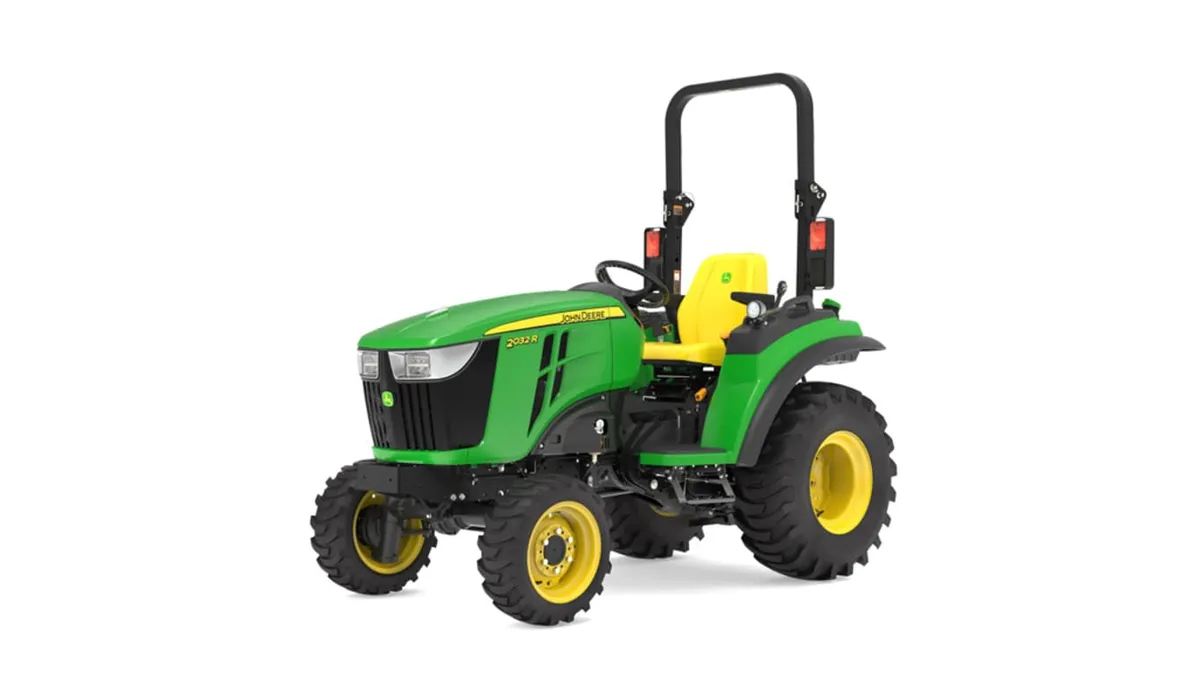
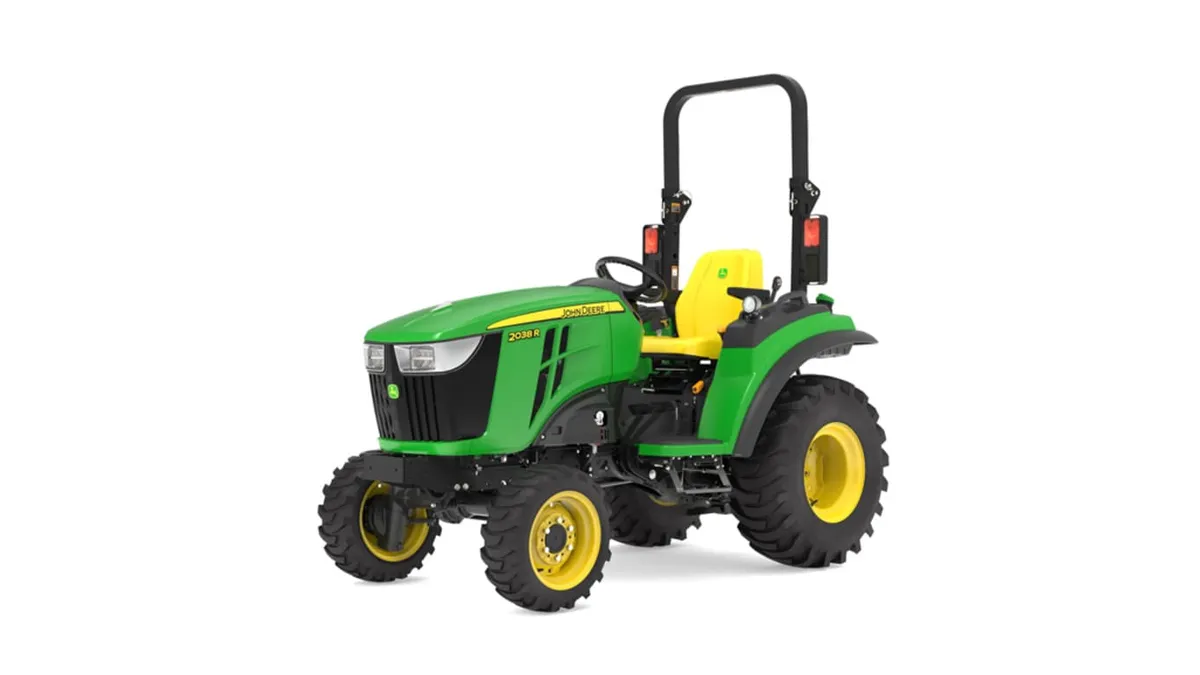
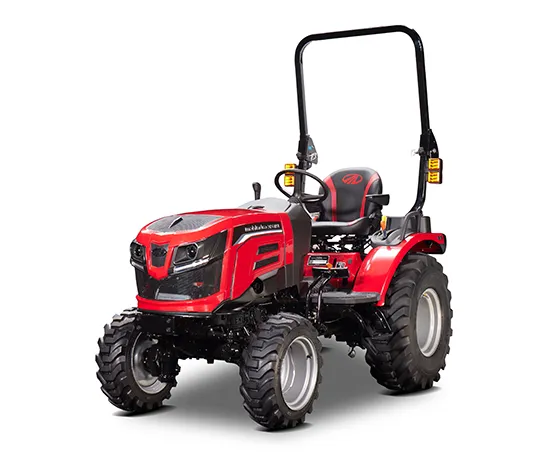
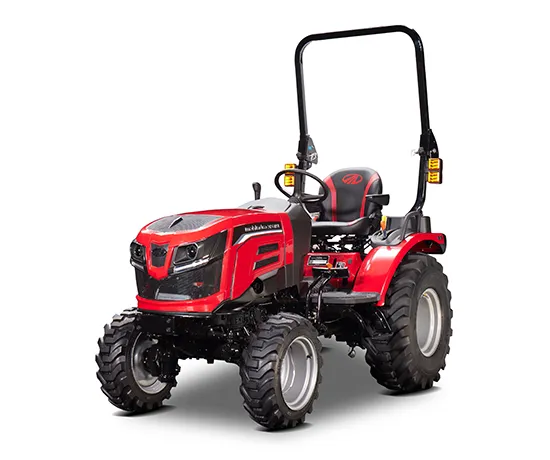
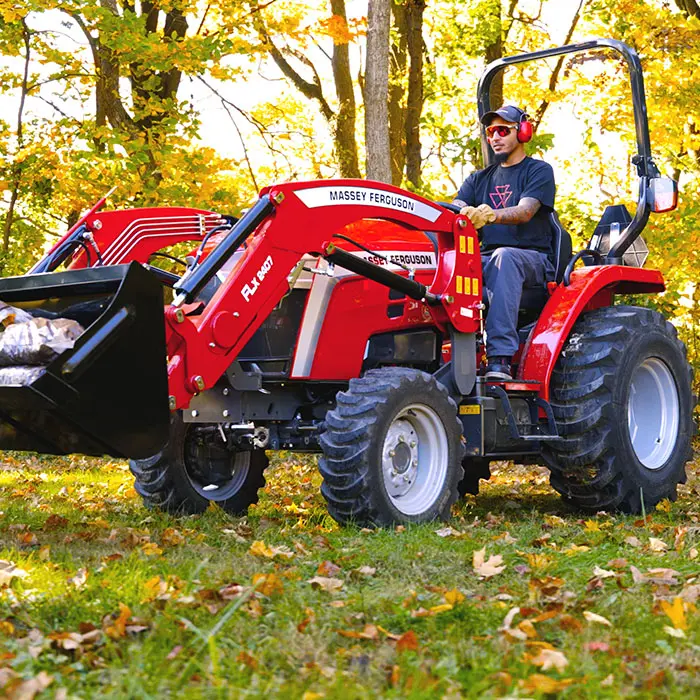
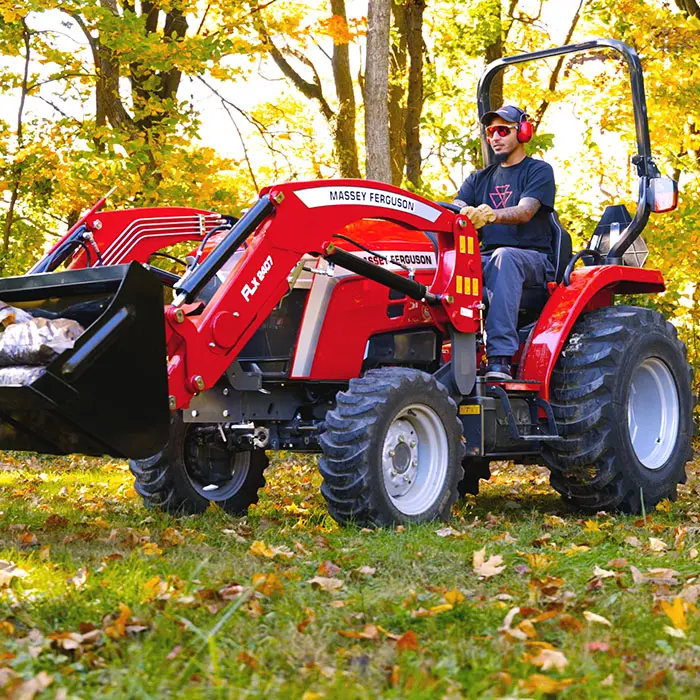
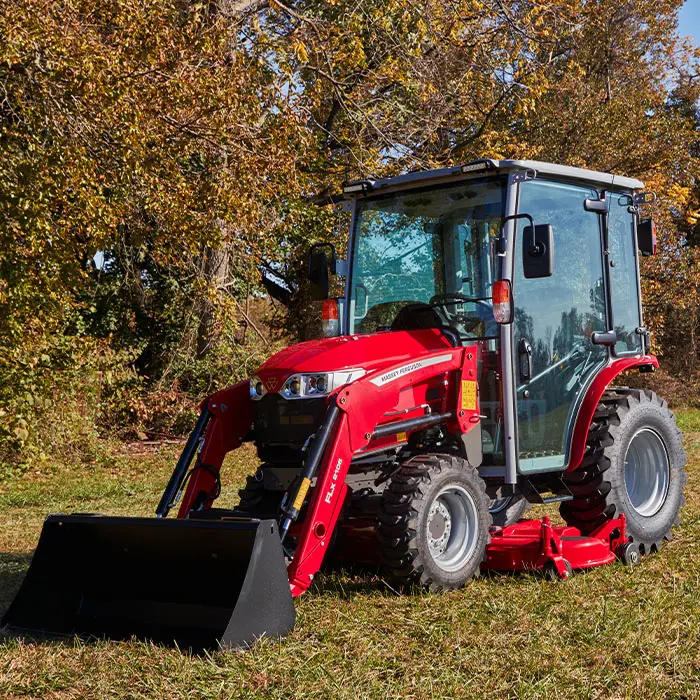
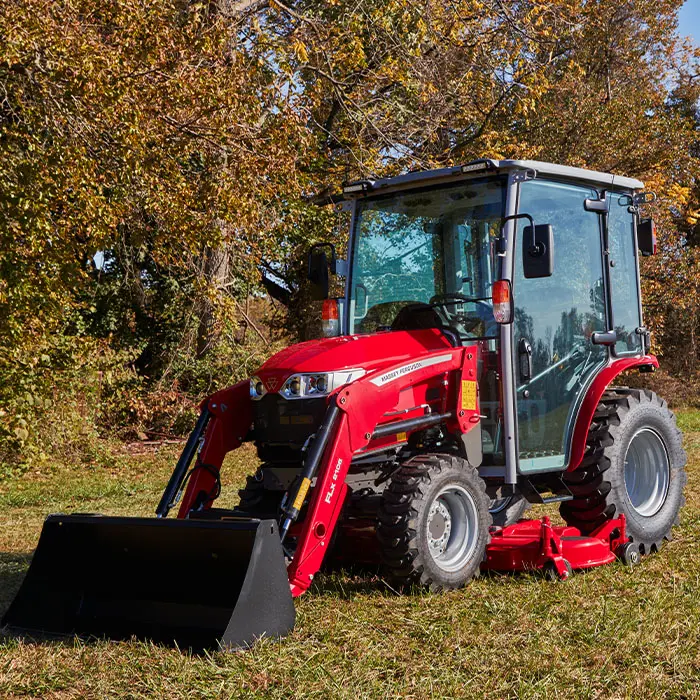
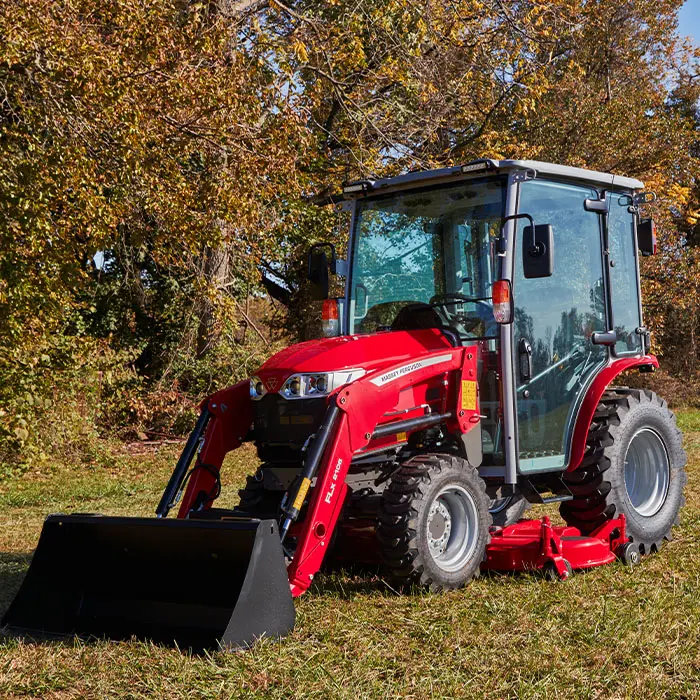
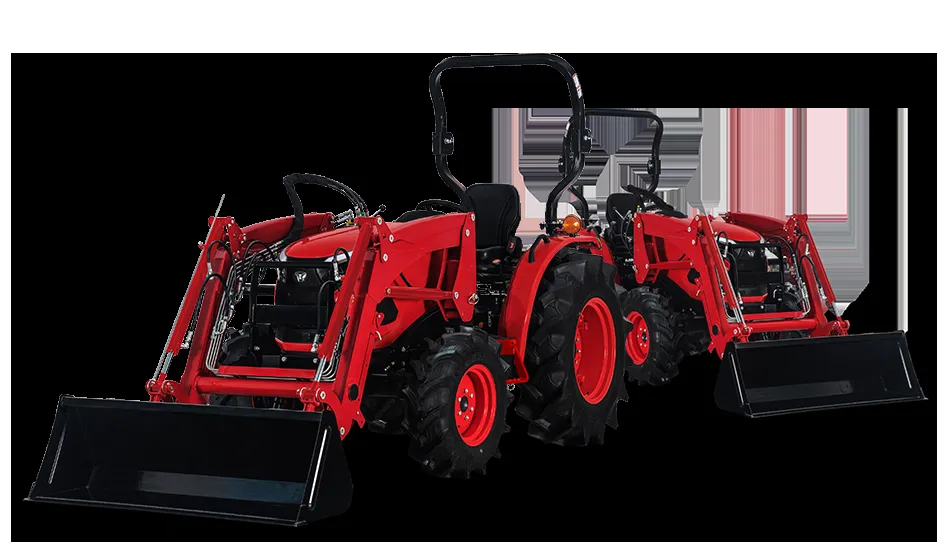
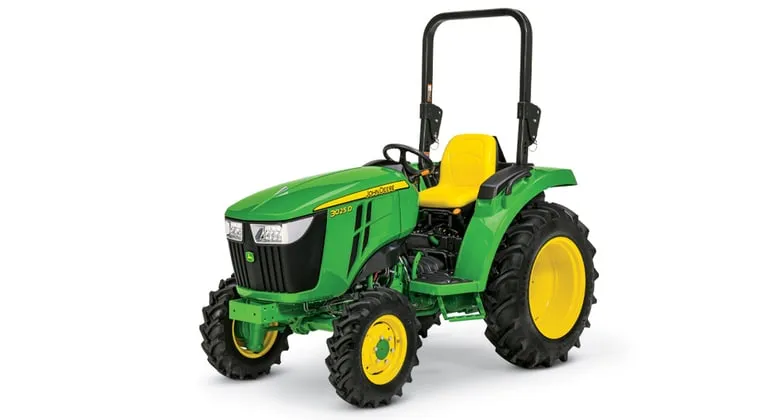
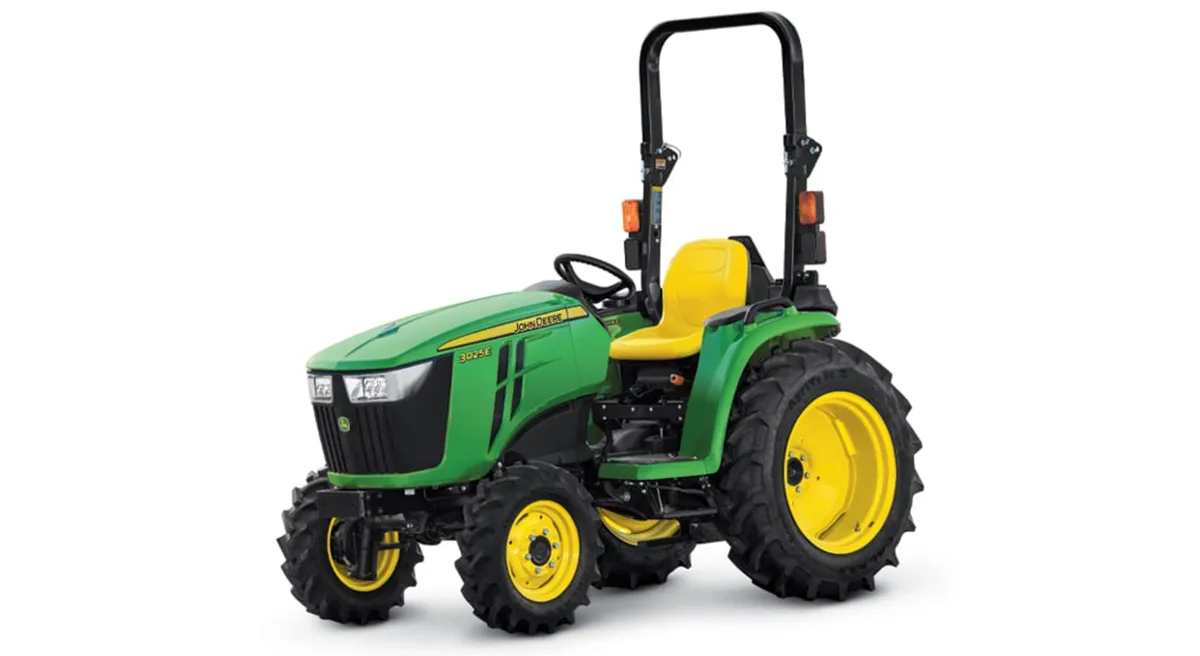
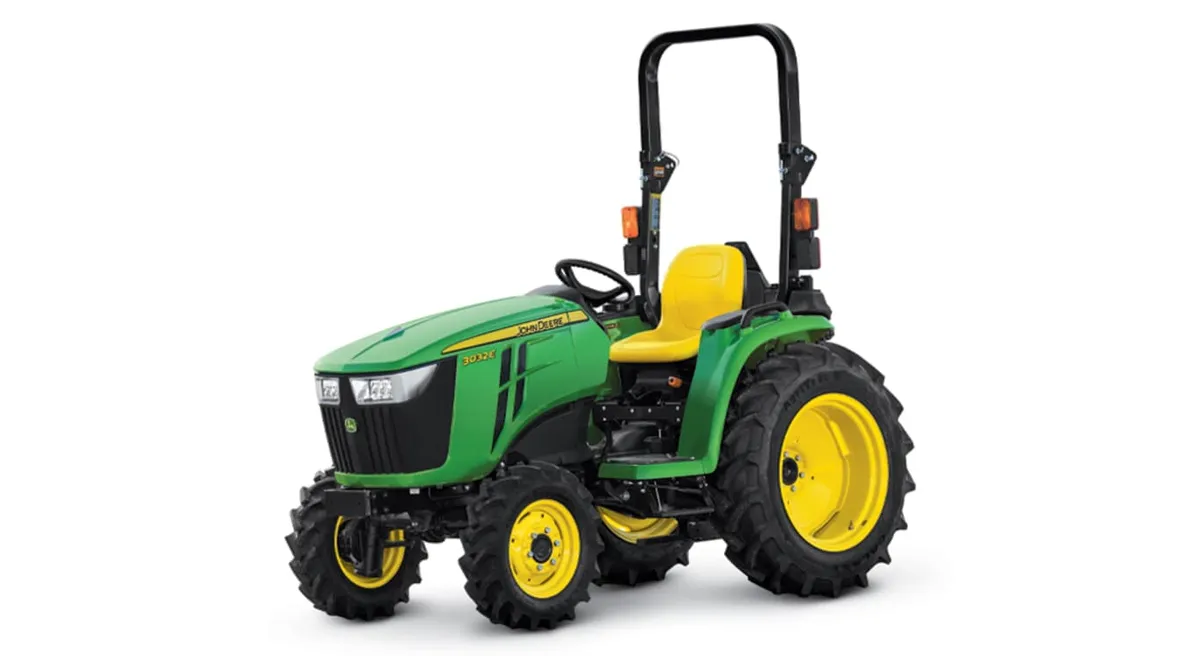
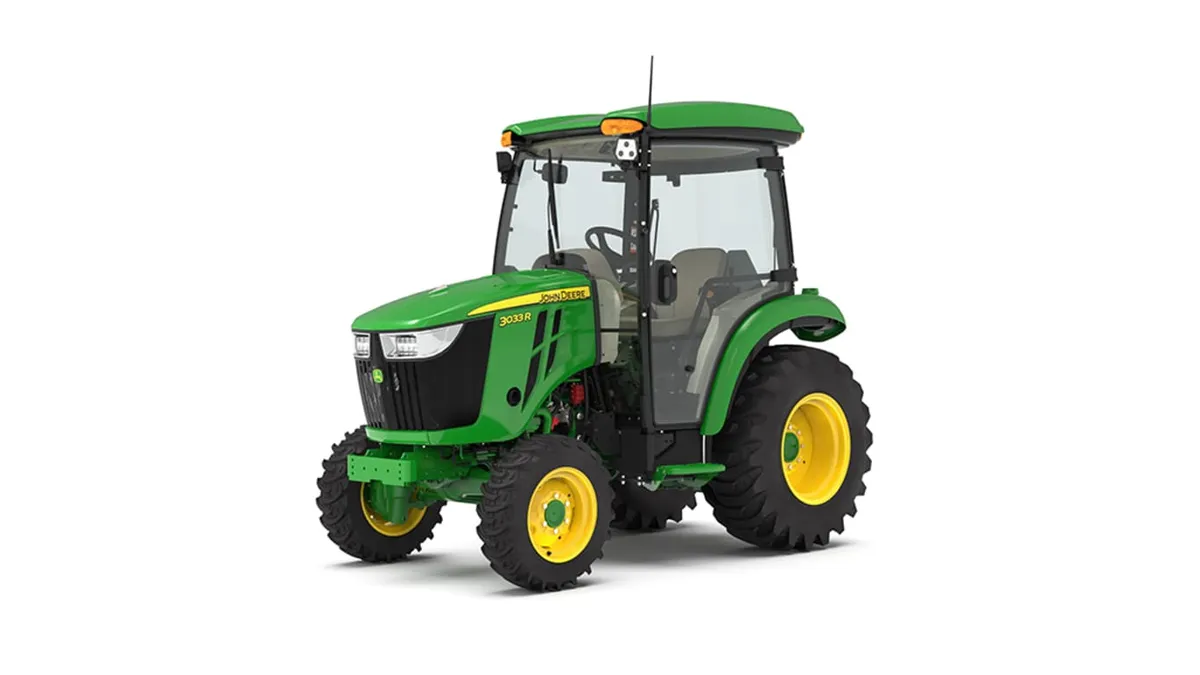
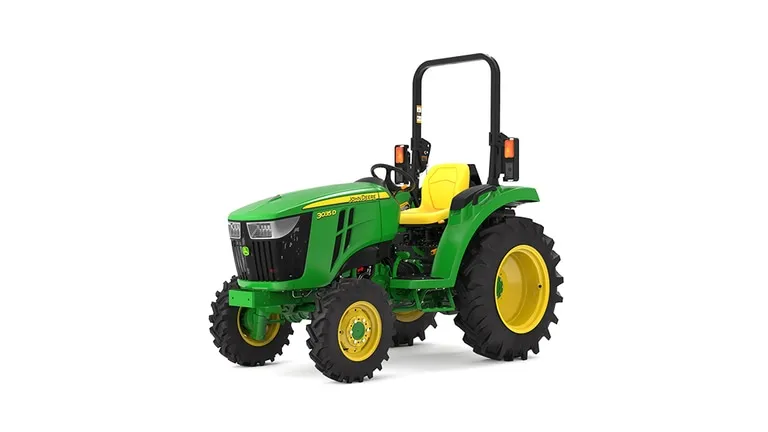
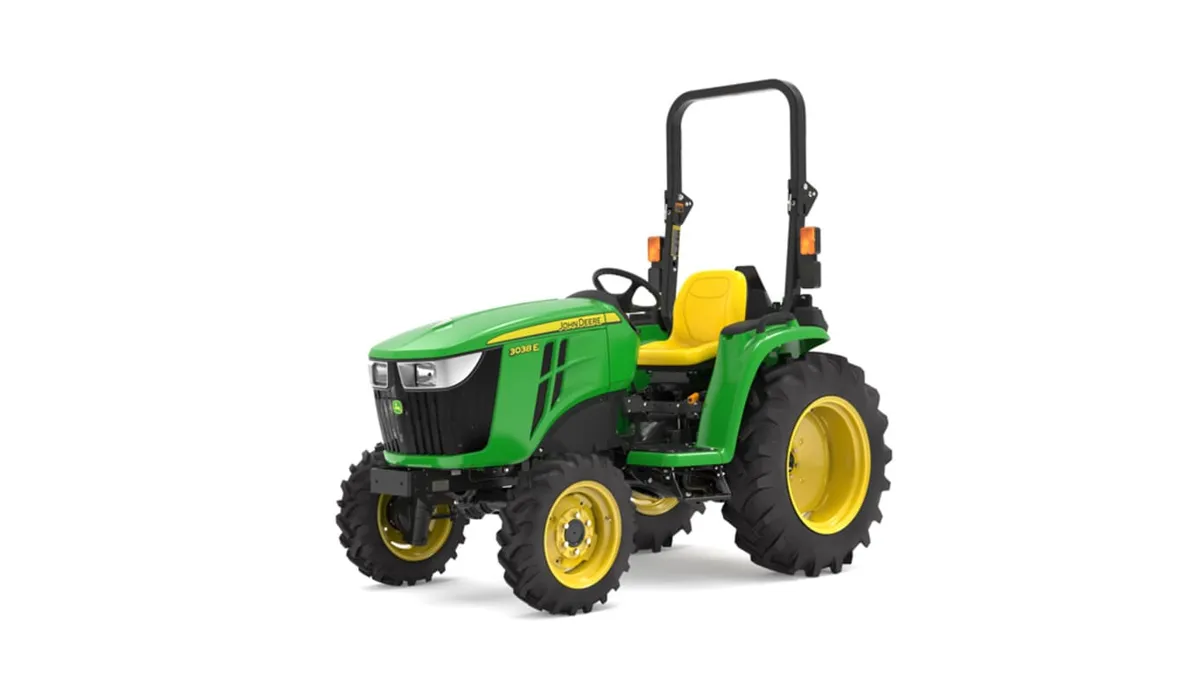
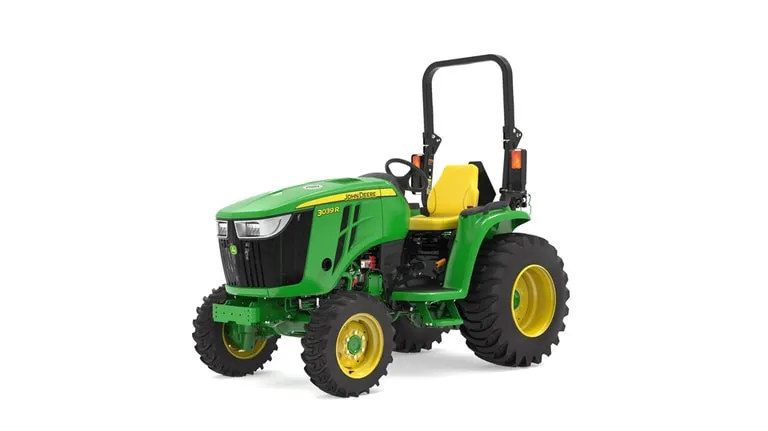
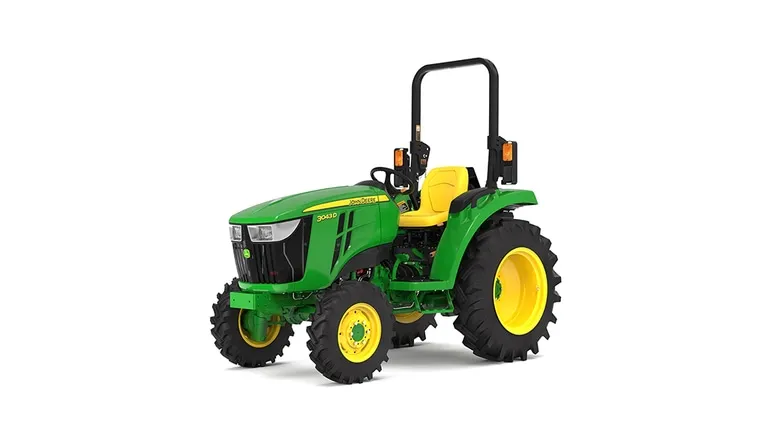
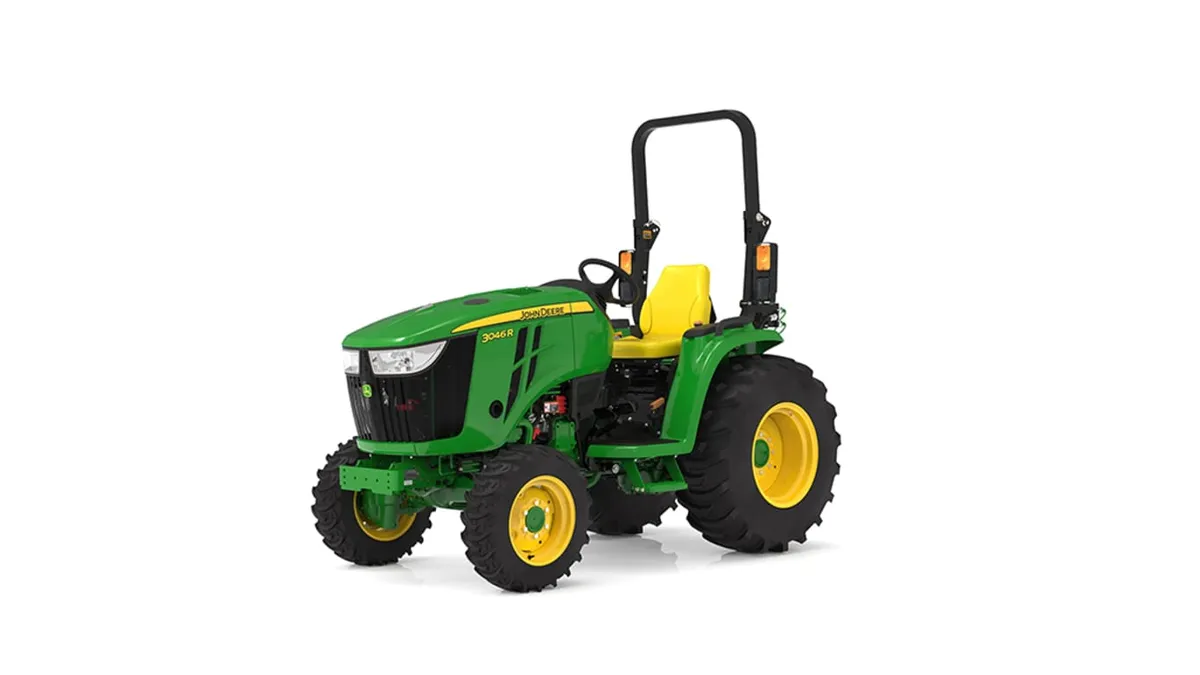
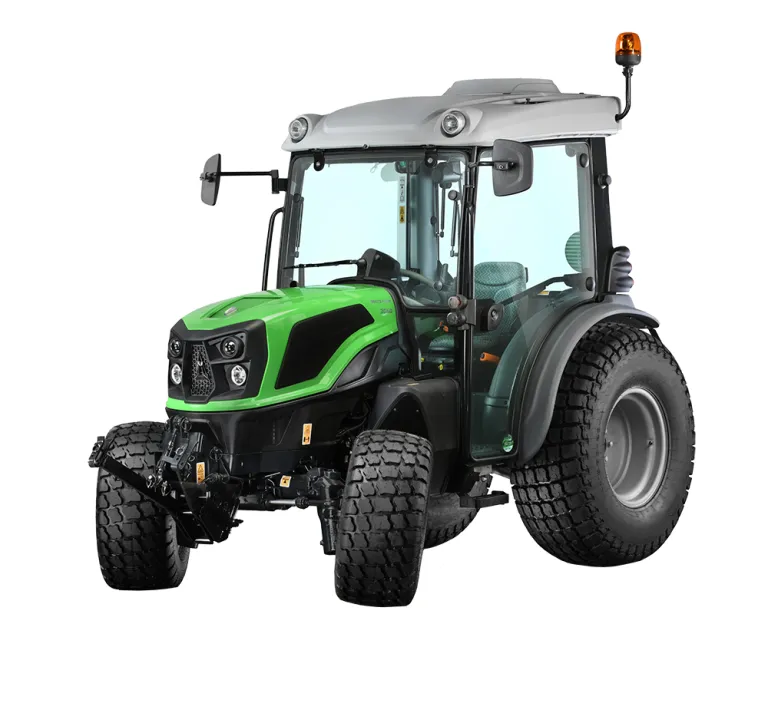
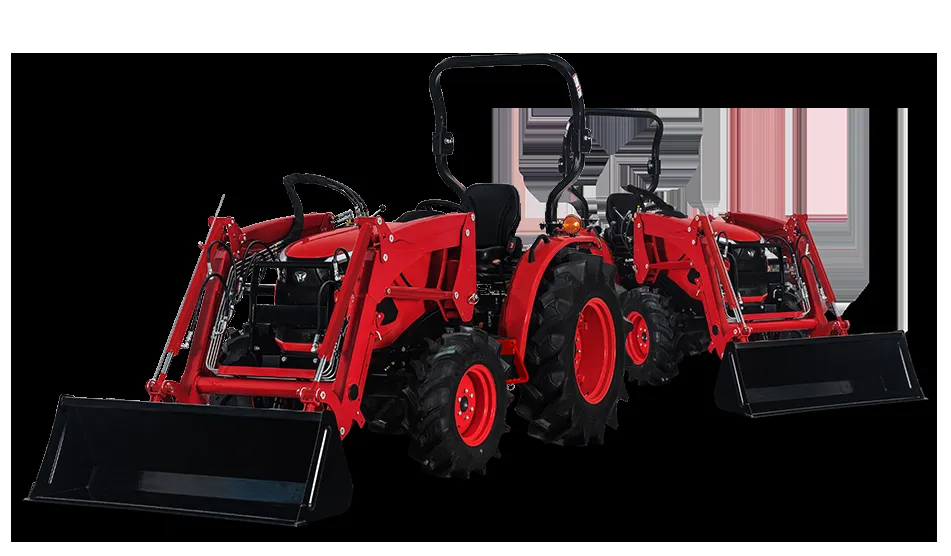
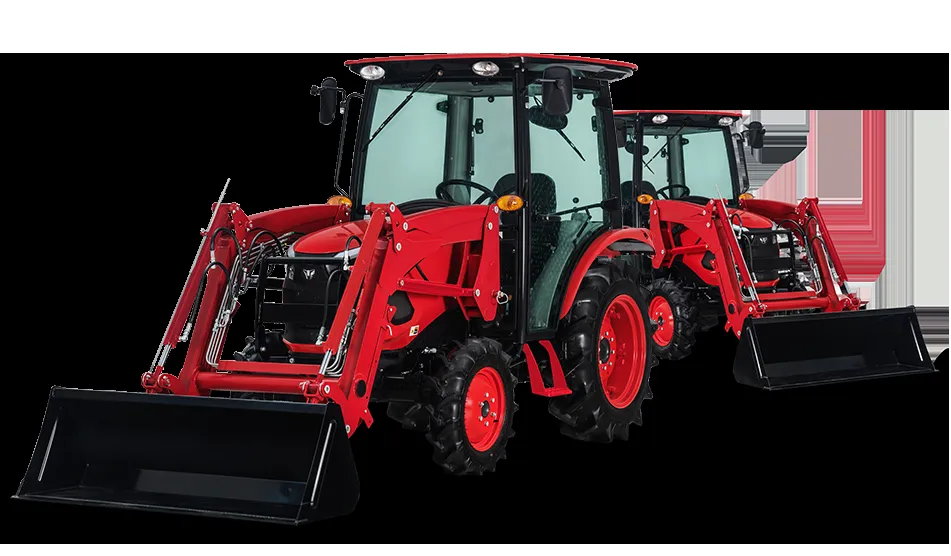
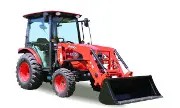
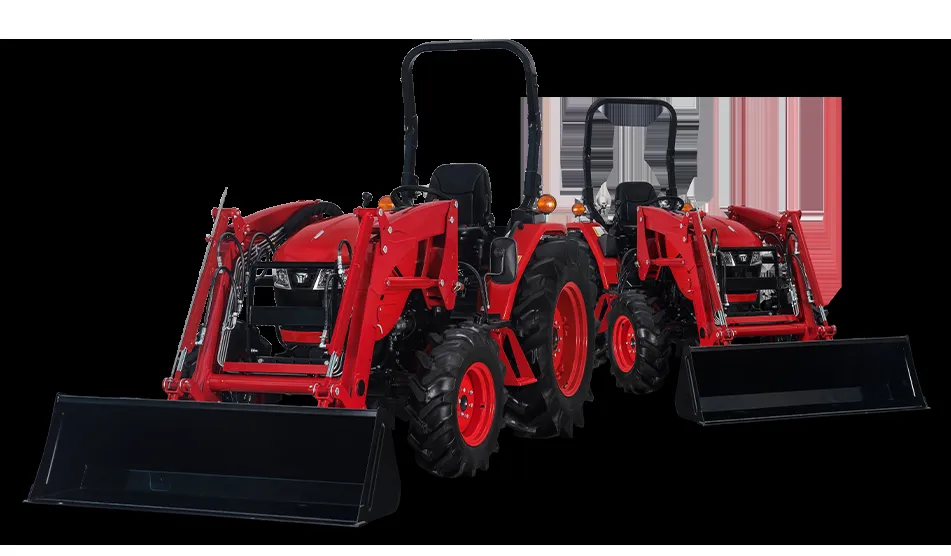
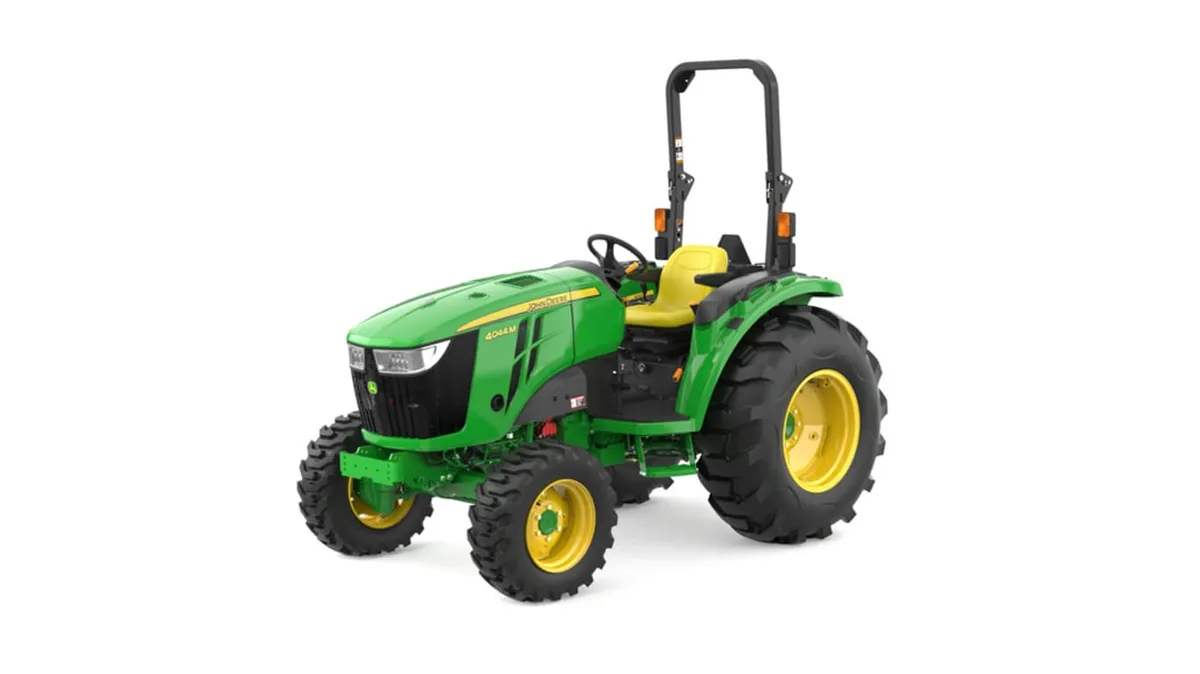
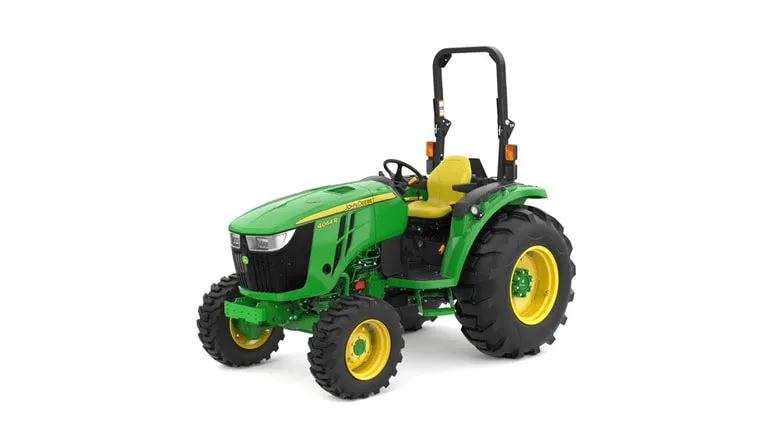
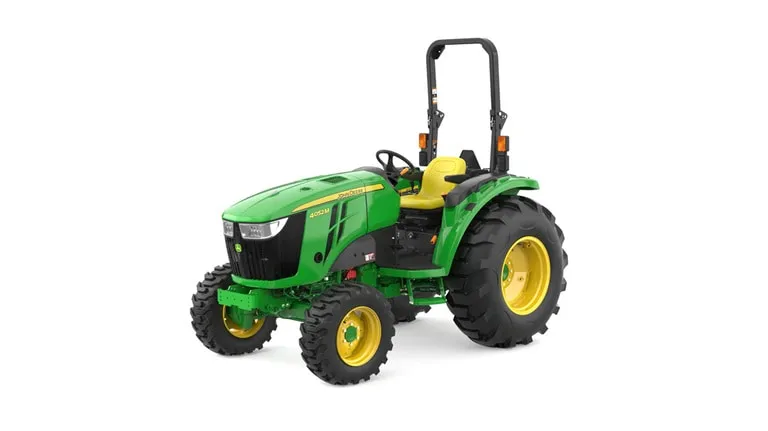
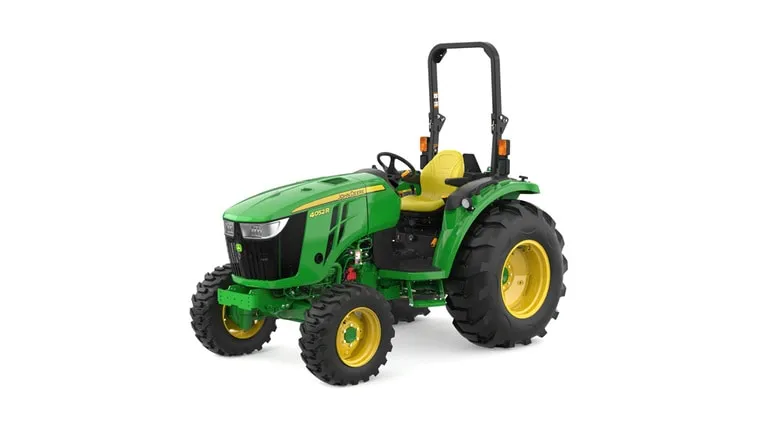
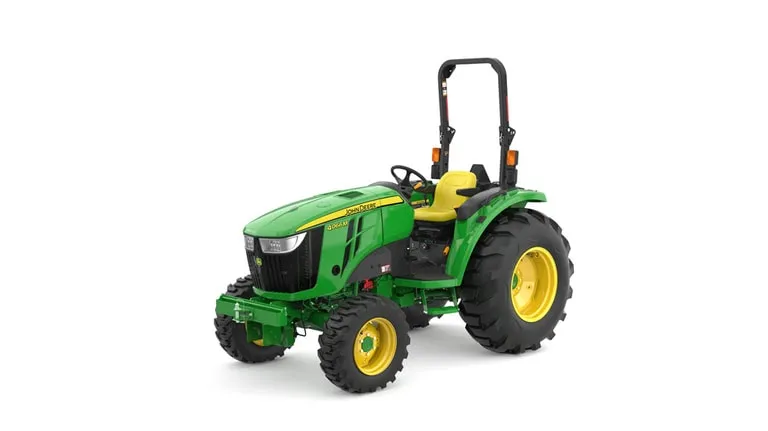
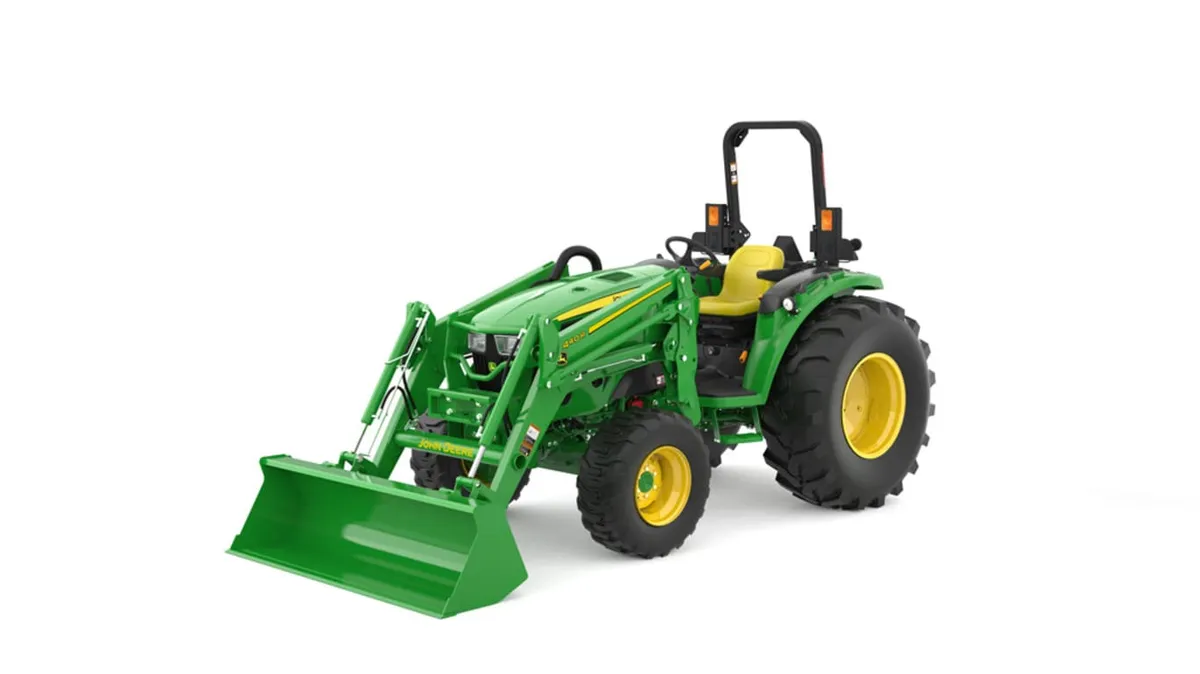
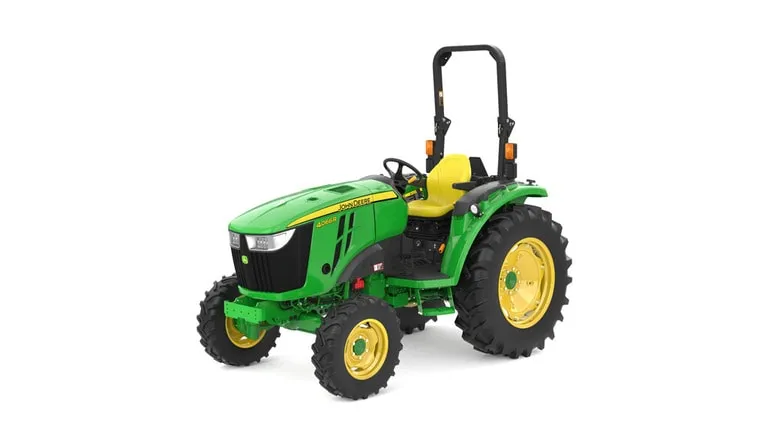
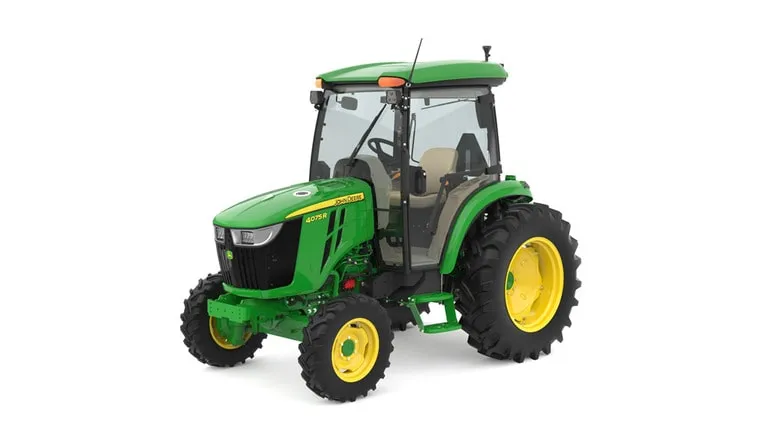
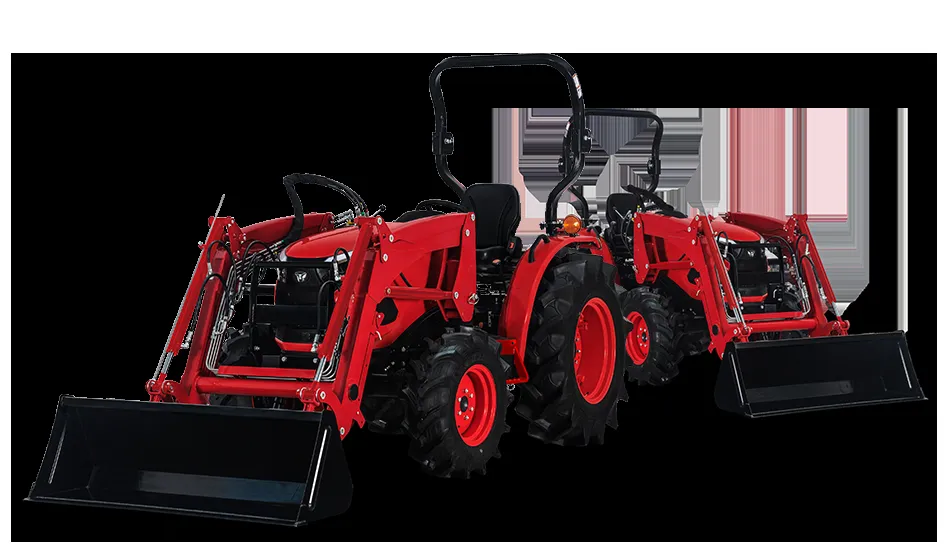
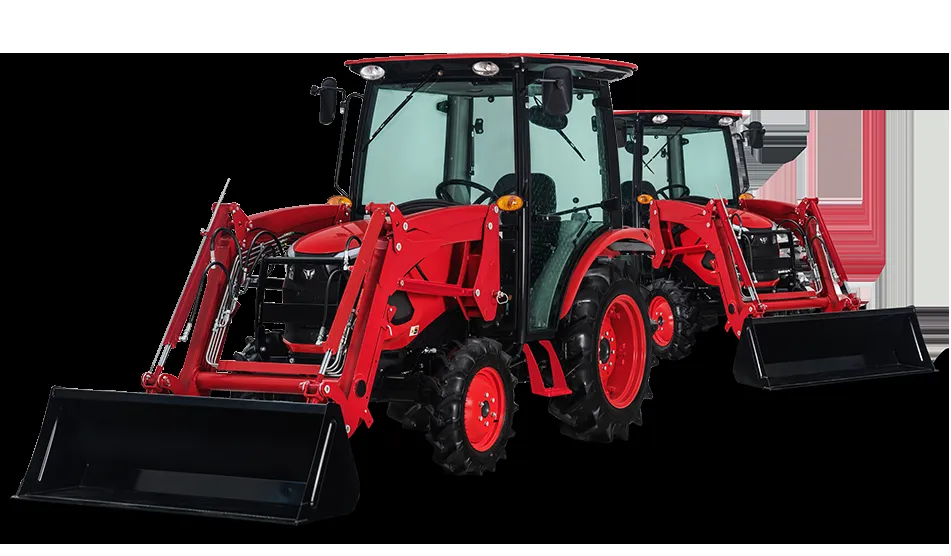
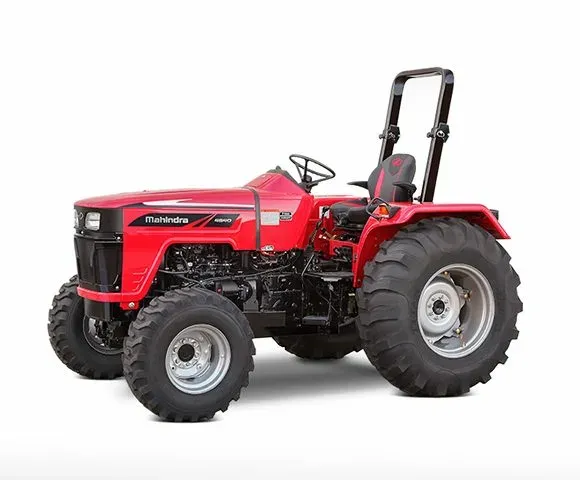
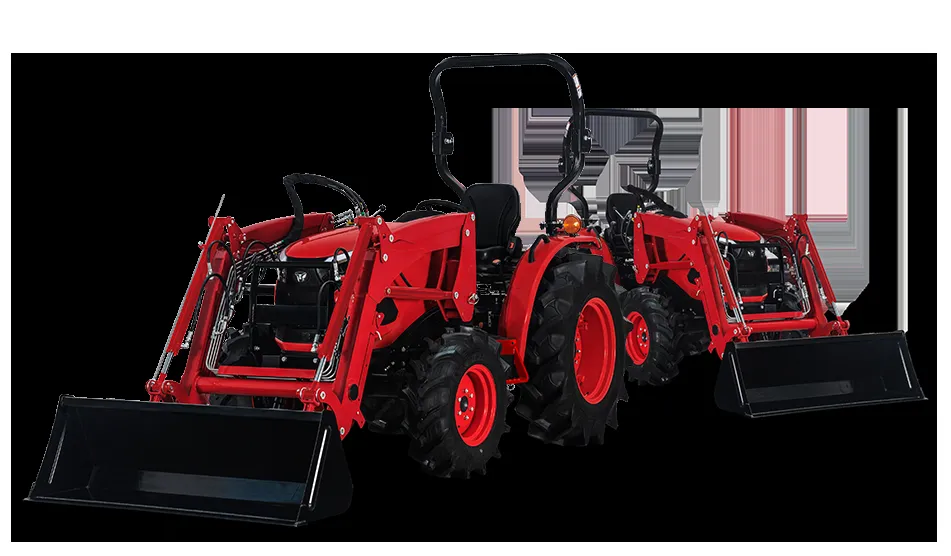
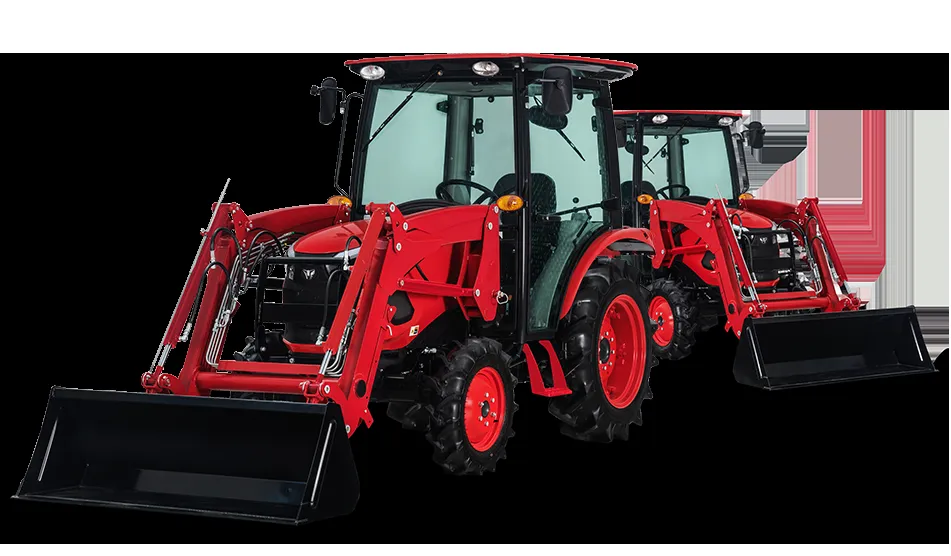
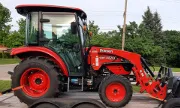
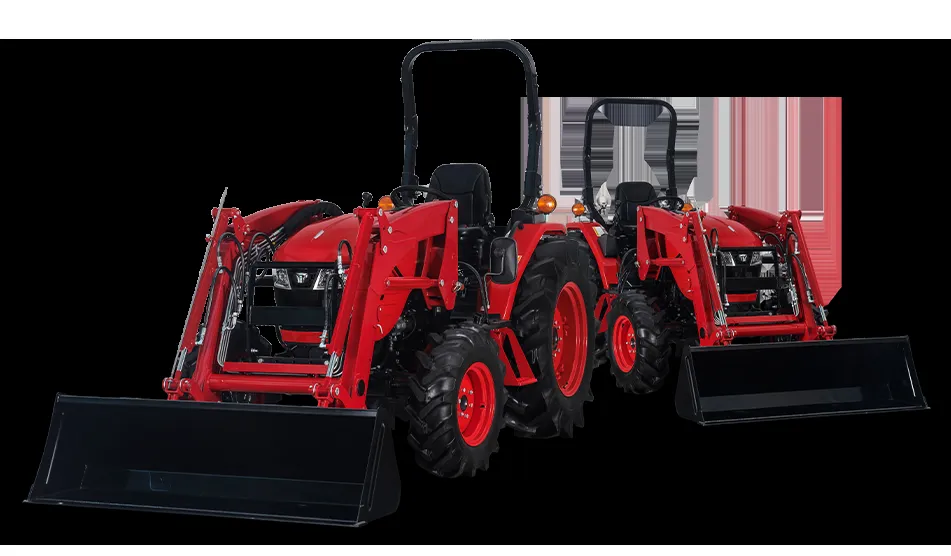
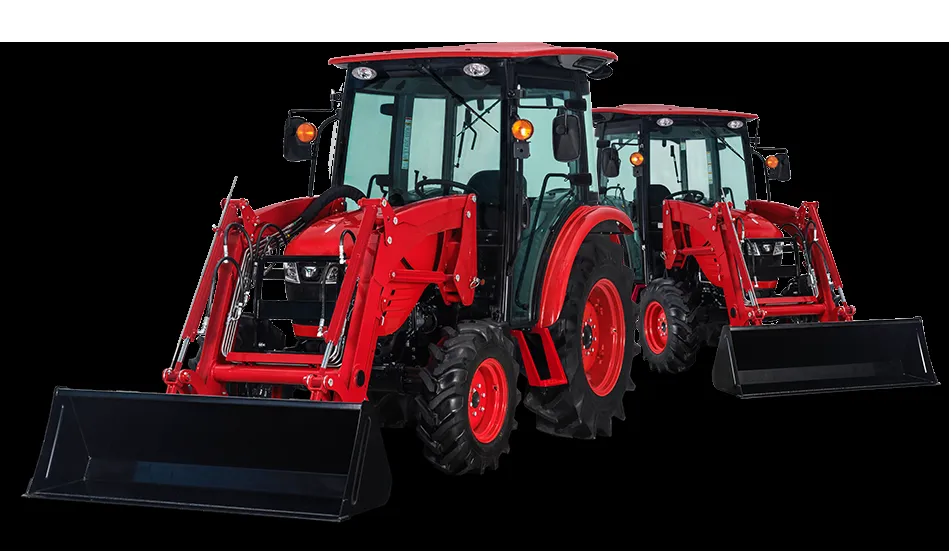
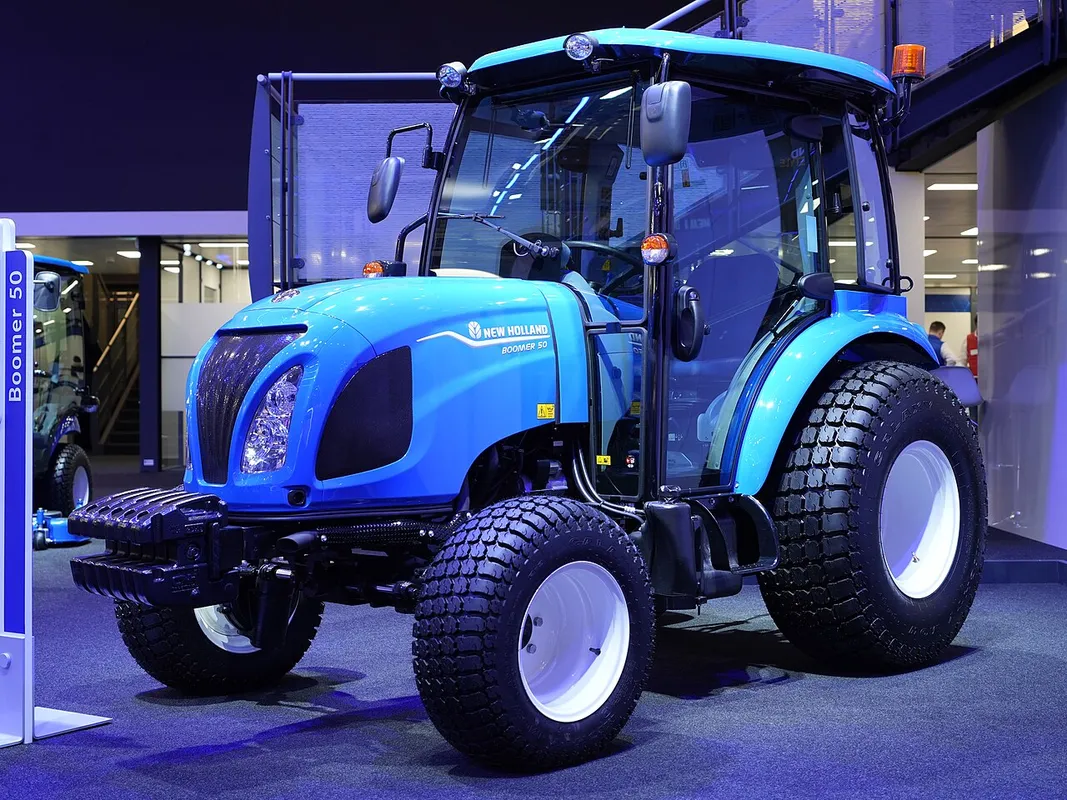
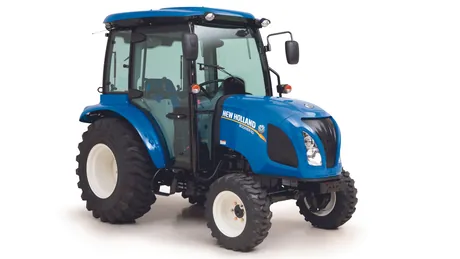
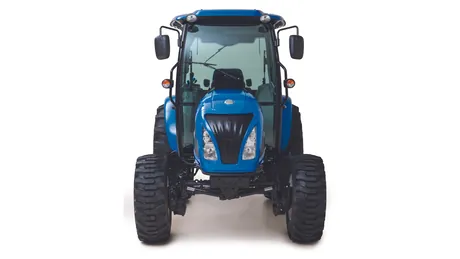
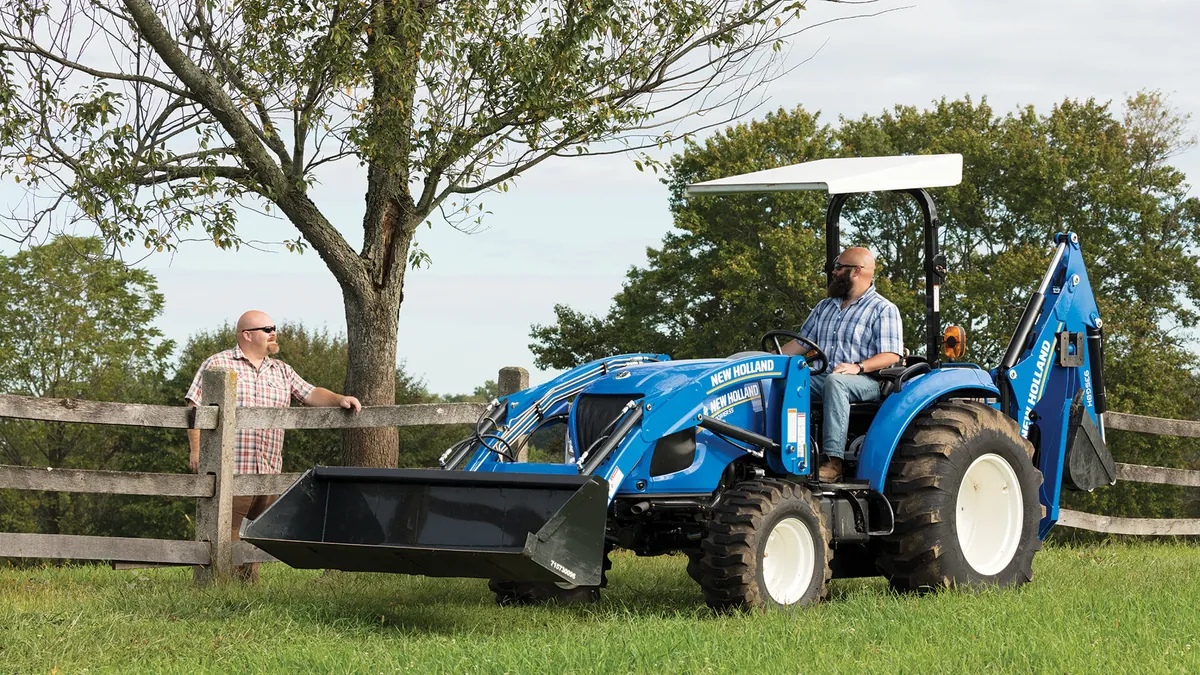
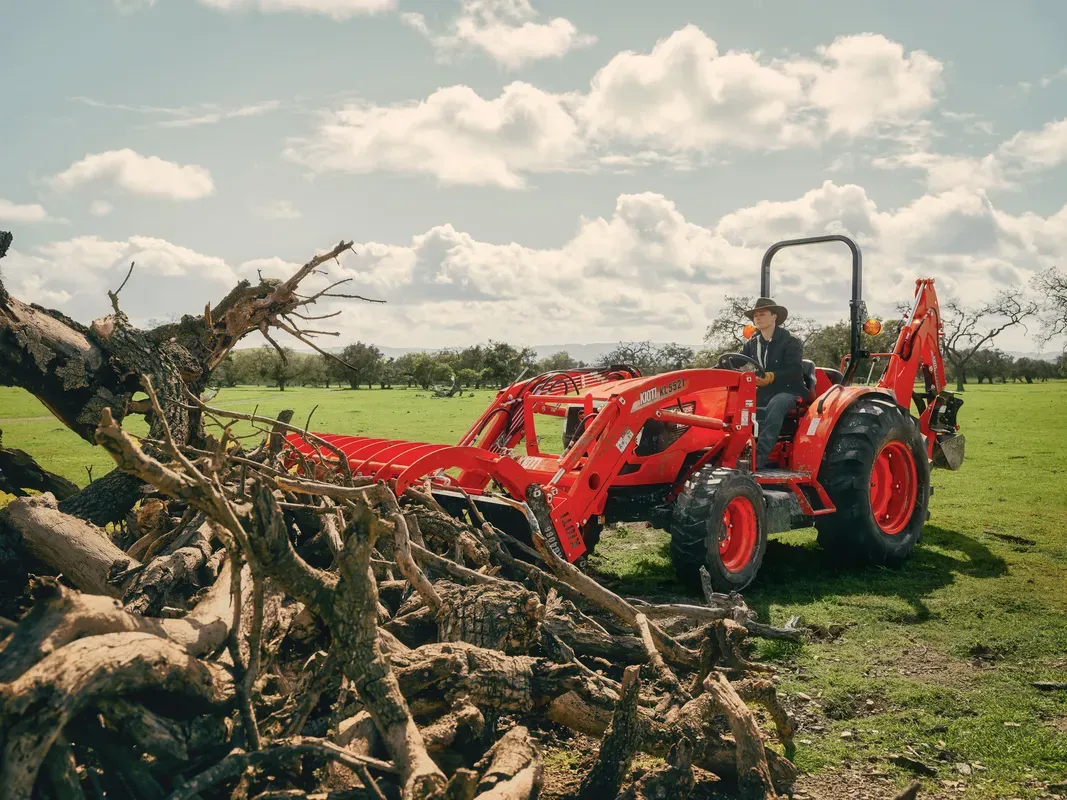
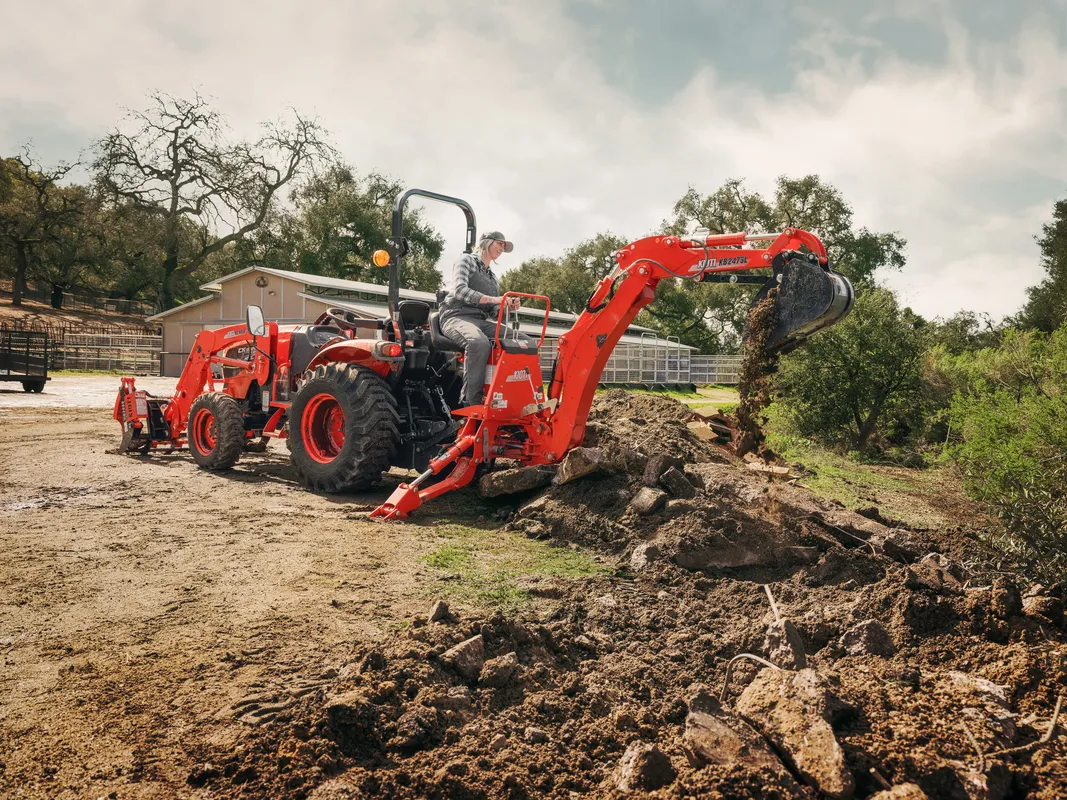
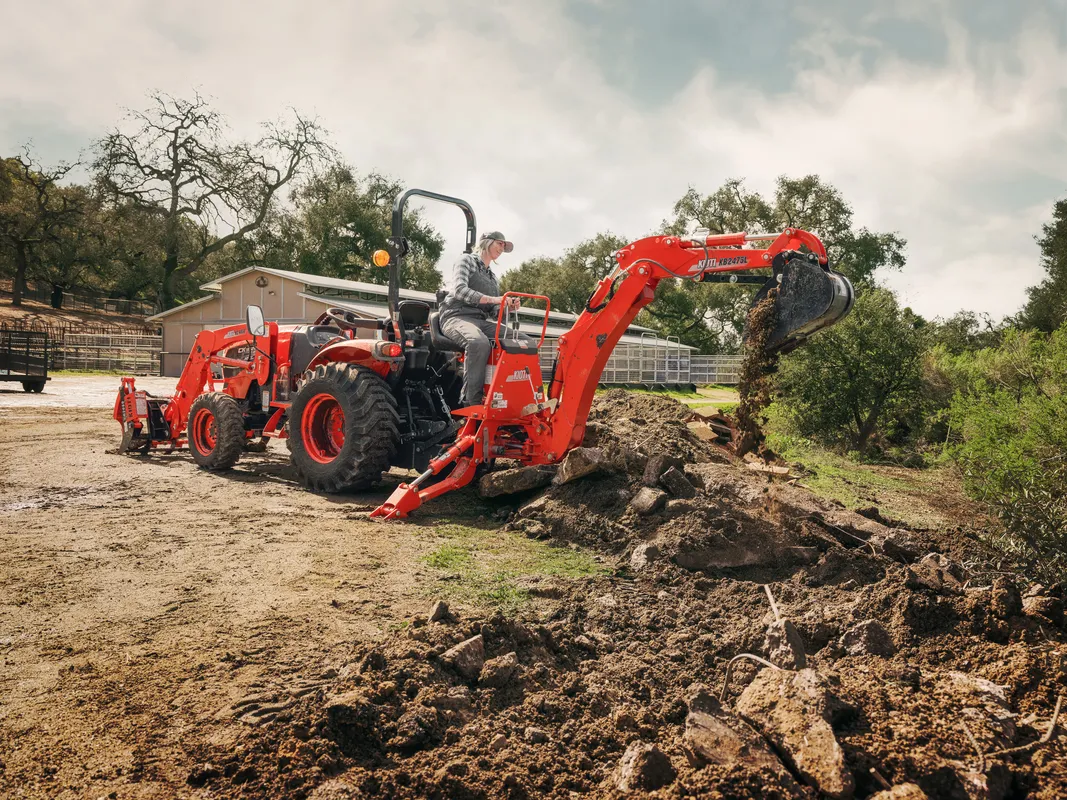
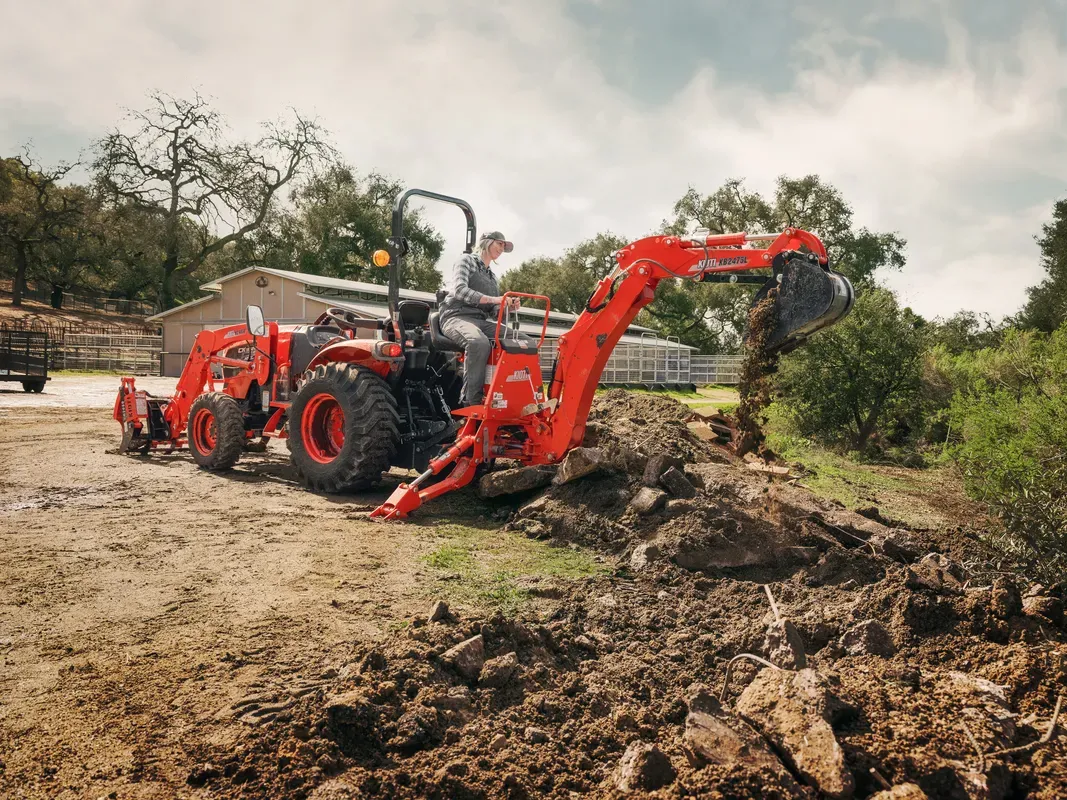
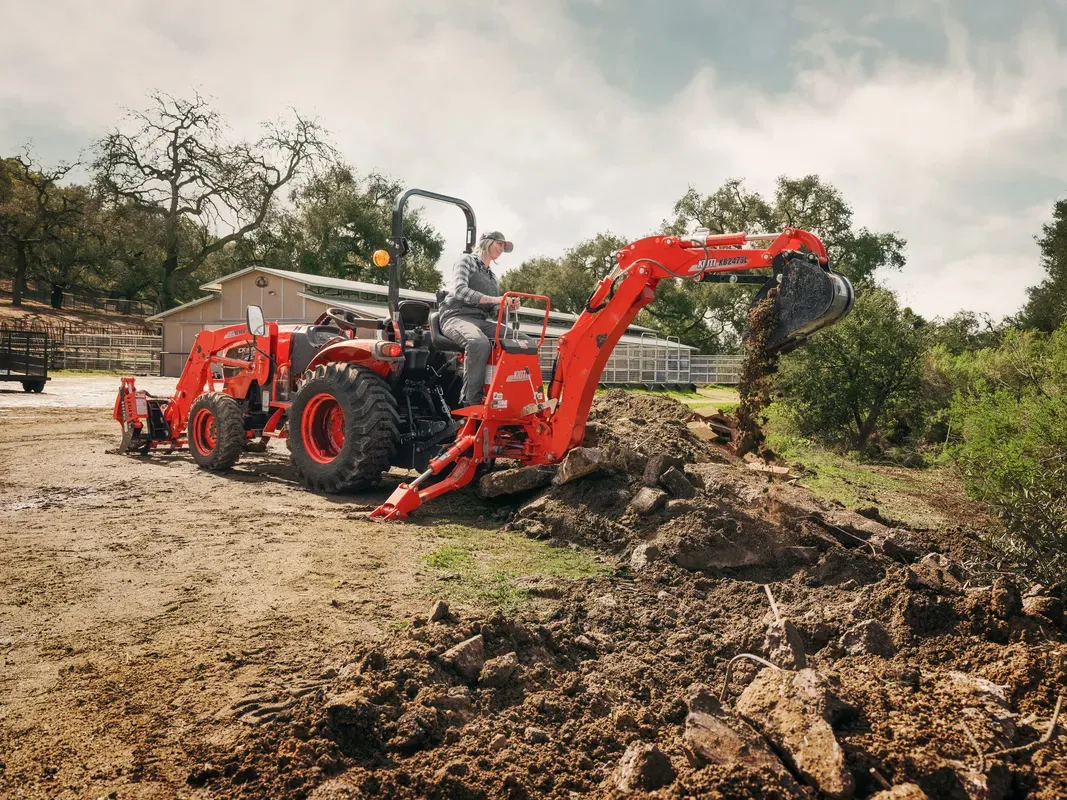
Compact tractors represent the sweet spot for serious hobby farmers, small agricultural operations, and property owners with substantial acreage. Ranging from 25 to 50 horsepower, these machines deliver genuine agricultural capability with the maneuverability to work in confined spaces. Compact tractors feature robust hydraulic systems, heavy-duty three-point hitches, and transmissions designed for demanding implement work - from brush hogs and tillers to large loaders and backhoes. Leading manufacturers including Kubota, John Deere, New Holland, Massey Ferguson, and Kioti compete aggressively in this segment, with prices typically ranging from $20,000 to $45,000 depending on horsepower and configuration. For properties from 5 to 50 acres with real work requirements, compact tractors provide the power and versatility that smaller machines can't match.
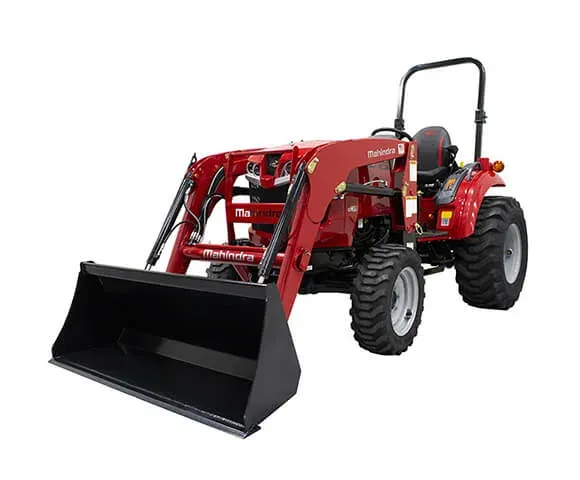
Start Here
Compact Tractor Buyer's Guide
How to choose the right compact tractor. Read the guide first, then compare every compact model below.
Showing 24 of 279 compact tractors
CompactVerified
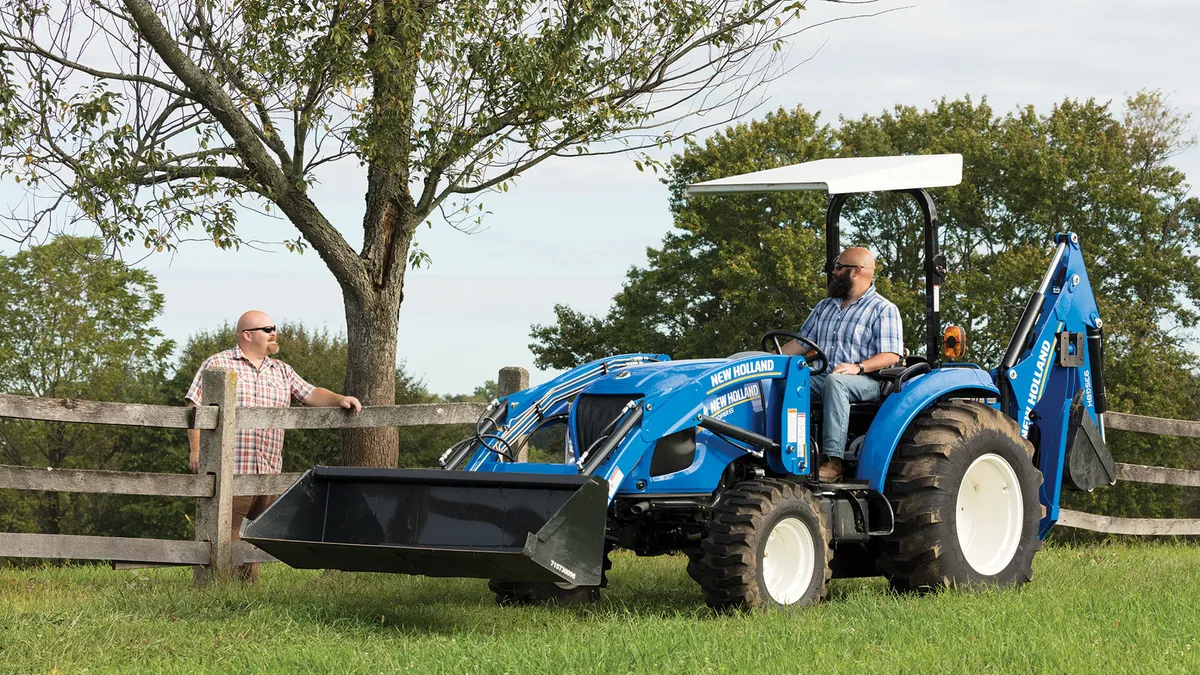
CompactVerifiedNew Holland
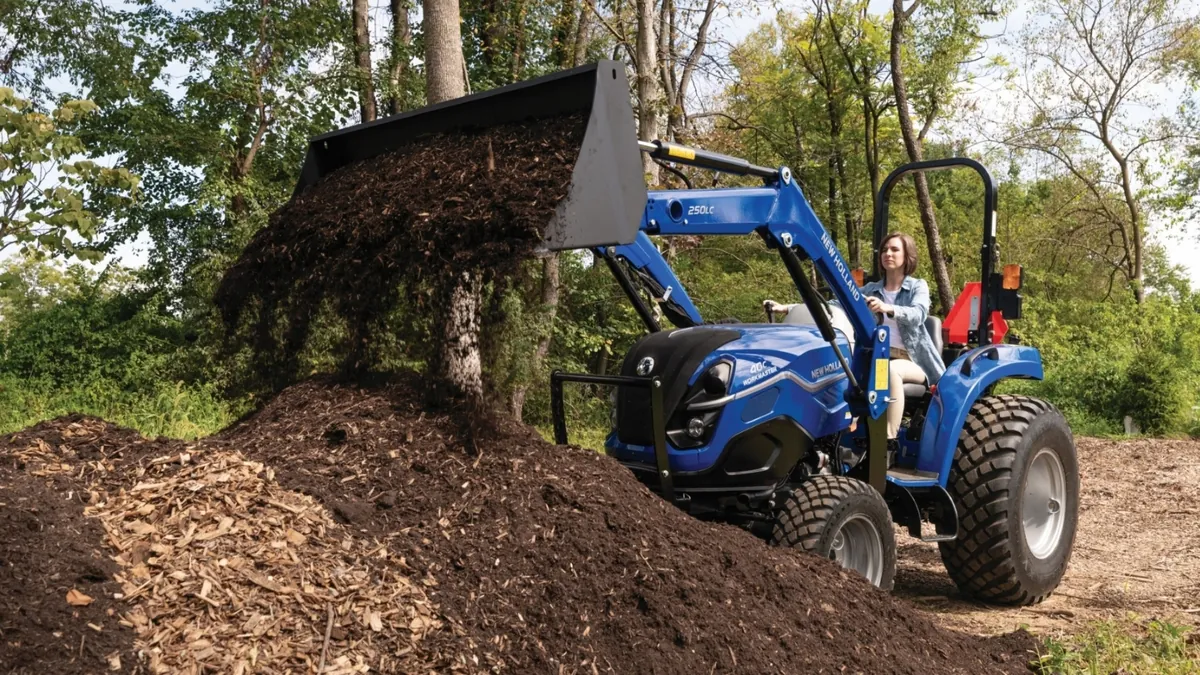
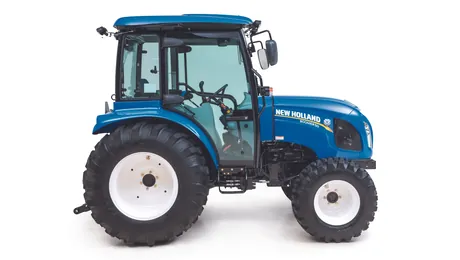
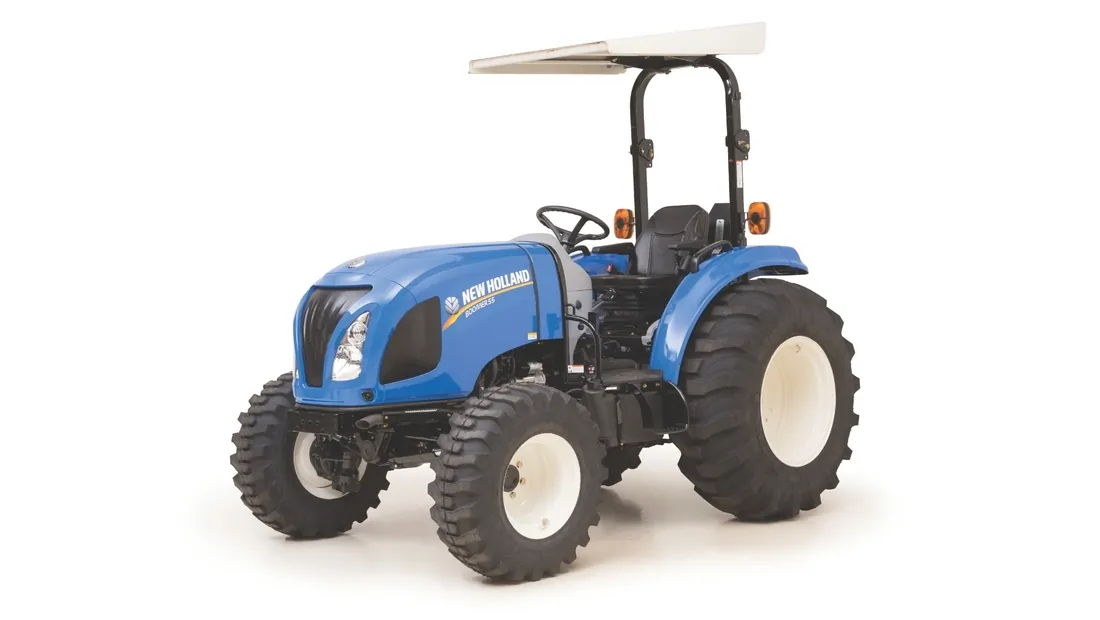
Boomer 40
$27,518
CompactVerified
CompactVerified255 more compact models to explore
What Compact Tractors Are Best For
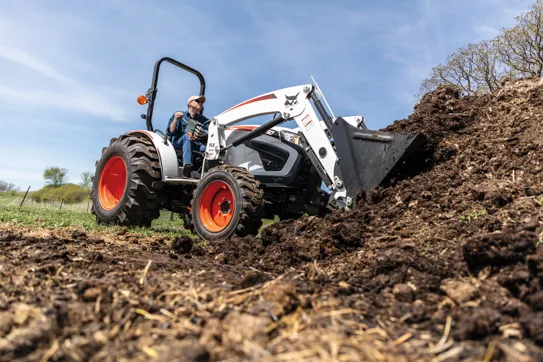
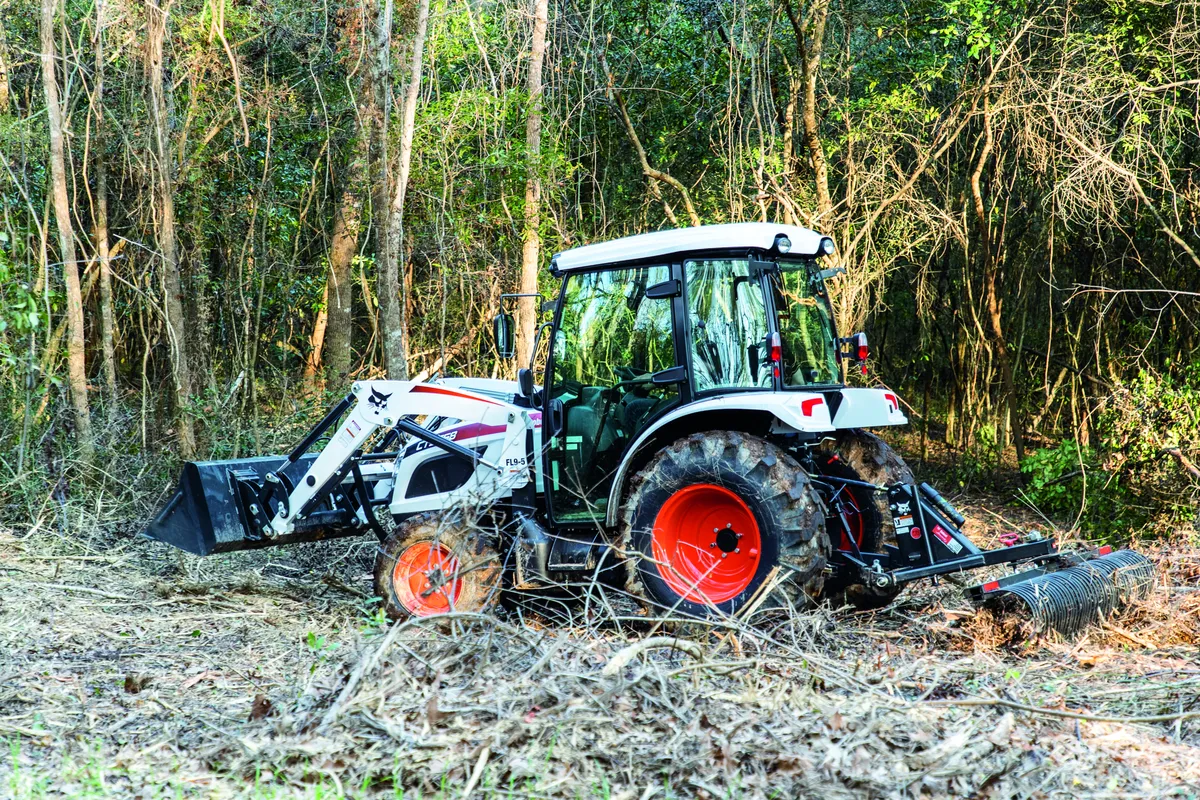
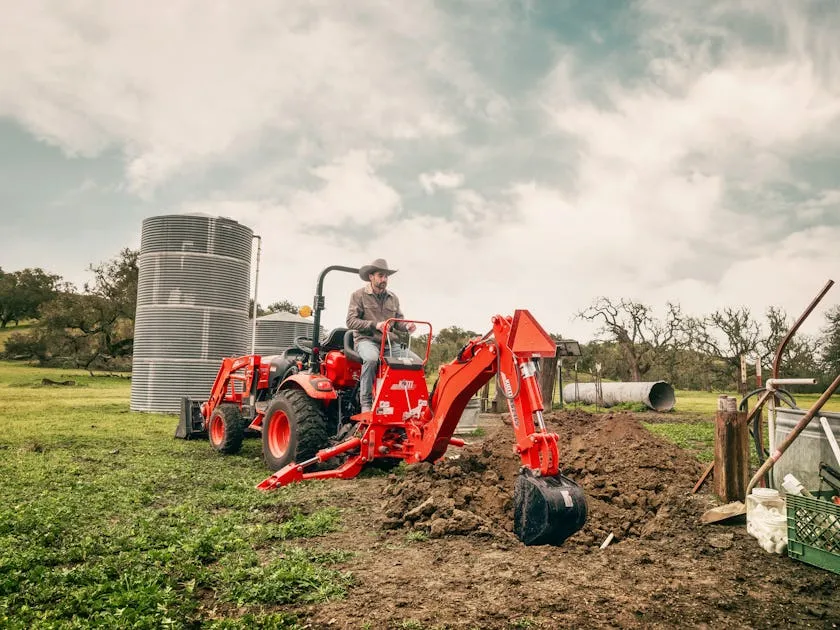
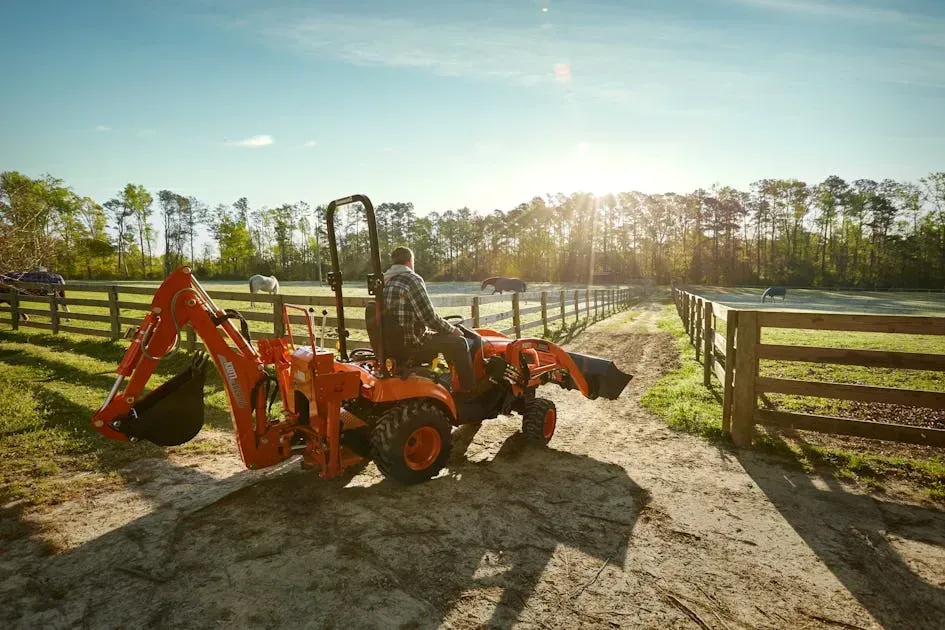
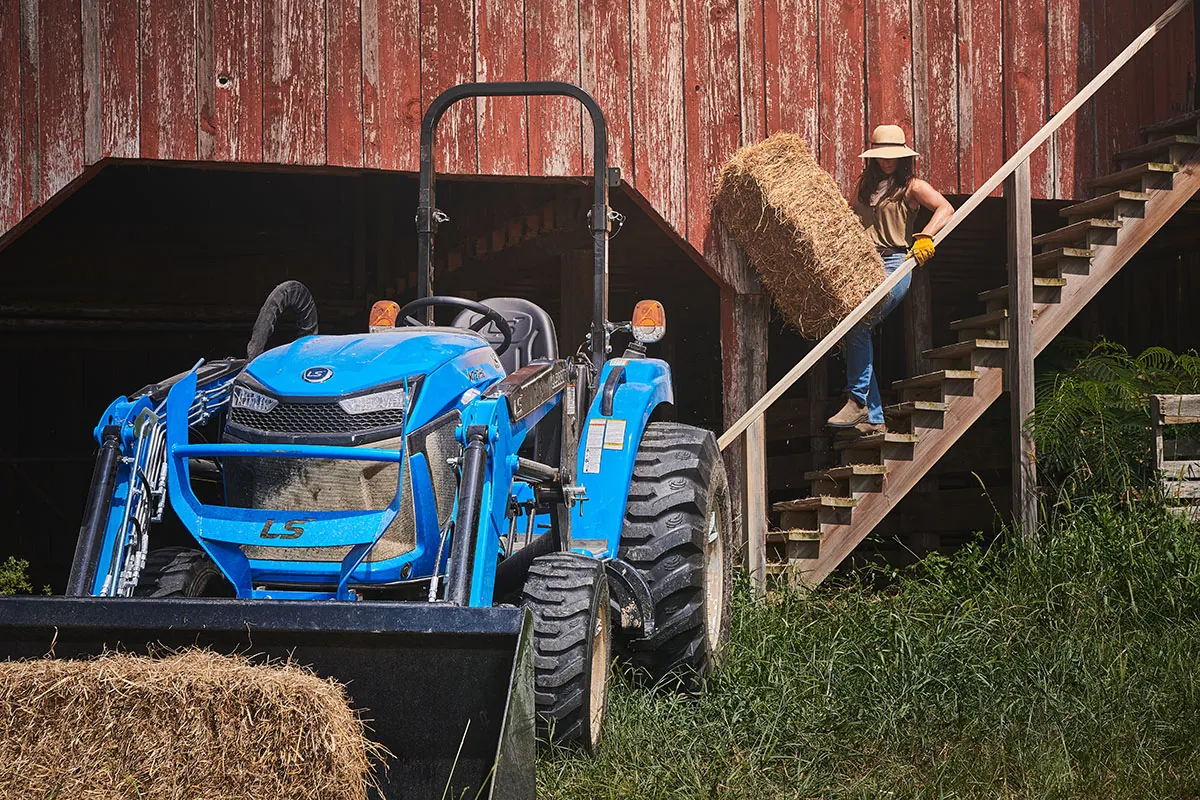
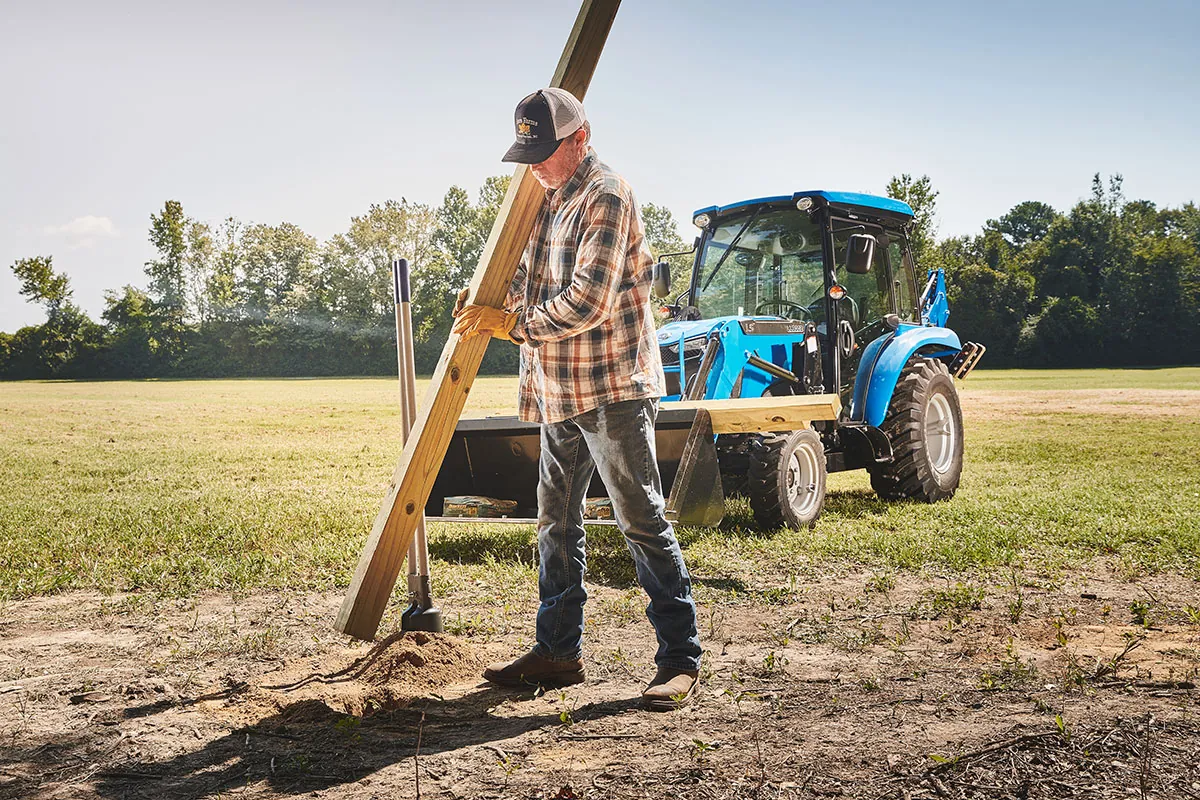
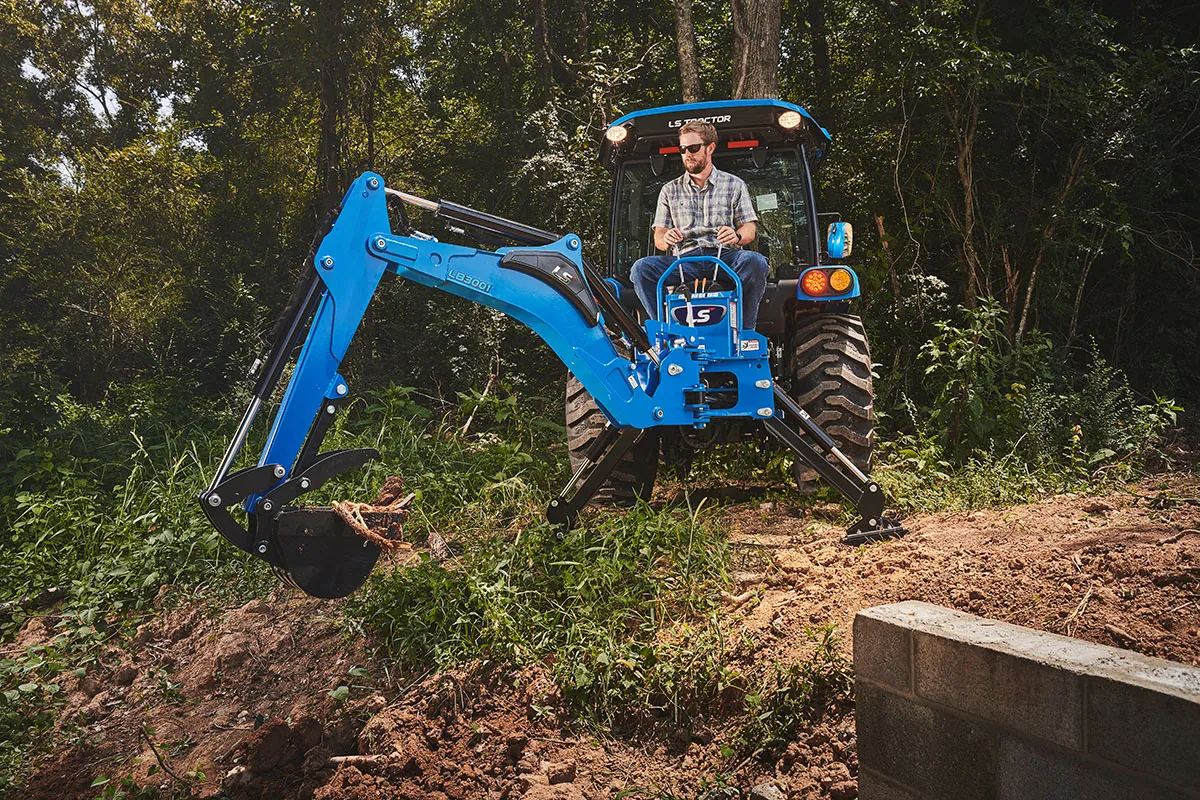
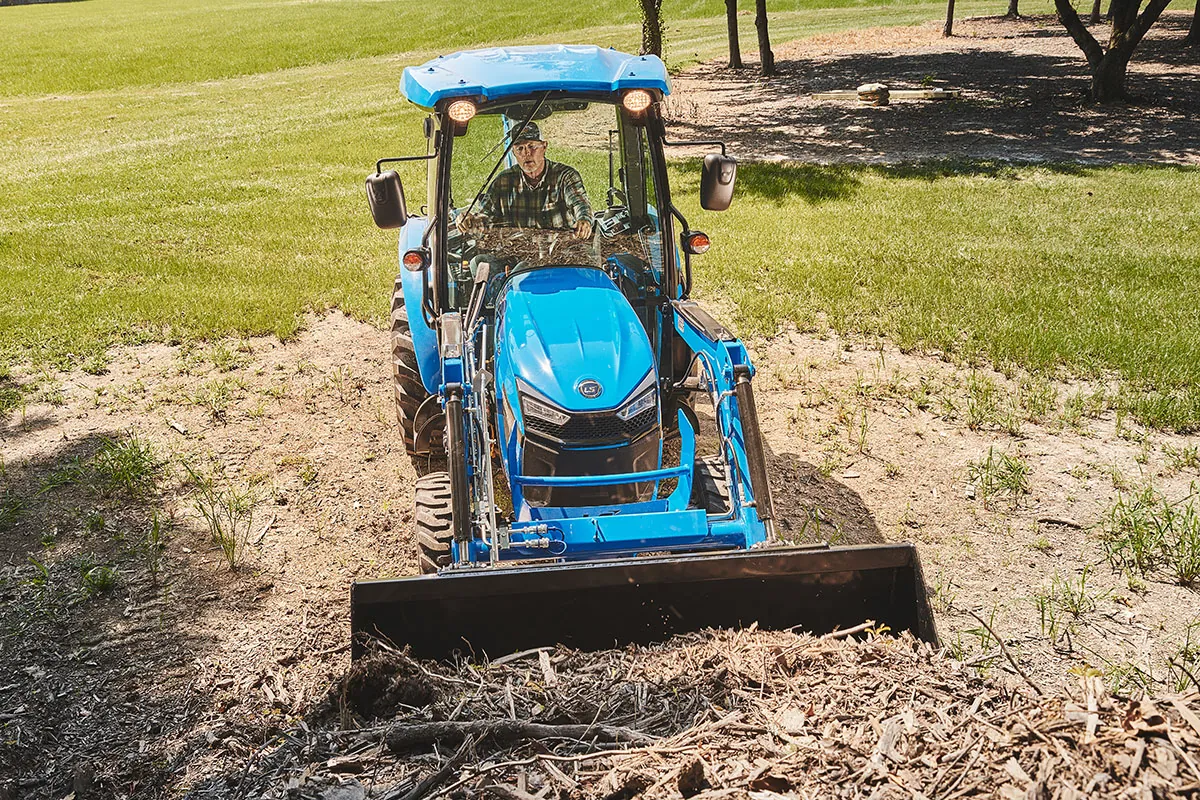
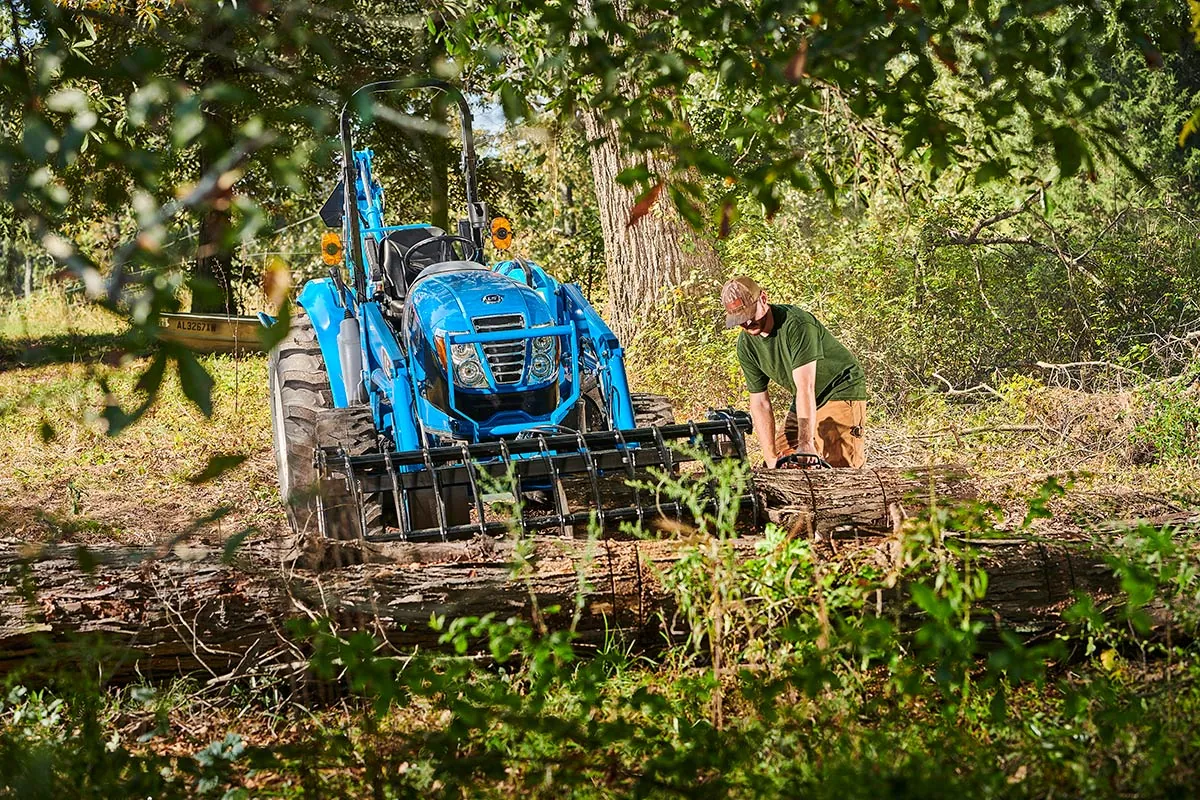
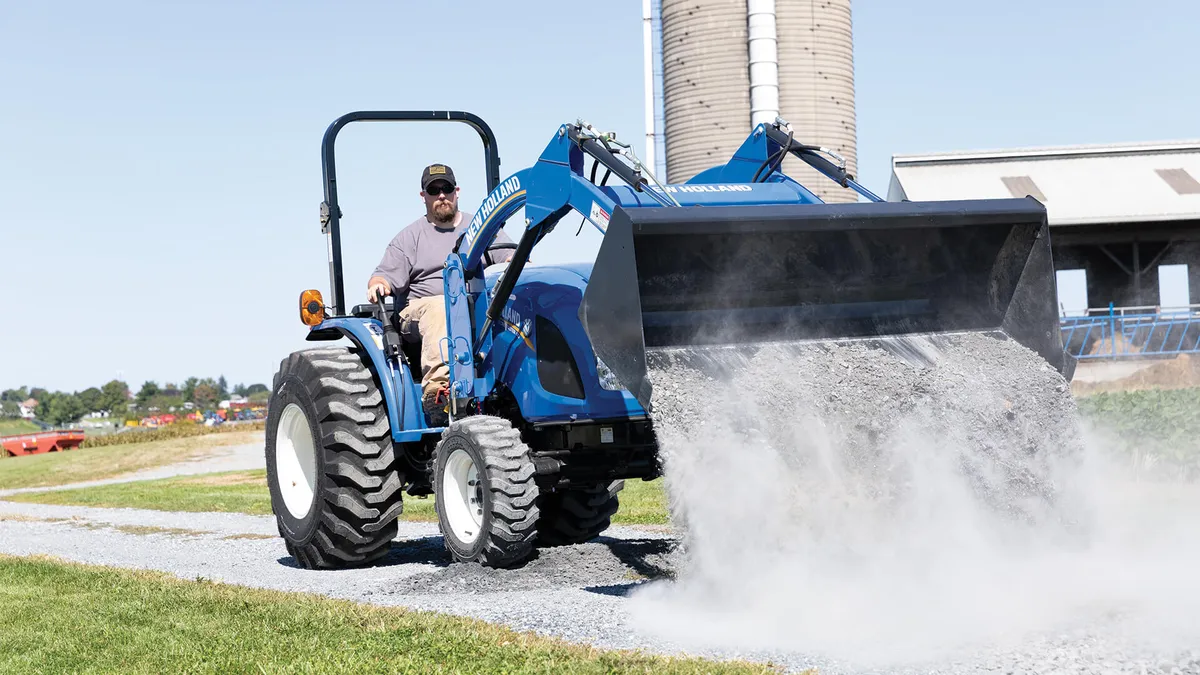
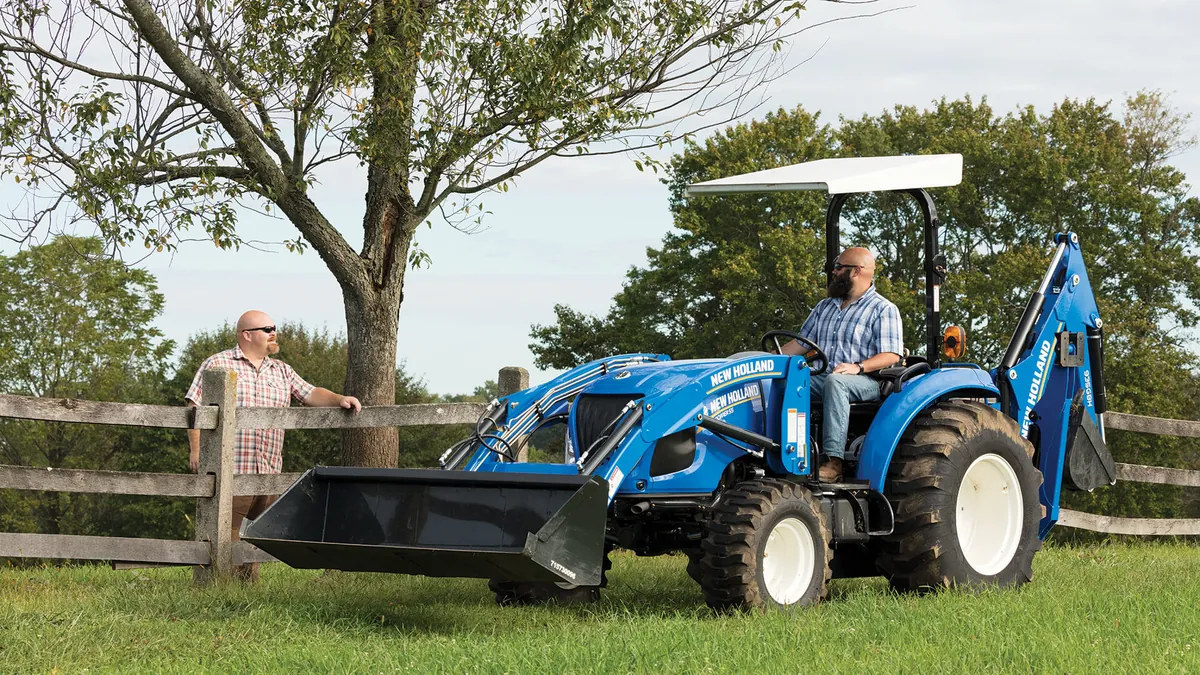
Compact tractors are the workhorse choice for hobby farms, equestrian properties, orchards, vineyards, and rural estates with substantial maintenance needs. If you're managing 10+ acres, keeping horses or livestock, or running a small agricultural operation, the capabilities of compact tractors justify their investment. These machines excel at tasks requiring sustained power - running a 5-foot brush hog through heavy growth, digging with a backhoe attachment, or moving large round bales. The increased hydraulic capacity handles demanding attachments that would overwhelm sub-compact models. Many compact tractor owners use their machines as primary workhorses for property management, from spring tillage to fall cleanup to winter snow removal. For those who need genuine agricultural performance without the size and expense of utility tractors, compacts deliver.
What to Know Before Buying a Compact Tractor
- 1Match horsepower to your heaviest implement - a 6-foot brush hog needs 35+ HP, while a backhoe benefits from 40+ HP. Undersized tractors struggle and wear prematurely.
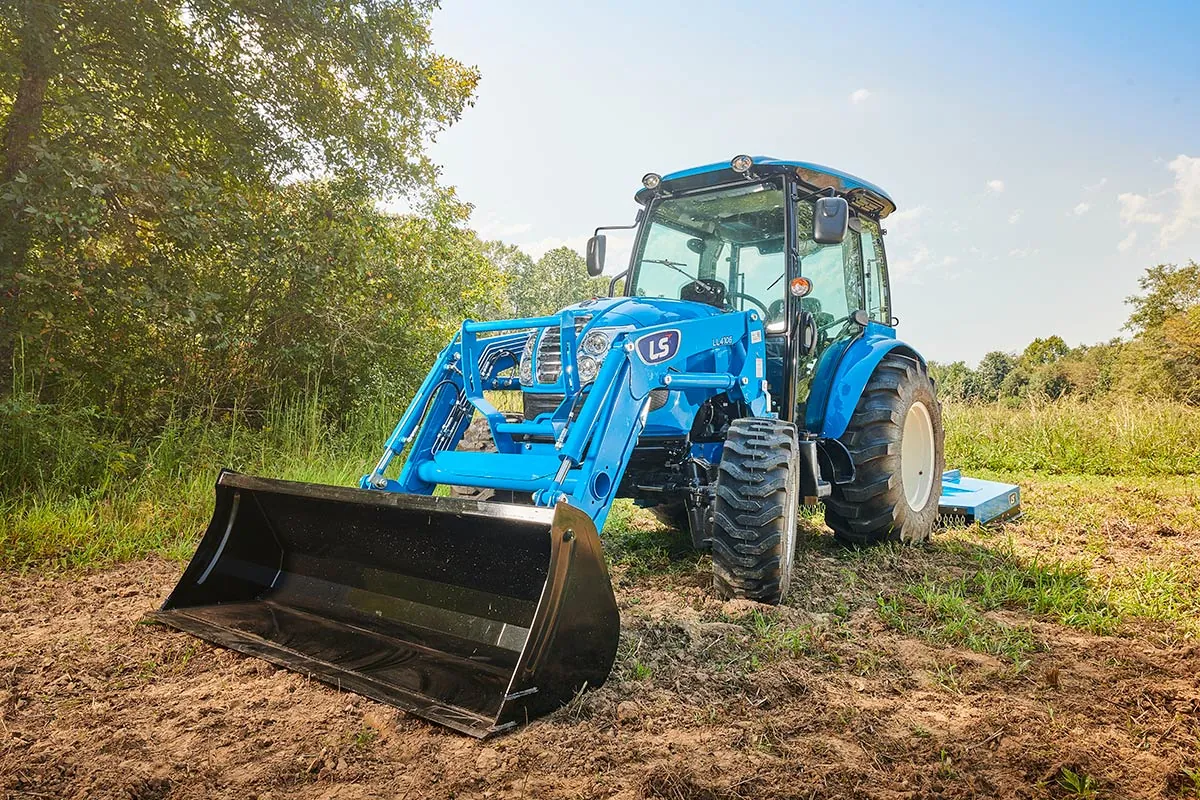
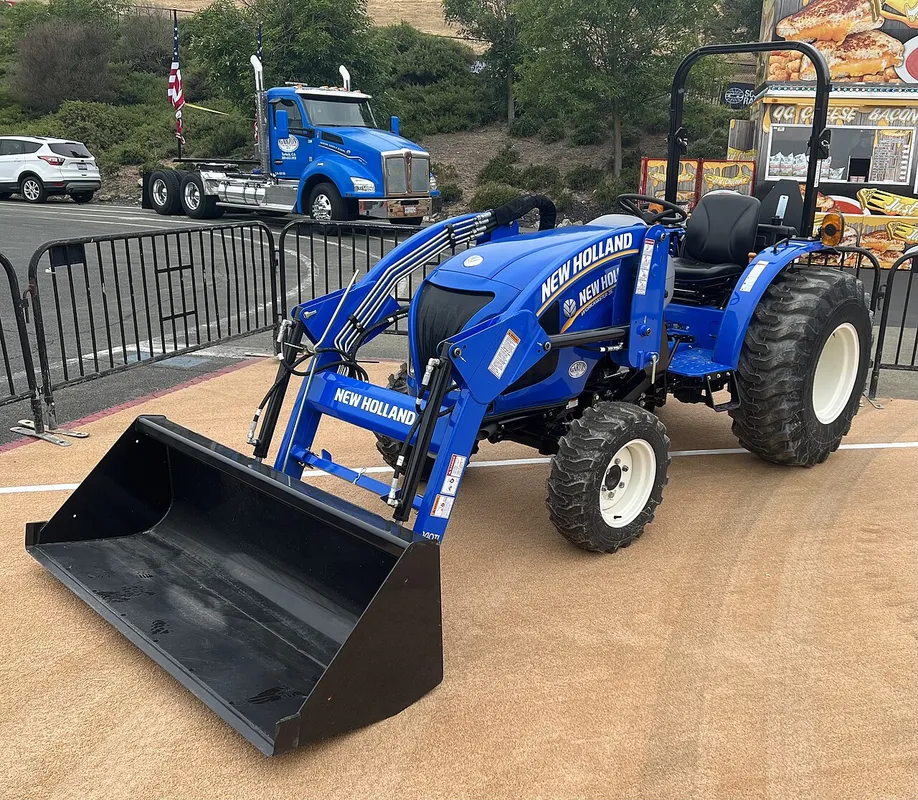
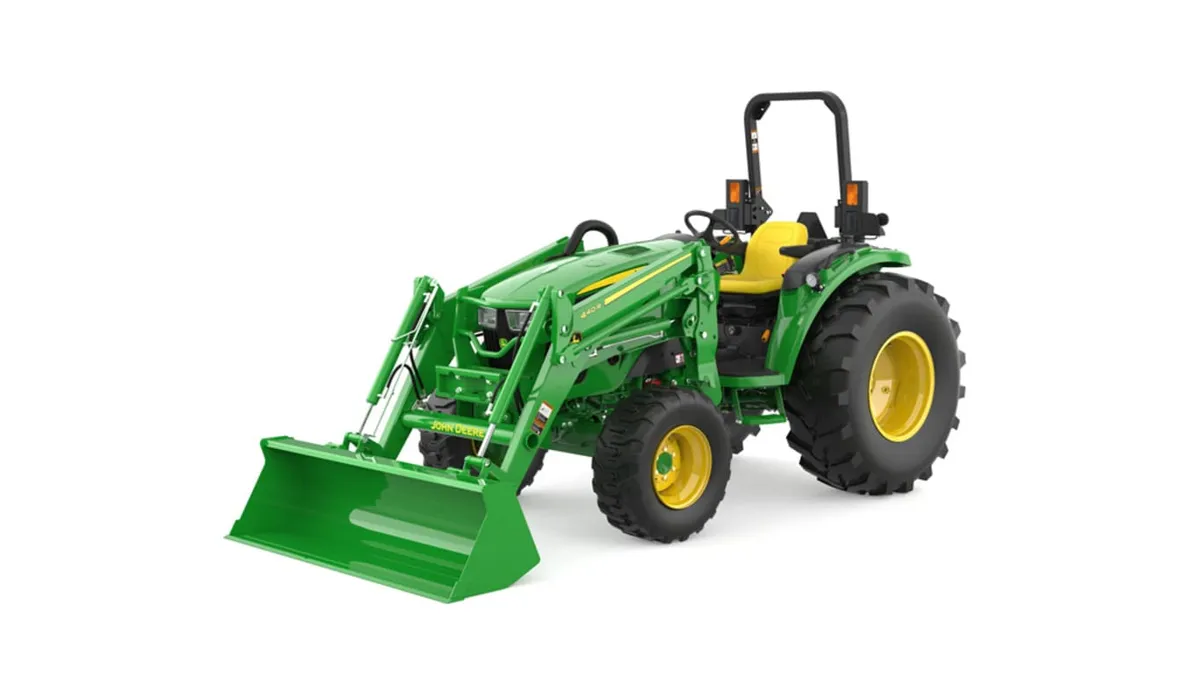
- 2Evaluate loader specifications carefully - look for lift capacity, breakout force, and lift height. A 1,500+ lb capacity handles most compact tractor tasks comfortably.
- 3Consider transmission options - gear drives offer durability and lower cost, hydrostatic provides ease of use, and shuttle-shift combines gear efficiency with directional convenience.
- 4Check the three-point hitch category - Category 1 hitches handle most compact tractor implements, but verify compatibility with any specialized equipment you need.
- 5Assess the dealer network - parts availability and service capability matter when your tractor is your primary work tool. Local dealer support often trumps minor price differences.
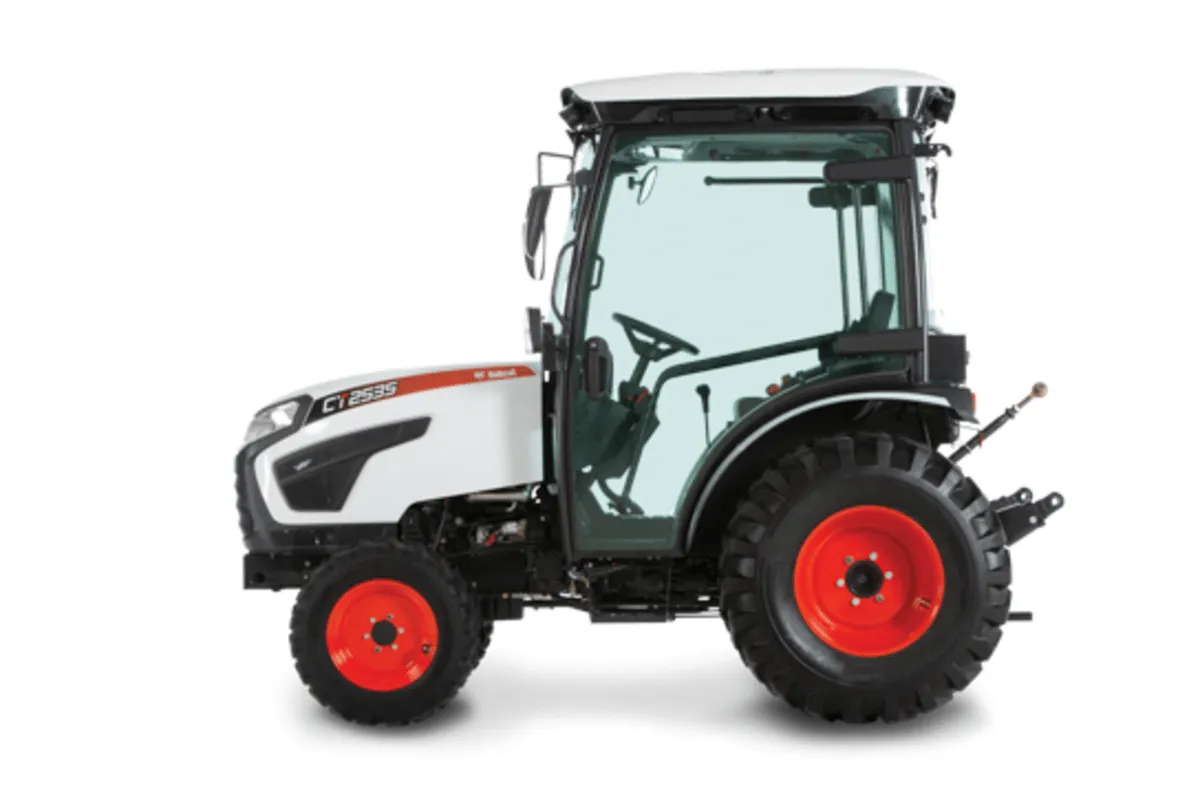
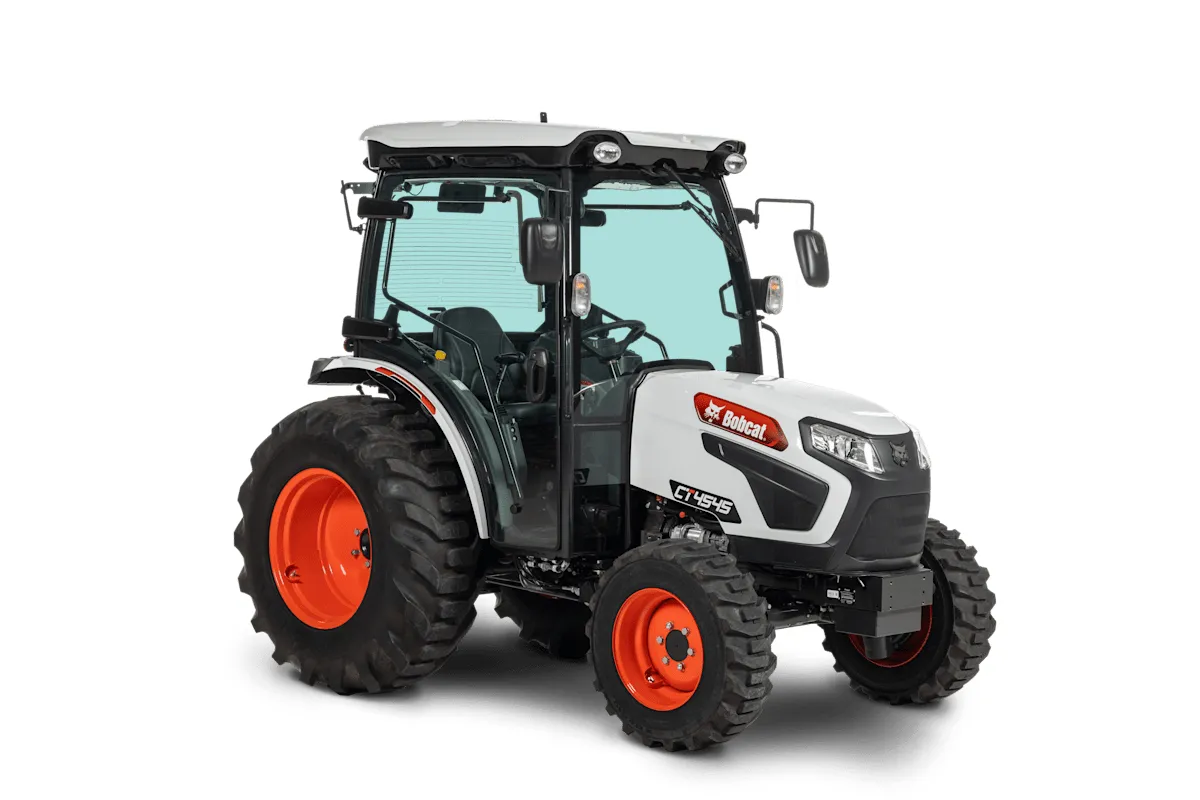
- 6Factor cab vs. ROPS carefully - cabs add $8,000-15,000 but provide climate control and significantly reduce operator fatigue during long days.
Frequently Asked Questions
What's the difference between compact and utility tractors?
Compact tractors range from 25-50 HP and are sized for properties up to 50 acres. Utility tractors start around 45 HP and extend to 100+ HP, with heavier frames, larger implements, and capabilities suited for commercial farming operations.
Do I need 4WD on a compact tractor?
4WD is strongly recommended for compact tractors. The additional traction proves essential for loader work, operating on slopes, working in wet conditions, and maximizing the effectiveness of your available horsepower. The price premium is modest compared to the capability gained.
How many hours can I expect from a compact tractor?
Quality compact tractors routinely exceed 5,000 hours with proper maintenance, and many reach 8,000-10,000 hours before major rebuilds. Diesel engines are exceptionally durable - maintenance consistency matters more than brand in determining longevity.
What attachments should I buy first?
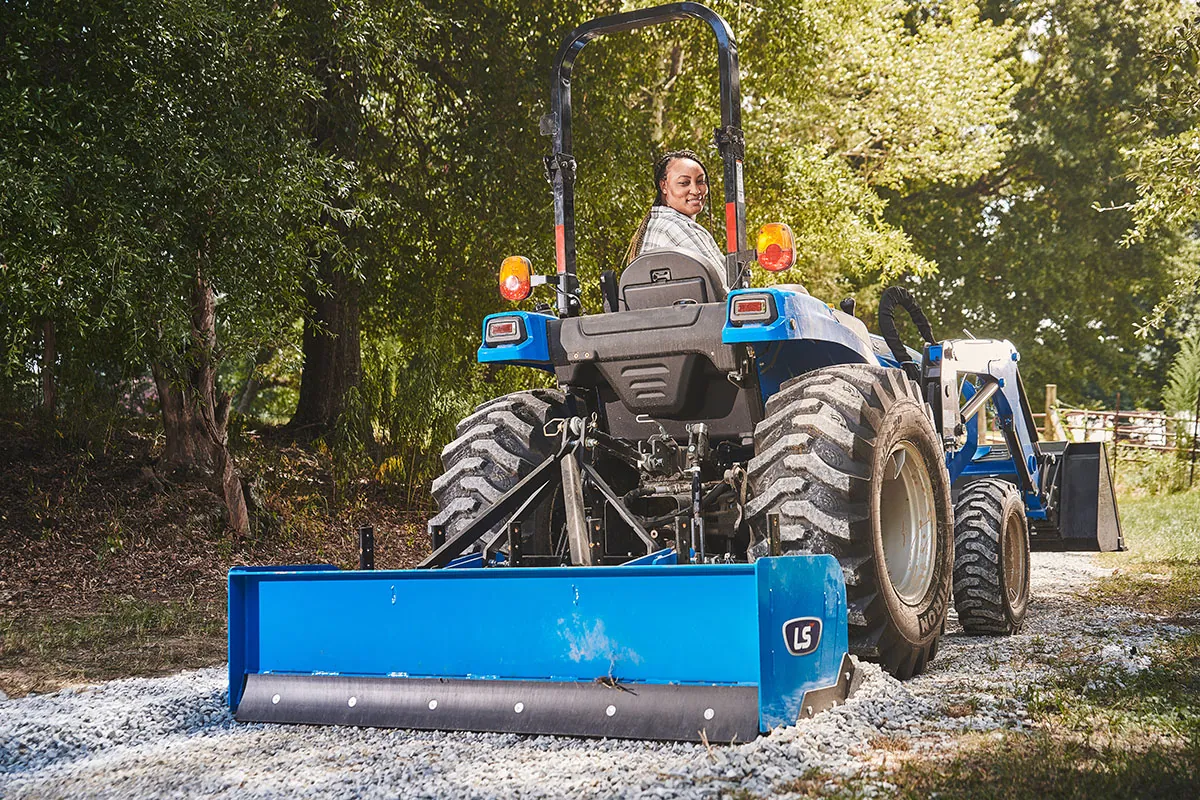
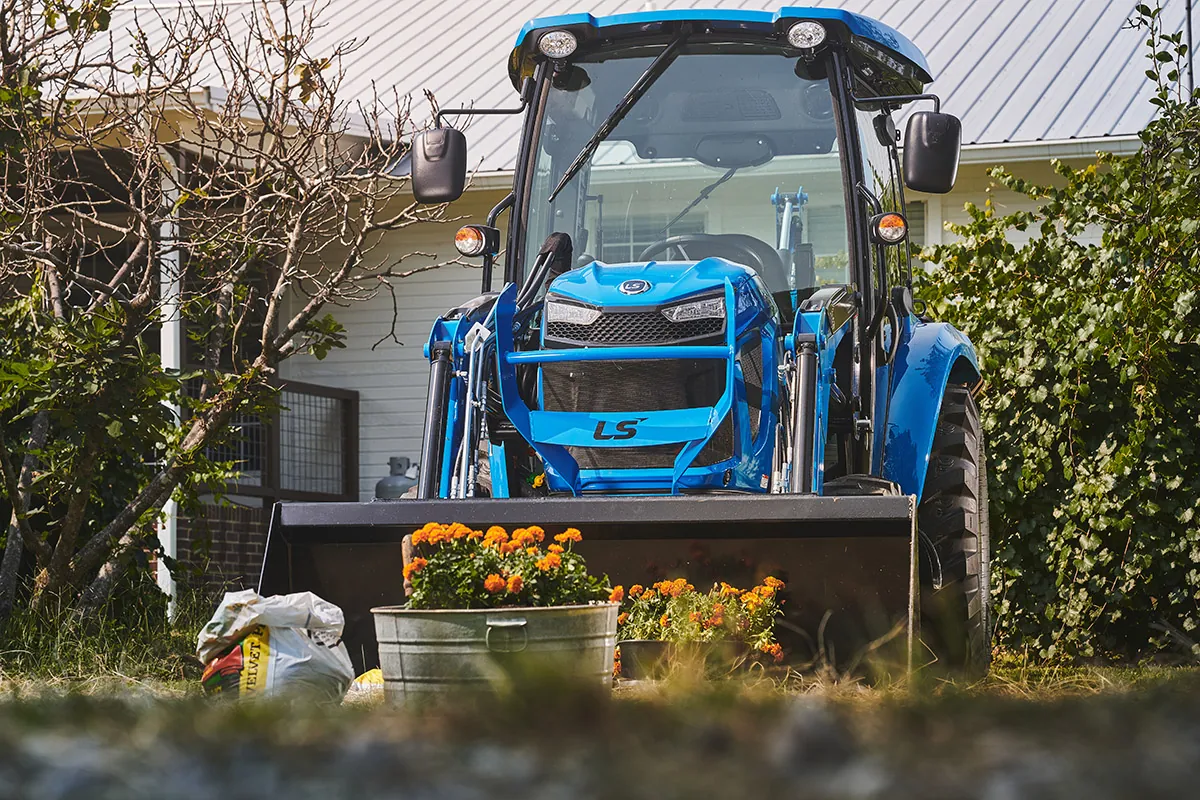
Most owners start with a front-end loader (often included), then add a rotary cutter/brush hog for land maintenance. A box blade or rear blade proves invaluable for driveway work. Beyond that, attachments depend on your specific needs - tillers, augers, grapples, or hay equipment.
Is financing a compact tractor a good idea?
Manufacturer financing often offers 0% interest promotions that make financing attractive. With typical terms of 48-72 months and tractors lasting 20+ years, the cost spreads reasonably. Ensure the payment fits your budget even if the promotional rate expires.
How do I choose between Kubota, John Deere, and other brands?
All major manufacturers produce reliable compact tractors. Key differentiators are dealer proximity and service quality, resale value (Kubota and Deere lead), specific feature preferences, and pricing. Test drive multiple brands and prioritize local dealer relationships.
What's the best time of year to buy a compact tractor?
Late fall through early winter typically offers the best deals as dealers clear inventory before year-end. Summer can also see promotions during slower sales periods. Avoid spring when demand peaks and discounts are rare.